
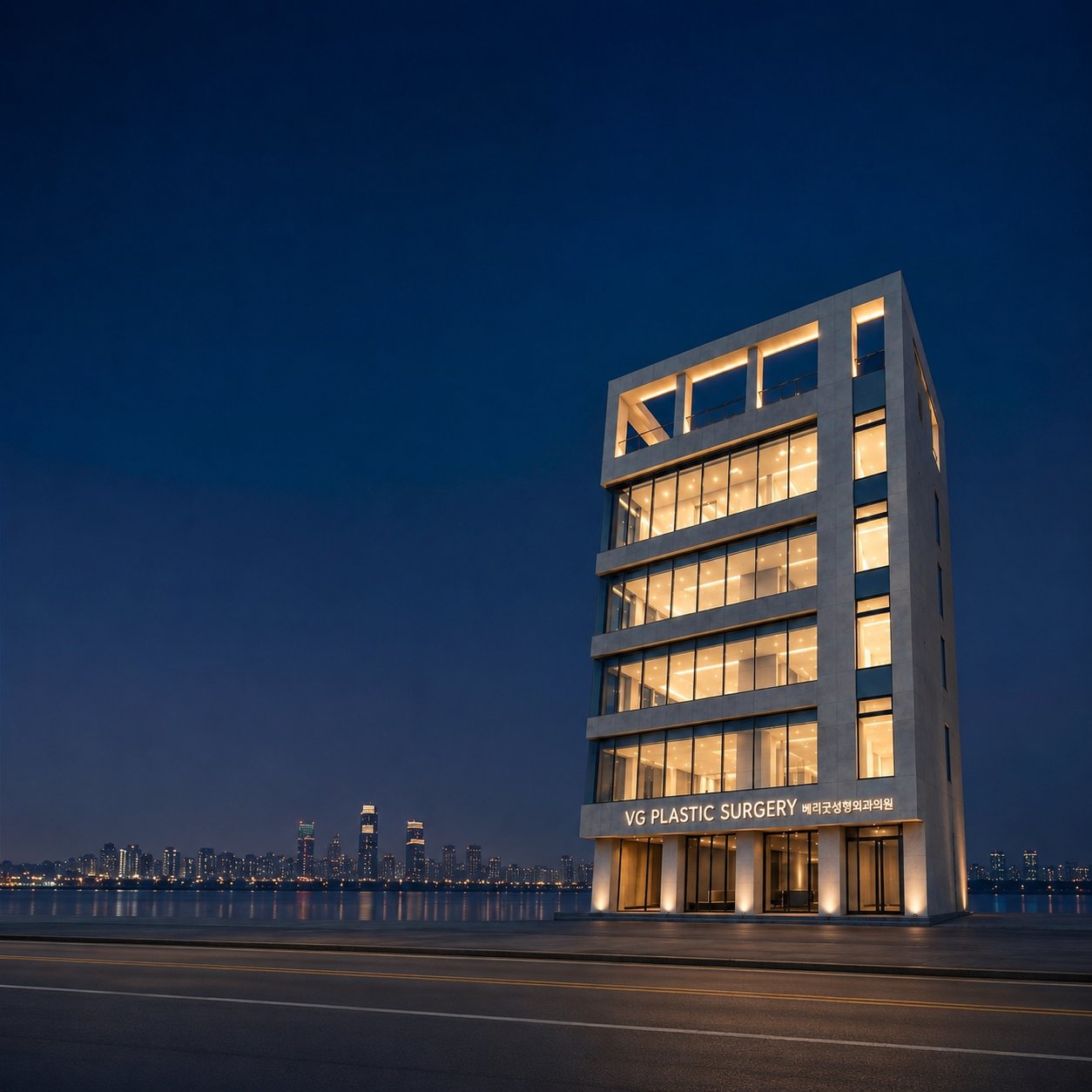
Board Certified Plastic Surgeons in Korea: What to Check
Searching for board certified plastic surgeons in Korea is a starting point, not a substitute for checking an individual surgeon’s qualifications. Confirm the surgeon’s certification status and the specialty in which they are certified, then ask who would perform your procedure. At Verygood plastic surgery, the listed services span several areas, including eye and nose surgery, facial contouring, breast surgery, and body procedures. Make sure the consultation gives you a clear understanding of the proposed treatment and the person responsible for your care.
Clarify credentials and the surgeon’s role
Certification should be discussed directly with the surgeon or medical staff. Ask whether the surgeon is board certified, what specialty the certification applies to, and who will perform each part of the procedure. A clinic’s list of services does not, on its own, confirm an individual surgeon’s credentials. Keep the distinction clear between the procedures a clinic offers and the qualifications of the person treating you.
It is also useful to ask who will assess your case, explain the treatment plan, and provide follow-up care. These questions can make the consultation more informative without assuming that every patient needs the same operation. If you are considering a revision procedure, explain what was done previously and what concerns you now. The medical staff can then discuss whether a listed service is relevant to your situation. Avoid relying on a procedure name alone: a clear conversation should cover the intended approach, your priorities, and the practical steps involved in care.
Credentials belong to individual practitioners, so ask about the surgeon who would actually perform your procedure. A service list can help you identify relevant areas to discuss, but it is not a substitute for that conversation.
Compare experience with the procedure you are considering
When reviewing a clinic, focus your questions on the specific procedure rather than on a broad category such as cosmetic surgery. Verygood plastic surgery lists procedures including rhinoplasty, revision rhinoplasty, eyelid surgery, canthoplasty, and facial contouring. Ask which option, if any, fits your goals and why. A useful consultation connects the procedure being discussed to your own concerns and medical history.
People considering nose surgery, for example, can ask about rhinoplasty options and whether a revision approach is relevant. The listed nose procedures include rhinoplasty using costal cartilage, augmentation rhinoplasty with tip plasty, osteotomy, and alar reduction. For eye concerns, the clinic lists double eyelid surgery, eye shape revision, canthoplasty, and under-eye fat transfer. These names describe available services, not a recommendation for any particular person. Ask the medical staff to explain the proposed technique in plain language, what it is intended to address, and what alternatives may be appropriate. Do not assume that a more extensive procedure is necessary simply because it appears on a service list.
Use the consultation to get clear answers
Before an appointment, write down the changes you hope to discuss and any questions about previous procedures, health conditions, or medicines. Bring relevant medical records if you have them. Clear, accurate information helps the medical staff understand your situation and discuss whether a procedure is suitable to consider. There is no need to arrive with a fixed treatment choice.
Ask for an explanation of the proposed procedure, the expected recovery process, and the follow-up plan. If a term is unfamiliar, request a plain-language explanation before making a decision. You can also ask who to contact with questions after treatment. These practical details matter alongside credentials because they help you understand what care involves, rather than focusing only on the name of an operation.
Take time to consider what you have learned after the consultation. A decision should reflect your goals, the medical advice you receive, and your understanding of the procedure and its limitations. If any part of the explanation is unclear, raise it before agreeing to treatment. A thoughtful discussion supports an informed choice; it does not require you to proceed with surgery.
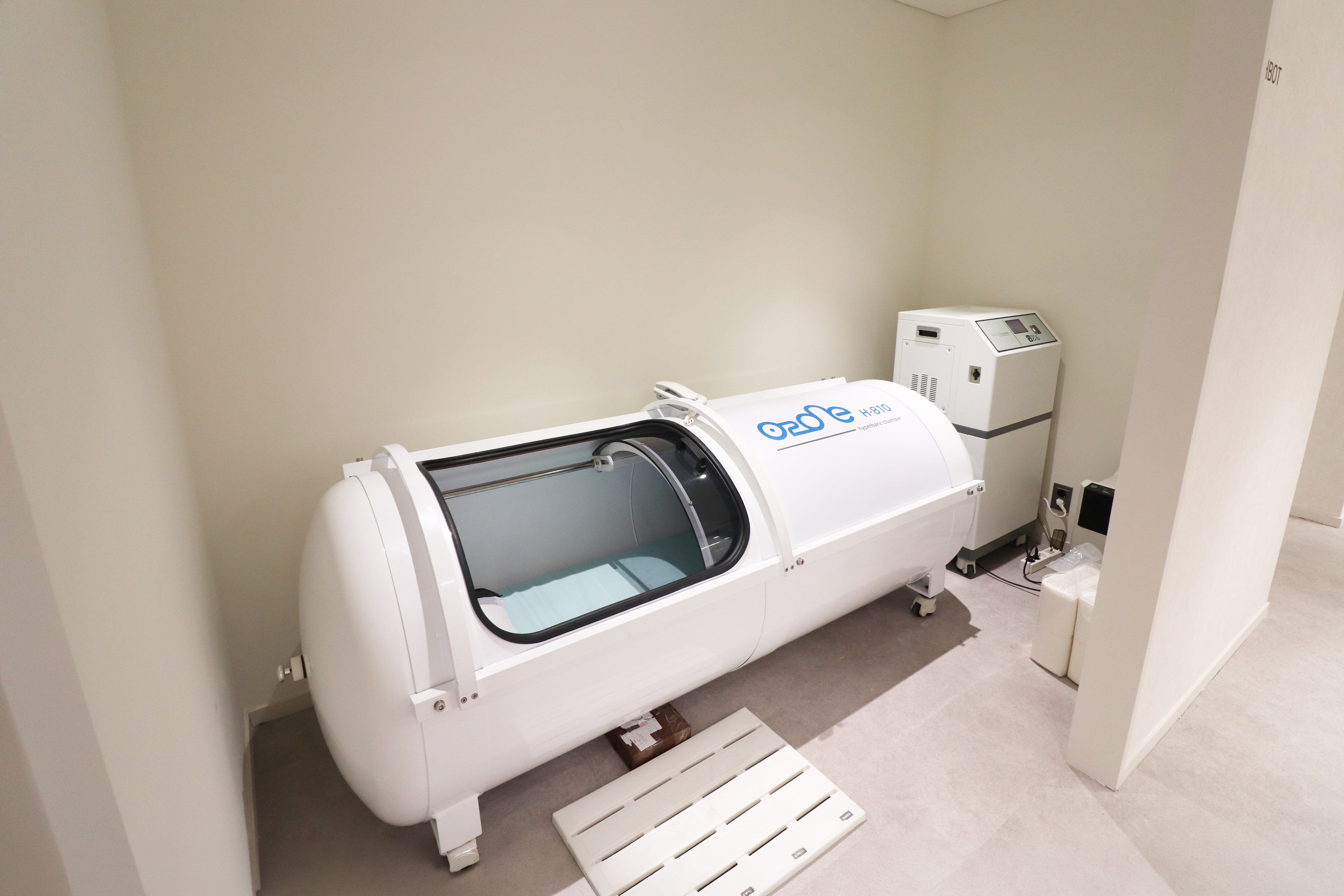
Board Certified Plastic Surgeons in Korea: Matching Procedures to Goals
Once you have checked the surgeon’s role and discussed credentials, the next step is to focus on the concern you want to address. Verygood plastic surgery lists services across eye, nose, breast, facial contouring, anti-aging, and body surgery. These categories can help organize questions for a consultation, but the right option depends on an individual assessment. Describe your priorities in specific terms and ask how the proposed procedure relates to them.
Eye and nose procedures
For eye surgery, the listed services include double eyelid surgery, eye shape revision, canthoplasty, under-eye fat transfer, and line correction. Nose services include rhinoplasty, rhinoplasty using costal cartilage, rhinoplasty for men, and corrective or revision rhinoplasty. The clinic also lists procedures such as tip plasty, osteotomy, and alar reduction. Use these names as prompts for a discussion, not as a self-diagnosis or a treatment plan.
During an eye or nose consultation, explain what you would like to address and whether you have had previous surgery. Ask the medical staff to identify the procedure being considered and describe the intended approach. For revision rhinoplasty, the clinic lists options involving self rib cartilage and donated rib cartilage. Those details can help guide questions, but they do not determine which approach is appropriate for an individual. Ask what factors inform the recommendation, what the procedure is designed to change, and what recovery and follow-up involve. The goal of the conversation is to understand the proposed care well enough to make an informed decision, rather than to select a technique based only on its name.
Procedure names are useful for narrowing down what you want to ask about, but they do not establish what is suitable for you. Share your concerns and history, then ask the medical staff to explain the proposed approach and its purpose.
Breast and facial contouring services
Verygood plastic surgery lists breast augmentation, breast reduction, nipple and areola surgery, polymastia surgery, and gynecomastia surgery. Facial contouring services include zygoma reduction, square jaw reduction, V-line chin surgery, and related procedures. Discuss the specific concern you want assessed and ask what options the medical staff considers relevant. A service being listed does not mean it is appropriate for every patient.
For facial contouring, explain which area concerns you and what change you hope to discuss. Ask how the proposed procedure addresses that area and whether other approaches should be considered. For breast surgery, clarify the procedure under discussion, the intended outcome, and the recovery and follow-up plan. These conversations should include your medical history and any previous procedures that may affect treatment planning. The service list can help you identify a relevant topic, while an individual consultation provides the opportunity to discuss your circumstances. Avoid assuming that procedures can be combined or that one option is preferable without an assessment from the medical staff.
Anti-aging and body procedures
The clinic lists anti-aging services such as facial toning, PRP micro fat graft, facial liposuction, face lifting, endoscopic forehead lift, thread lifting, and Doublo lifting. Body services include body liposuction and mini liposuction. Ask which concern each proposed service is intended to address and what the process involves. Clear explanations help you compare options without relying on a procedure name alone.
During consultation, explain whether your priority relates to facial appearance, body contouring, or another concern. Ask about the assessment, the treatment steps, and what follow-up is recommended. The listed procedures cover different areas and approaches, so it is important to understand which one is being discussed in your case. You can also ask how the medical staff will consider your goals and health information when planning care. No service description can replace an individual assessment, and a consultation is an opportunity to understand the options before deciding whether to proceed.
It may help to bring a short list of questions and to take notes during the appointment. Include any concerns about recovery, preparation, or the expected course after treatment. If the recommendation involves more than one procedure, ask why each is being proposed and whether the plan can be considered step by step. This keeps the discussion focused on your needs and helps you make a considered choice.
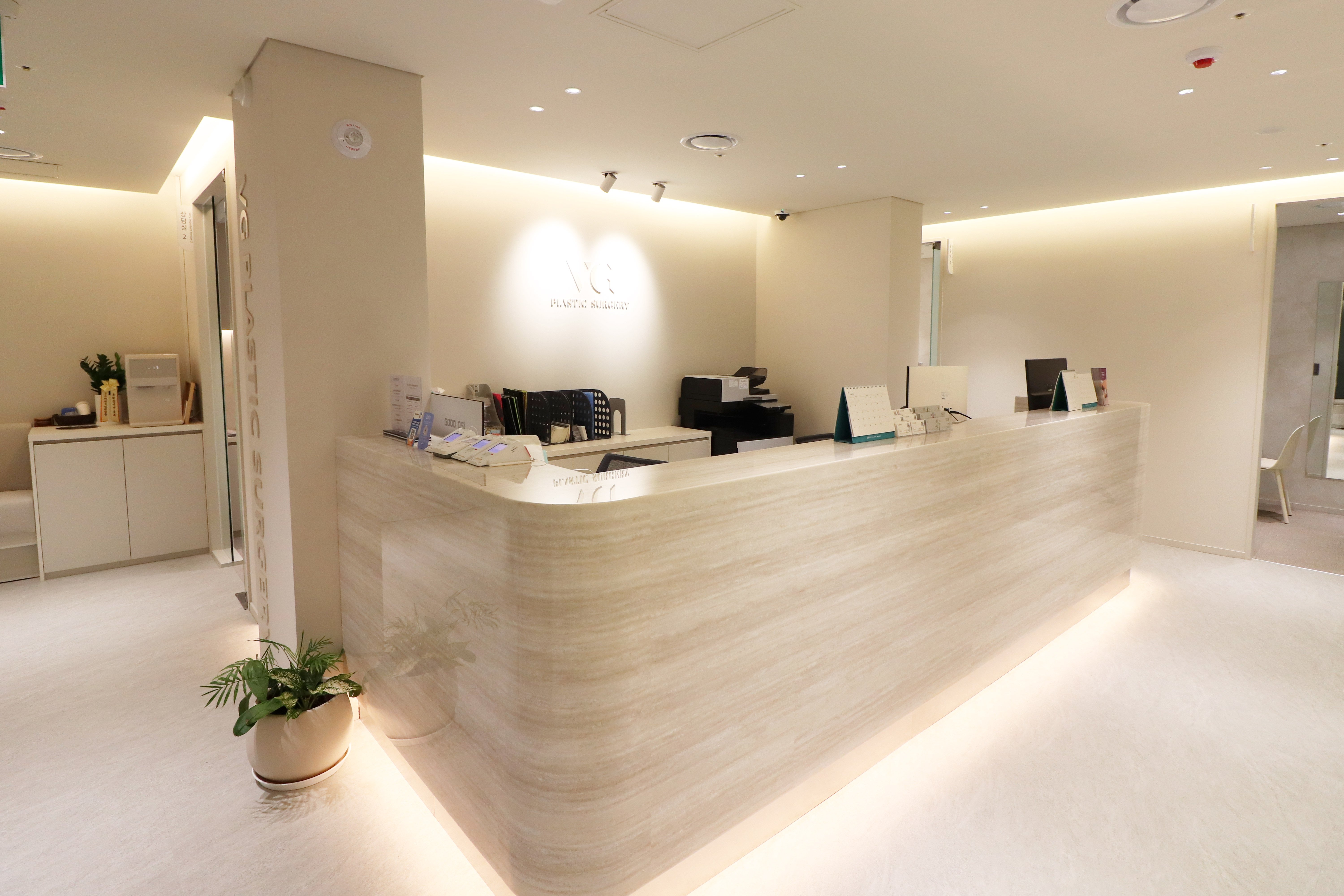
Board Certified Plastic Surgeons in Korea: Planning a Visit
Planning a visit means preparing for a focused consultation, understanding the services that may be relevant, and knowing how to contact the clinic. Verygood plastic surgery is a plastic surgery clinic at 635 Nonhyeon-ro, Gangnam-gu, Seoul, Republic of Korea. The clinic lists procedures across several areas, including eye and nose surgery. Contact the clinic directly to discuss your consultation and the procedure questions you want to raise.
Prepare information for your consultation
Before your appointment, note your main concern, the outcome you hope to discuss, and any previous procedures. Prepare a list of medicines and relevant health conditions to share with the medical staff. If you are interested in a service listed by Verygood plastic surgery, write down its name and ask whether it relates to your situation. Accurate background information helps make the conversation more specific.
You do not need to arrive with a final decision about surgery. Instead, use the visit to ask what the medical staff recommends assessing, which procedure is being considered, and why. Ask about preparation, the recovery process, and follow-up care. If you have questions about costs, request details during consultation, since no fixed pricing is listed here. For people considering revision surgery, relevant records or details about earlier treatment may help inform the discussion. Take the time you need to understand the proposed plan and raise any points that remain unclear before deciding how to proceed.
A productive visit starts with clear questions and an accurate account of your health and treatment history. Use the consultation to understand the proposed procedure, preparation, recovery, and pricing before making a decision.
Understand the scope of the clinic’s services
Verygood plastic surgery lists eye, nose, breast, anti-aging, facial contouring, and body procedures. Its service information also includes revision rhinoplasty, eyelid revision, and procedures involving fat grafting. This range can help you identify which topic to raise when arranging a consultation. The medical staff can discuss how a listed service relates to your individual concerns.
When reviewing possible treatment, focus on the details that apply to you rather than trying to compare every service. Ask which procedure is being proposed, what it is intended to address, and what the alternatives are. If the clinic discusses a technique involving cartilage, an implant, or another material, ask why that approach is being considered in your case. The clinic also identifies a safe plastic surgery system as a core feature. You can ask the medical staff to explain the safety measures relevant to the procedure you are considering. Clear answers help you understand the plan without assuming that a general service description guarantees a particular result.
Contact and practical planning
Verygood plastic surgery is located at 635 Nonhyeon-ro, Gangnam-gu, Seoul, Republic of Korea. For consultation questions, contact the clinic by phone at 02-596-9006. When you call, you can explain the service you are interested in and ask how to arrange a consultation. Confirm the appointment details directly with the clinic before visiting.
If you are travelling for care, plan your visit around the consultation and the information the clinic provides about treatment and follow-up. Ask what to bring and whether any preparation is needed for the appointment. Do not assume a procedure can be arranged or completed on the same day as an initial discussion. The medical staff can explain the process for your circumstances and answer practical questions about the next steps.
Before choosing a procedure, review what you were told about the proposed approach, recovery, and follow-up. Ask for clarification if any part of the plan is not clear. A careful decision considers both the surgeon’s qualifications and whether you understand the treatment being discussed. Use the consultation to assess whether the explanation addresses your priorities and whether you have enough information to decide what to do next.





Frequently Asked Questions
Q.What kind of place is Verygood plastic surgery?
A.Verygood plastic surgery is a plastic surgery clinic in Seoul. Its listed services include eye, nose, breast, anti-aging, facial contouring, and body procedures.
Q.Who might consider a consultation at Verygood plastic surgery?
A.People seeking to discuss procedures such as rhinoplasty, eyelid surgery, breast surgery, facial contouring, or body liposuction can contact the clinic. Suitability depends on an individual consultation.
Q.What procedures does Verygood plastic surgery offer?
A.Listed services include rhinoplasty and revision rhinoplasty, double eyelid surgery, canthoplasty, breast augmentation and reduction, facial contouring, and body liposuction. The medical staff can discuss which services may relate to your concerns.
Q.How can I prepare, and what should I know about cost?
A.Write down your concerns, previous procedures, relevant health information, and questions about recovery and follow-up. Contact the clinic to discuss pricing for the procedure you are considering.
Q.Where is Verygood plastic surgery, and how can I contact the clinic?
A.Verygood plastic surgery is at 635 Nonhyeon-ro, Gangnam-gu, Seoul, Republic of Korea. Call 02-596-9006 to ask about a consultation.
 Verygood plastic surgery