
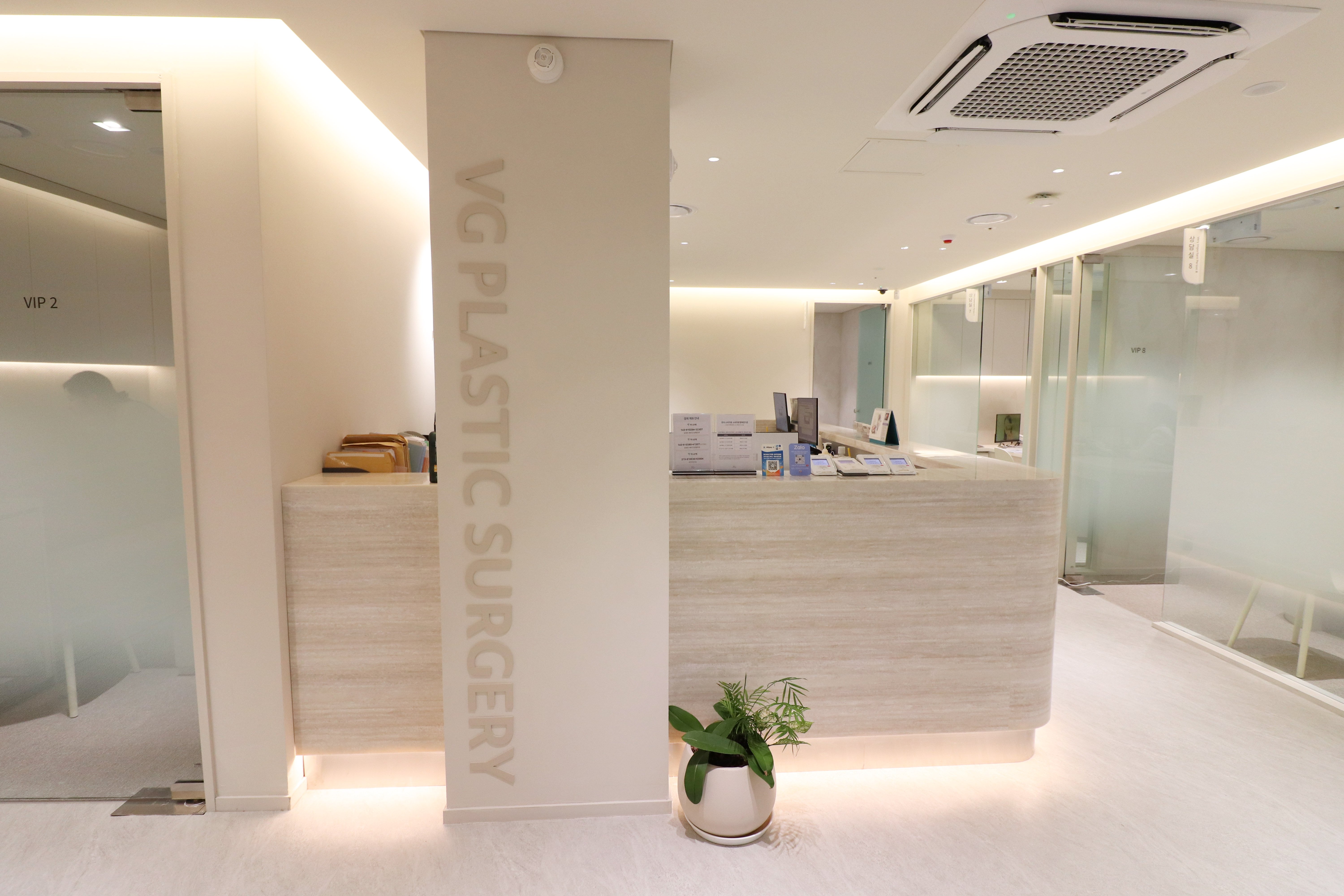
Exploring plastic surgery clinics in Gangnam-gu Seoul
Choosing a plastic surgery procedure begins with a clear understanding of the area you want to address and the options available. Verygood plastic surgery offers eye and nose surgery, breast procedures, facial contouring, anti-aging treatments, and body liposuction. Each category includes procedures with different aims, so a familiar procedure name alone is not enough to determine whether it is appropriate. A consultation is an opportunity to discuss your goals and understand which options are relevant to your circumstances.
Start with your reasons for seeking treatment
Before arranging a consultation, consider what you would like to change and why. You might be concerned about an eyelid line, the shape of your nose, facial contours, or changes associated with aging. Describing the feature in your own words can be more useful than arriving with a fixed procedure in mind. If you are considering revision surgery, be ready to explain what has already been done and which aspects you would like the attending doctor to assess.
A useful discussion goes beyond appearance alone. Tell the medical staff about relevant health conditions, medications, allergies, and previous procedures. If you have records from earlier surgery, ask whether bringing them would help the consultation. You can also explain practical concerns, such as the amount of recovery time you can arrange and whether you have commitments that could affect your plans. Your priorities help frame the discussion, but the medical assessment should guide the treatment decision. Ask the attending doctor to explain the purpose of each proposed procedure, any alternatives, and what the procedure can and cannot reasonably address. This approach helps you compare options without assuming that a more extensive procedure is necessarily the right choice.
A productive consultation starts with a specific concern rather than a predetermined operation. Discussing your goals, health history, and practical needs helps the attending doctor assess the available options.
Understand the main procedure categories
Eye procedures at Verygood plastic surgery include double eyelid surgery, canthoplasty, under-eye fat transfer, and corrective eye procedures. Nose surgery options include rhinoplasty, corrective rhinoplasty, and rhinoplasty using costal cartilage. Breast procedures include augmentation, reduction, nipple and areola surgery, surgery for extra breast tissue, and gynecomastia surgery. The clinic also offers facial contouring, lifting procedures, facial fat grafting, and body liposuction. These names describe distinct treatments rather than interchangeable approaches.
Within each category, the relevant discussion depends on the concern being assessed. Someone considering an eyelid procedure may want to ask about the proposed eyelid line and how it relates to the surrounding eye area. A person considering rhinoplasty may want to discuss the intended changes and whether previous surgery affects the plan. For breast surgery, it is useful to explain whether the concern relates to breast size, the nipple or areola, or another feature. For facial contouring or body liposuction, identify the areas you want the attending doctor to assess. Ask for an explanation tailored to your anatomy and medical history, rather than relying on a procedure label. The consultation is also the right time to ask whether a proposed treatment is surgical or non-surgical and what that distinction means for your preparation and recovery.
Prepare questions before you visit
A written list can make a consultation easier to navigate. Start with the concern that matters most, then ask how the proposed procedure addresses it. Other useful questions include what preparation is needed, what the recovery process involves, and which changes may take time to assess. If more than one treatment is discussed, ask how the options differ in their purpose and practical requirements. Take notes so you can review the answers before making a decision.
It is also reasonable to ask about the experience and responsibilities of the medical staff involved in your care. Discuss the safety measures relevant to your proposed treatment and ask how follow-up is arranged. Verygood plastic surgery describes a safe plastic surgery system as part of its approach; you can ask the medical staff what that means for the procedure you are considering. Understanding the plan is more useful than choosing on the basis of a broad safety claim.
Before committing, make sure you understand the proposed procedure, its expected recovery, and the costs discussed during consultation. Ask for clarification if a term is unfamiliar or if you are unsure whether a treatment addresses your main concern. You do not need to decide before you have had time to consider the information. A well-informed decision takes account of both the potential benefits and the limitations explained by the attending doctor.
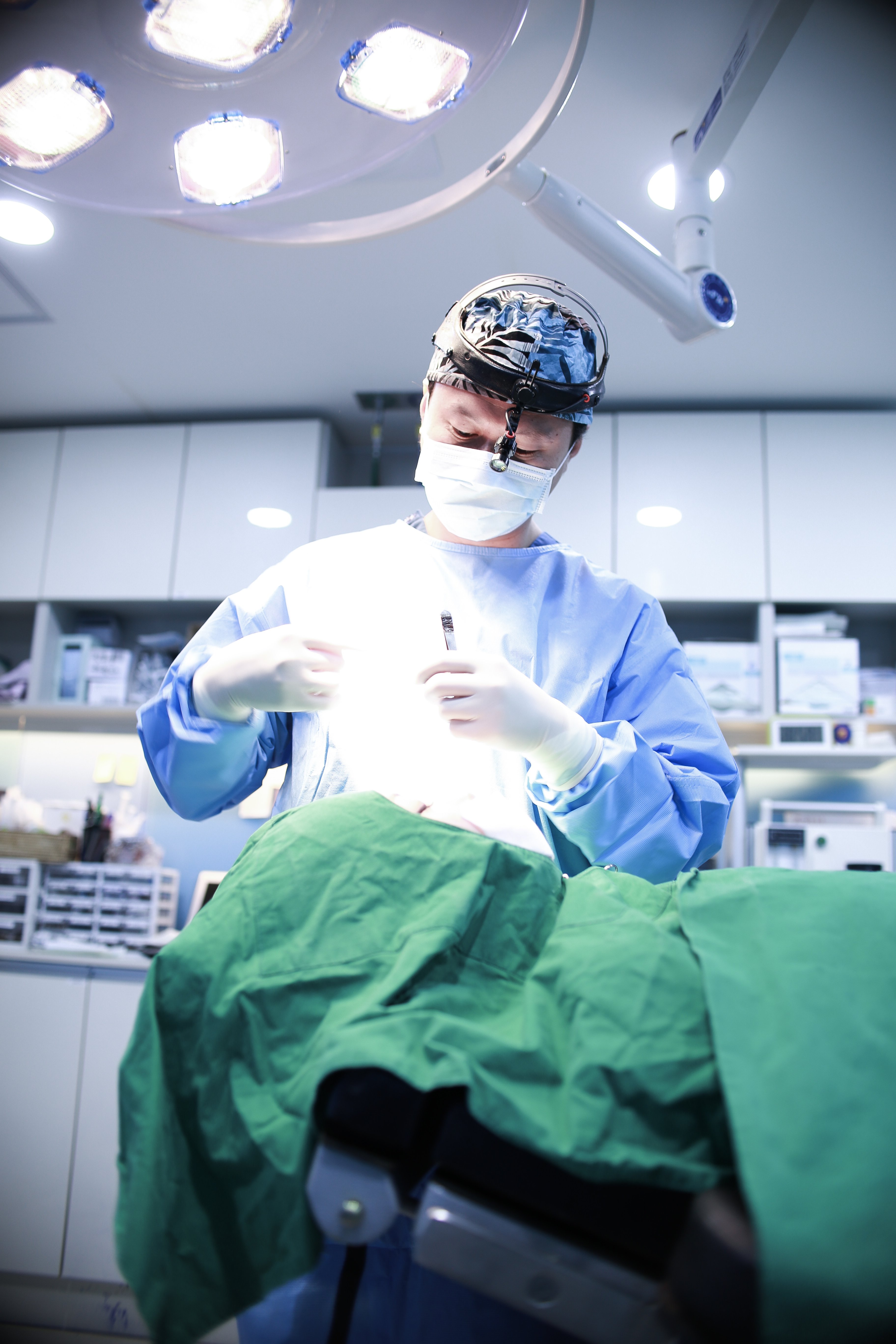
Procedure options at plastic surgery clinics in Gangnam-gu Seoul
Plastic surgery covers a wide range of procedures, from changes to the eyelids and nose to breast and body treatments. Verygood plastic surgery offers options across these areas, including procedures for patients seeking correction after earlier surgery. The starting point is an assessment of the feature or concern you want to discuss. The appropriate procedure, if any, depends on an individual medical assessment and the goals agreed during consultation.
Eye and nose procedures
For the eyes, Verygood plastic surgery offers double eyelid surgery, eye shape revision, canthoplasty, under-eye fat transfer, and eyelid line correction. These procedures address different aspects of the eye area. For example, a discussion about an eyelid line is distinct from a discussion about the area beneath the eyes. Explain which feature concerns you and ask the attending doctor how a proposed procedure relates to that concern.
Nose surgery options include rhinoplasty, rhinoplasty using costal cartilage, rhinoplasty for men, and corrective rhinoplasty. If you are considering a primary procedure, ask what changes are proposed and how the plan relates to your facial features. If you are considering correction, describe the earlier procedure as accurately as you can and identify the concerns you want assessed. Previous treatment can be an important part of the consultation, so ask whether the medical staff would like to review your records. When discussing costal cartilage, ask why it is being considered and what its use would involve in your case. Procedure names identify the general approach; the details of an individual plan should be explained by the attending doctor.
Eye and nose procedures have different purposes, even when they concern the same general area. Ask the attending doctor to connect the proposed treatment to the specific feature you want assessed.
Breast and body procedures
Verygood plastic surgery offers breast augmentation and breast reduction, as well as nipple and areola procedures, surgery for extra breast tissue, and gynecomastia surgery. The clinic also offers body liposuction and mini liposuction. These treatments address different concerns, so the consultation should begin with a clear explanation of the area you would like assessed. Ask which options are relevant and what each proposed approach involves.
For breast procedures, you may wish to discuss the change you are considering, your medical history, and any previous breast treatment. For body liposuction, identify the areas you want to discuss and ask how the proposed treatment would be planned. In either case, ask about preparation, recovery, and follow-up before deciding. It is also helpful to discuss the practical effects on your schedule, including when the attending doctor expects you to return for review and when you may resume your usual activities. The answers should reflect your individual treatment plan. Understanding the scope of a procedure helps you decide whether it matches your goals and circumstances.
Facial contouring and anti-aging options
Facial contouring procedures at Verygood plastic surgery include cheekbone reduction, square jaw reduction, chin surgery, forehead augmentation, front cheekbone surgery, and paranasal augmentation. The clinic also offers facial liposuction and micro fat grafting using platelet-rich plasma. These procedures are intended for different facial areas and concerns. During consultation, ask which features the attending doctor would assess and how any recommended procedure relates to your stated goals.
Anti-aging options include a facelift, endoscopic forehead lift, thread lifting, and ultrasound lifting. Eye surgery for middle-aged women is also among the clinic’s listed services. A consultation can clarify whether a surgical or non-surgical approach is being considered and what the proposed treatment is intended to address. Ask about the expected recovery process and when changes can reasonably be assessed; changes may take time depending on individual condition.
| Area | Examples of procedures |
|---|---|
| Eyes | Double eyelid surgery, canthoplasty, under-eye fat transfer |
| Nose | Rhinoplasty, corrective rhinoplasty, rhinoplasty using costal cartilage |
| Breasts | Augmentation, reduction, nipple and areola surgery |
| Face | Cheekbone reduction, chin surgery, facelift, thread lifting |
| Body | Body liposuction, mini liposuction |
The table is a starting point for a conversation, not a guide to selecting a procedure independently. Some concerns may call for a discussion of more than one option, while others may require a closer review of medical history or previous treatment. Ask the attending doctor to explain the objective of each suggested procedure and how it differs from the alternatives. You can also ask which parts of the plan are essential to the stated goal and which are optional.
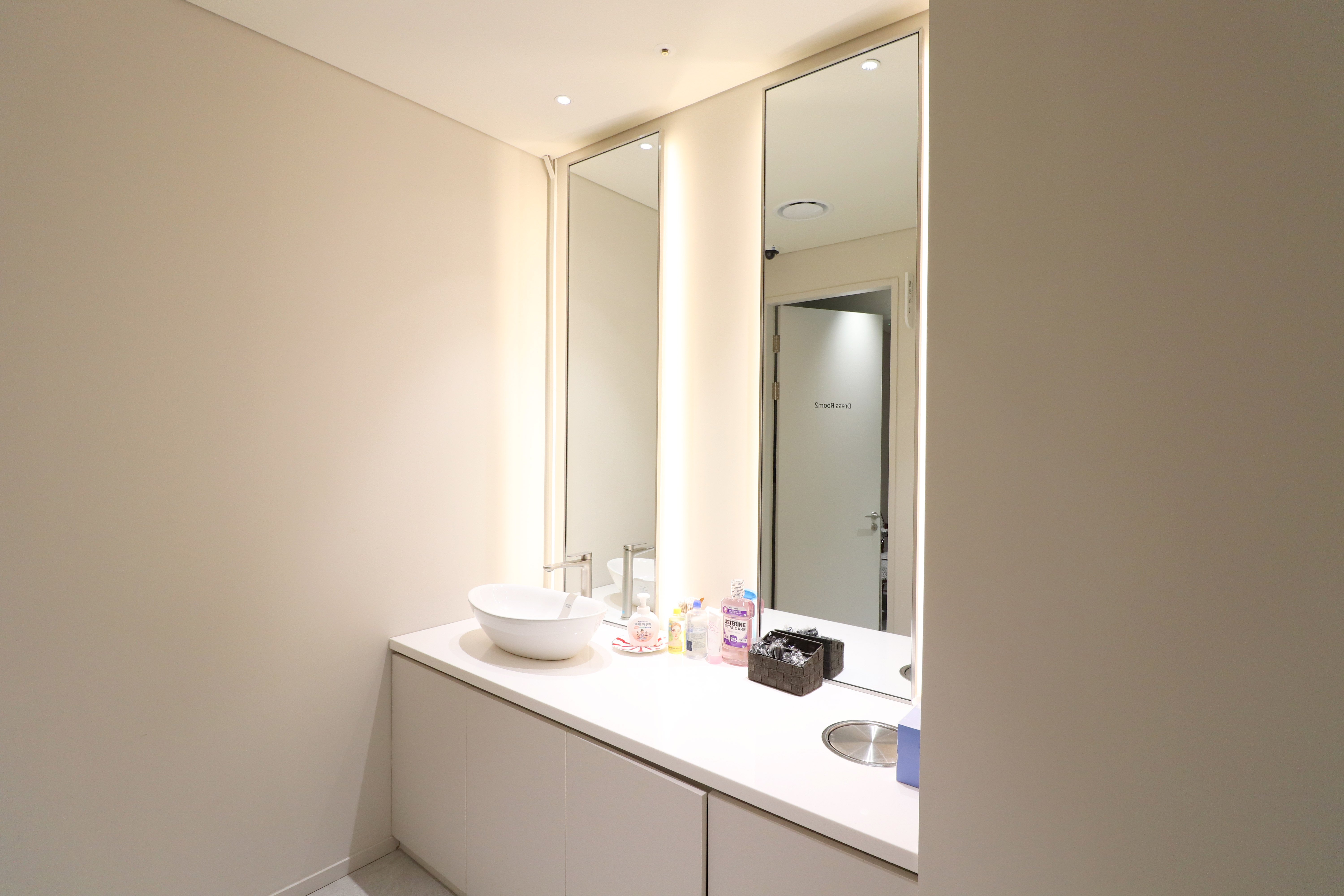
Planning care at plastic surgery clinics in Gangnam-gu Seoul
Once you have identified a concern and learned about the available procedures, the next step is to understand the proposed treatment plan. A useful plan covers preparation, the procedure itself, recovery, follow-up, and costs. Verygood plastic surgery provides consultations where you can discuss the options with the medical staff. Make sure you understand both the potential benefits and the considerations relevant to your procedure before deciding.
Discuss preparation and medical history
Tell the medical staff about your health history, including conditions, allergies, medications, and previous procedures that may be relevant. If you have undergone surgery in the area you want to discuss, explain when it took place and what you remember about it. Ask whether prior records would be useful. The attending doctor can then explain what information is needed for the assessment and what preparation is appropriate for your proposed treatment.
Preparation instructions depend on the procedure and your health, so ask for guidance tailored to your plan. Questions might include whether you need to arrange time away from work, whether someone should accompany you, and what you should bring on the day. Discuss medications and supplements with the medical staff rather than changing them on your own. If the attending doctor recommends a procedure, ask what will happen before it begins and what you should expect immediately afterward. You can also ask who to contact if a question arises before treatment. Keeping a written record of the answers makes it easier to review the plan and identify anything that needs clarification.
Preparation is specific to the procedure and the patient. Share your medical history openly and ask the attending doctor for clear instructions before making arrangements.
Points to consider before treatment
Every treatment decision involves weighing the intended benefit against the relevant risks and recovery requirements. Ask the attending doctor to explain possible complications, how concerns are assessed, and what follow-up is appropriate. The discussion should be specific to the procedure being proposed rather than limited to general assurances. It is also useful to ask what changes can reasonably be expected and how long the treated area may take to settle.
Recovery planning is part of the decision, not an afterthought. Ask about the likely course of healing, activity restrictions, and when follow-up visits may be needed. If you have work, travel, or family commitments, discuss how these could fit with the proposed schedule. Changes may take time depending on individual condition, and the attending doctor can explain when the outcome can be assessed. Ask which symptoms should prompt you to contact the medical staff and what to do if you need urgent care. A clear understanding of the recovery plan helps you prepare without assuming that every person’s experience will be the same. If you are considering revision surgery, ask how previous treatment affects the discussion and what the proposed correction is intended to address.
Review costs and make an informed decision
Discuss the cost of your proposed treatment during consultation, including what is included in the quoted amount. Ask whether the plan covers the procedure, necessary follow-up, and any other items the medical staff recommends. If multiple procedures are proposed, request a clear explanation of how each fits into the plan. This makes it easier to understand the financial commitment alongside the clinical considerations.
Before proceeding, review your notes and consider whether your questions have been answered. You should understand the proposed procedure, its purpose, the relevant risks, and the expected recovery. If something remains unclear, ask the attending doctor to explain it again in straightforward language. Take the time you need to make a decision that reflects your priorities and the medical advice you receive.
Consultation is also an opportunity to decide whether you want to explore an alternative or postpone treatment. Bring the discussion back to your original concern and ask whether the proposed plan addresses it directly. A considered decision is based on a realistic understanding of the procedure and its limitations, as well as your readiness for the preparation and recovery involved.





Frequently Asked Questions
Q.What does Verygood plastic surgery offer?
A.Verygood plastic surgery offers eye, nose, breast, facial contouring, anti-aging, and body procedures.
Q.Who might consider a consultation?
A.A consultation may be useful for someone interested in discussing an eye, nose, breast, facial, or body concern. Corrective eye and nose procedures are also offered.
Q.What eye and nose procedures are available?
A.Eye procedures include double eyelid surgery, canthoplasty, under-eye fat transfer, and eyelid line correction. Nose procedures include rhinoplasty, corrective rhinoplasty, and rhinoplasty using costal cartilage.
Q.What should I prepare before a consultation?
A.Be ready to explain your concerns, relevant medical history, medications, allergies, and any previous procedures. You can also bring questions about the proposed treatment and recovery.
Q.Where is Verygood plastic surgery, and how can I contact the clinic?
A.Verygood plastic surgery is at 635 Nonhyeon-ro, Gangnam-gu, Seoul, Republic of Korea. Call 02-596-9006 to inquire about a consultation.
 Verygood plastic surgery