
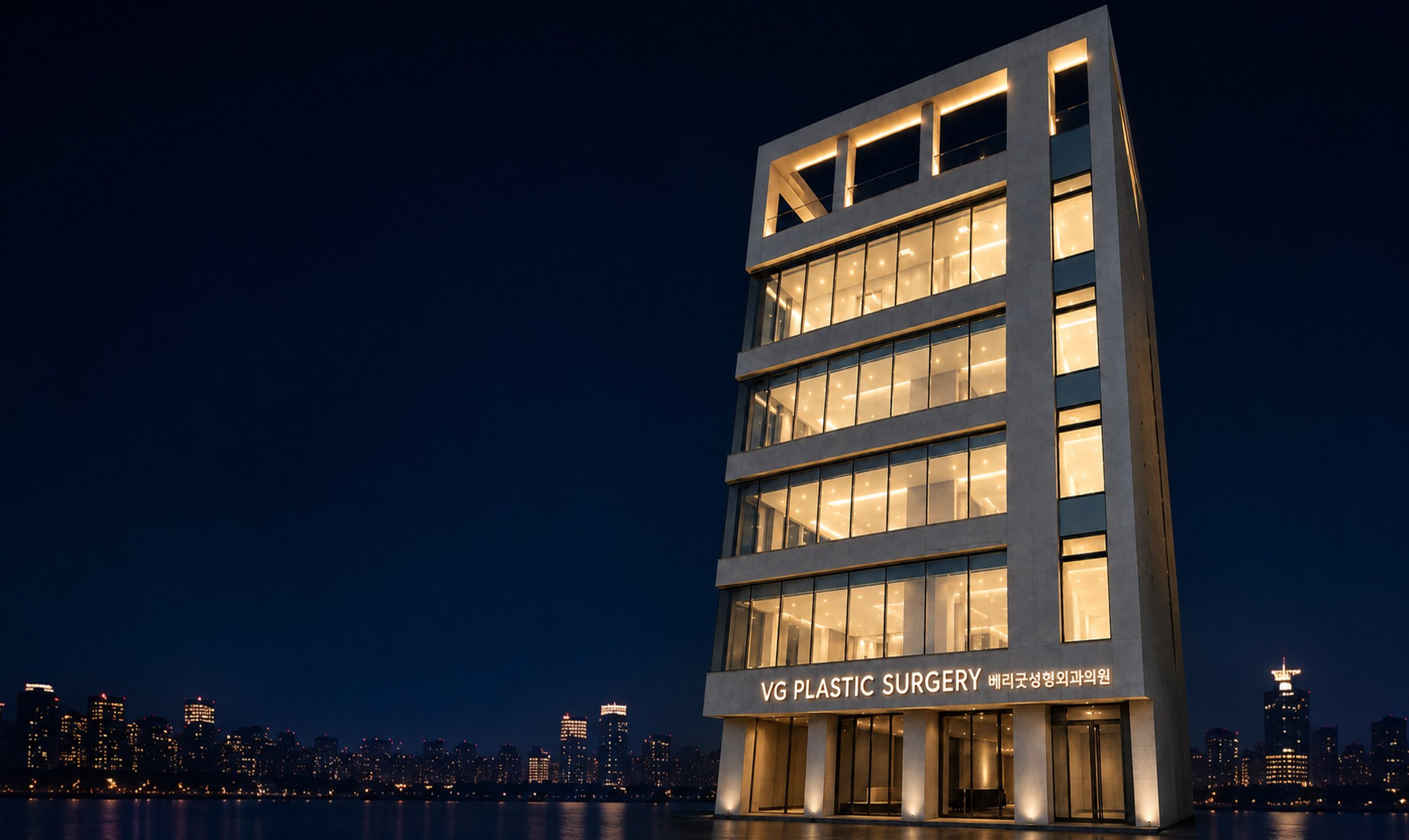
How to Compare the best rhinoplasty clinics in Korea
Searching for the best rhinoplasty clinics in Korea is a starting point, but the right choice depends on your anatomy, goals, and medical history. Begin by identifying the changes you want to discuss, whether they concern the nasal bridge, tip, or nostrils. Then ask how a proposed procedure would address those concerns. A useful consultation should connect your goals to a clear surgical plan, including its limitations and potential risks. At Verygood plastic surgery, nose surgery options include rhinoplasty, tip plasty, and revision rhinoplasty.
Start With Your Reasons for Surgery
Rhinoplasty can involve different parts of the nose, so it helps to describe your concerns in specific terms. You might want to discuss the shape of the tip, the profile of the bridge, or the appearance of the nostrils. If you have concerns about breathing, mention those as well. A clear description gives the attending doctor a basis for explaining which changes may be appropriate and which require further assessment.
Bring a short list of priorities to your consultation. For example, distinguish between a feature you would most like to change and a feature you would prefer to preserve. If you have had previous nasal surgery or an injury, explain what happened and share any records available to you. Photographs can help communicate preferences, but another person’s result should not be treated as a surgical blueprint: nasal skin, bone, cartilage, and facial proportions differ. Ask the attending doctor to explain the proposed approach in relation to your own anatomy. The aim is a shared understanding of the plan, not a promise of a particular appearance.
A helpful comparison begins with your own goals and anatomy. Ask for a plan that explains what would be changed, why the approach is being considered, and what its limits are.
Look Beyond Procedure Names
A procedure name can indicate the area or technique involved, but it does not tell you whether the operation is suitable for you. Tip plasty focuses on the nasal tip, while osteotomy involves cutting bone as part of a surgical plan. Augmentation rhinoplasty may be combined with tip plasty. Verygood plastic surgery offers these approaches, along with alar reduction and rhinoplasty for concerns involving a nasal hump or a deviated nose.
During a consultation, ask which parts of your nose the proposed operation would address. A plan involving the bridge and tip may differ from one focused on the nostrils, and the techniques selected depend on the changes being considered. If more than one procedure is proposed, ask why each is included and how it contributes to the overall plan. It is also reasonable to ask whether an alternative approach would address your main concern and what trade-offs it might involve. Understanding the purpose of each step makes it easier to evaluate the recommendation rather than choosing on the basis of a procedure label alone. The attending doctor can explain how your medical history and examination inform that recommendation.
Consider Safety and Communication
Verygood plastic surgery identifies a safe plastic surgery system as a feature of our clinic. When considering any operation, ask the medical staff how safety is addressed before, during, and after surgery. Useful topics include the assessment of your health history, anesthesia, instructions for recovery, and whom to contact if you have concerns. Request explanations in terms you understand and take time to consider them before deciding.
Clear communication also means discussing uncertainty. Ask about potential complications, the possibility that additional treatment could be needed, and how the clinic handles follow-up. A considered answer should distinguish between the intended change and what cannot be assured. You can also ask how the proposed plan takes nasal breathing into account, particularly if breathing is already a concern.
| Consultation topic | Question to ask |
|---|---|
| Surgical plan | Which areas of my nose would the proposed procedure address? |
| Medical history | How do my previous surgery, injuries, or health conditions affect the plan? |
| Safety | How are anesthesia, recovery, and follow-up handled? |
| Expectations | What are the limitations and potential risks of the proposed approach? |
Use your consultation notes to compare information rather than relying on a single impression. Look for a clear explanation of why the proposed technique fits your concerns and what the recovery process involves. If an answer is unfamiliar, ask the medical staff to explain it again. A decision about surgery should leave room for questions, reflection, and an understanding of the proposed treatment.
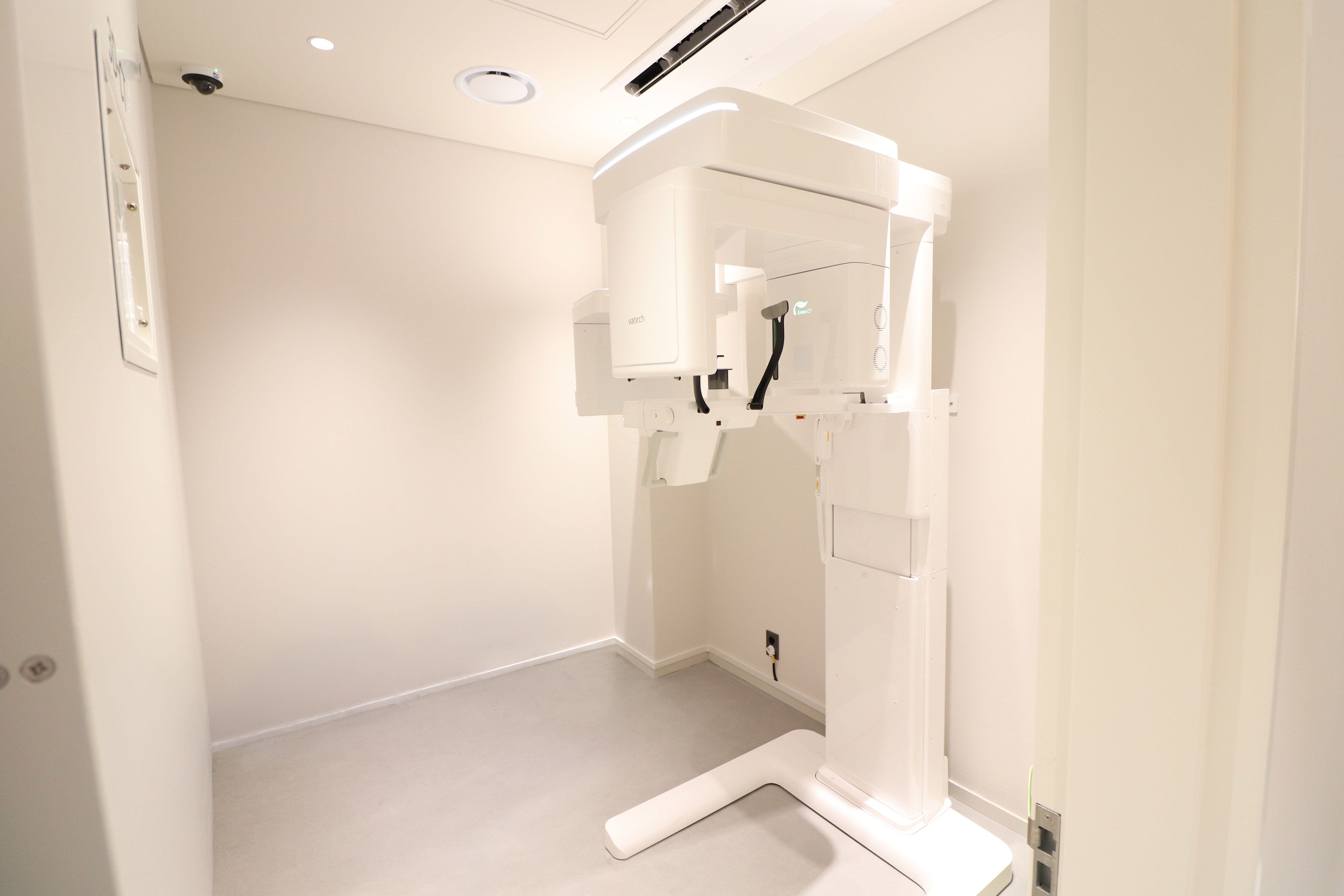
Procedures to Discuss When Searching for the best rhinoplasty clinics in Korea
Rhinoplasty is not one uniform operation. The procedure may focus on the bridge, tip, nostrils, or a combination of these areas. Verygood plastic surgery offers rhinoplasty types that include augmentation rhinoplasty combined with tip plasty, as well as osteotomy and alar reduction. Our clinic also offers rhinoplasty for men. The appropriate plan depends on an individual assessment, so use procedure descriptions as a starting point for questions rather than as a substitute for a consultation.
Bridge, Tip, and Nostril Procedures
Augmentation rhinoplasty aims to change the contour of the nasal bridge. Tip plasty addresses the tip, and the two can be combined when the proposed plan involves both areas. Osteotomy may be discussed when changes to nasal bone are part of the plan. Alar reduction concerns the outer sides of the nostrils. Each technique addresses a different area, and not every patient will need a combination of procedures.
When discussing your options, ask the attending doctor to identify the anatomical area involved and explain the intended change. For a nasal hump, for example, a consultation can address the profile of the bridge and whether bone work is being considered. For a concern about a bulbous tip, the discussion may focus on the tip and its relationship to the rest of the nose. If you are considering alar reduction, ask how the proposed change relates to your overall nasal shape and where incisions would be made. It is also useful to discuss what the procedure does not address. A precise explanation of scope helps you understand whether the plan matches the concerns you brought to the consultation.
Rhinoplasty techniques address different structures, so a procedure name alone is not enough to guide a decision. Ask which areas are involved and why each proposed step is relevant to your goals.
Rib Cartilage and Revision Rhinoplasty
Verygood plastic surgery offers rhinoplasty using rib cartilage and revision rhinoplasty. Revision approaches include procedures using a patient’s own rib cartilage or donated rib cartilage. The choice of material and technique requires an individual assessment, especially when earlier surgery has altered the nasal structures. If you are considering revision, be prepared to explain what was done previously and which concerns remain.
Previous operative records, if available, can help the attending doctor understand the earlier procedure. Explain whether your concern involves appearance, breathing, or both, and describe any changes since the original surgery. During the consultation, ask why a particular material is being considered, what it would be used for, and what other choices might be appropriate. If your own rib cartilage is proposed, ask about the additional surgical site and its care. If donated rib cartilage is discussed, ask how it fits into the proposed plan. Revision surgery requires a clear discussion of existing tissue and the limits of further changes; the earlier procedure does not, by itself, determine which approach is right for you.
Matching the Procedure to Your Priorities
Different concerns can overlap. Someone seeking a change to the bridge may also want to discuss the tip, while another person may be primarily concerned about nostril shape. A deviated appearance or breathing concern deserves a separate conversation about the structures involved. Bring up each priority, even if you are unsure whether it falls under the procedure name you have seen online.
At Verygood plastic surgery, the attending doctor can discuss the available nose surgery approaches in relation to your concerns. Ask for an explanation of the proposed sequence and whether cartilage, bone, or both would be involved. If your priorities change during the conversation, say so: a plan should reflect what you understand and want to consider.
| Procedure or approach | Area or use to discuss |
|---|---|
| Tip plasty | Changes to the nasal tip |
| Augmentation rhinoplasty with tip plasty | A combined approach to the bridge and tip |
| Osteotomy | Bone work within a surgical plan |
| Alar reduction | The outer sides of the nostrils |
| Revision rhinoplasty using rib cartilage | A revision approach involving cartilage |
These descriptions are an introduction, not a recommendation for a particular operation. The same concern can call for different discussions depending on nasal anatomy and surgical history. Ask the medical staff to explain the intended change, incision locations, material choices, and any limitations relevant to your proposed procedure. That conversation is especially important when combining techniques or considering revision surgery.

Preparing to Consult the best rhinoplasty clinics in Korea
A well-prepared consultation can make the decision process more useful. Write down your goals, relevant health information, and questions about the operation before you visit. Be ready to discuss medications, prior procedures, allergies, and any nasal breathing concerns. Do not stop or change prescribed medication without advice from the clinician who manages it. The attending doctor can then explain what information is needed to assess your suitability and plan next steps.
What to Bring and Discuss
Bring a list of medicines and supplements you take, as well as details of previous nasal surgery or injury. If you have operative records, you can share them during the consultation. Note any concerns about breathing, including when you notice them. These details give the medical staff a more complete picture than photographs or cosmetic goals alone.
Consider bringing reference photographs if they help you explain a feature you like, but remain open to a discussion of your own proportions and anatomy. You can also write down questions about the proposed technique, anesthesia, recovery, and follow-up. Ask what preparation is needed before surgery and when you would receive those instructions. If you are travelling for care, discuss how follow-up would work with your schedule and when it would be appropriate to travel after the procedure. Make sure you understand who to contact if a concern arises after surgery. A practical plan includes both the operation and the period afterward. Take notes or ask for clarification when a term or instruction is unfamiliar.
Preparation is about giving the medical staff an accurate history and leaving with a clear understanding of the plan. Include recovery and follow-up in the discussion before making a decision.
Points to Consider Before Treatment
All surgery carries risks, and rhinoplasty can involve bleeding, infection, scarring, changes in sensation, asymmetry, or breathing concerns. Anesthesia also has potential risks. The attending doctor can explain which considerations are relevant to your health and proposed operation. Ask what signs should prompt you to contact the medical staff and how any concerns would be assessed.
Recovery differs from person to person and depends on the procedure performed. Swelling and other postoperative changes can affect how the nose looks while it heals, and changes may take time depending on individual condition. Ask what to expect during recovery, which activities to avoid, and when follow-up visits are planned. If cartilage is taken from your own rib, discuss care for that area as well as the nose. It is also appropriate to ask about the possibility of an unsatisfactory result or a need for further treatment. Understanding these points is part of informed decision-making; it does not mean that a particular complication will occur.
Questions About Cost and Scheduling
The cost of rhinoplasty depends on the proposed treatment and the details of your care. Ask for a written explanation of what the quoted amount covers, including the operation, anesthesia, and follow-up, and whether any additional services would be charged separately. If revision surgery or cartilage use is being considered, ask how that affects the proposed plan and quote.
Scheduling also requires more than choosing an operation date. Discuss the time needed for assessment, the procedure, initial recovery, and follow-up. If you are visiting from outside the area, include travel and accommodation in your own planning. Ask the medical staff for instructions tailored to the treatment you are considering before making commitments that depend on a particular recovery schedule.
| Before your consultation | What to prepare |
|---|---|
| Goals | A list of the features you want to discuss |
| Health history | Details of medications, allergies, injuries, and previous surgery |
| Questions | Topics covering technique, risks, recovery, and follow-up |
| Travel planning | Your intended travel schedule and follow-up needs |
Once you have discussed the plan, review your notes and consider whether your questions have been answered. You do not need to decide on surgery during the first conversation. If you need clarification about the technique, recovery instructions, or what is included in a quote, ask before proceeding. A clear understanding of the proposed care is an important part of choosing a clinic and a treatment plan.




Frequently Asked Questions
Q.What kind of care does Verygood plastic surgery offer?
A.Verygood plastic surgery is a plastic surgery clinic offering nose surgery, including rhinoplasty and revision rhinoplasty. Our clinic also offers procedures for the eyes, face, breasts, and body.
Q.Who might consider a rhinoplasty consultation?
A.A consultation may be useful for someone who wants to discuss the shape of the nasal bridge, tip, or nostrils, or concerns following previous nasal surgery. Mention breathing concerns during the consultation as well.
Q.What nose surgery procedures are available?
A.Verygood plastic surgery offers tip plasty, augmentation rhinoplasty with tip plasty, osteotomy, alar reduction, and revision rhinoplasty. Rhinoplasty using rib cartilage is also offered.
Q.What should I prepare before a consultation?
A.Bring a list of your goals, medications, allergies, and previous nasal procedures or injuries. If you have records from earlier nasal surgery, bring those too.
Q.Where is Verygood plastic surgery, and how can I contact the clinic?
A.Verygood plastic surgery is at 635 Nonhyeon-ro, Gangnam-gu, Seoul, Republic of Korea. The phone number is 02-596-9006.
 Verygood plastic surgery