
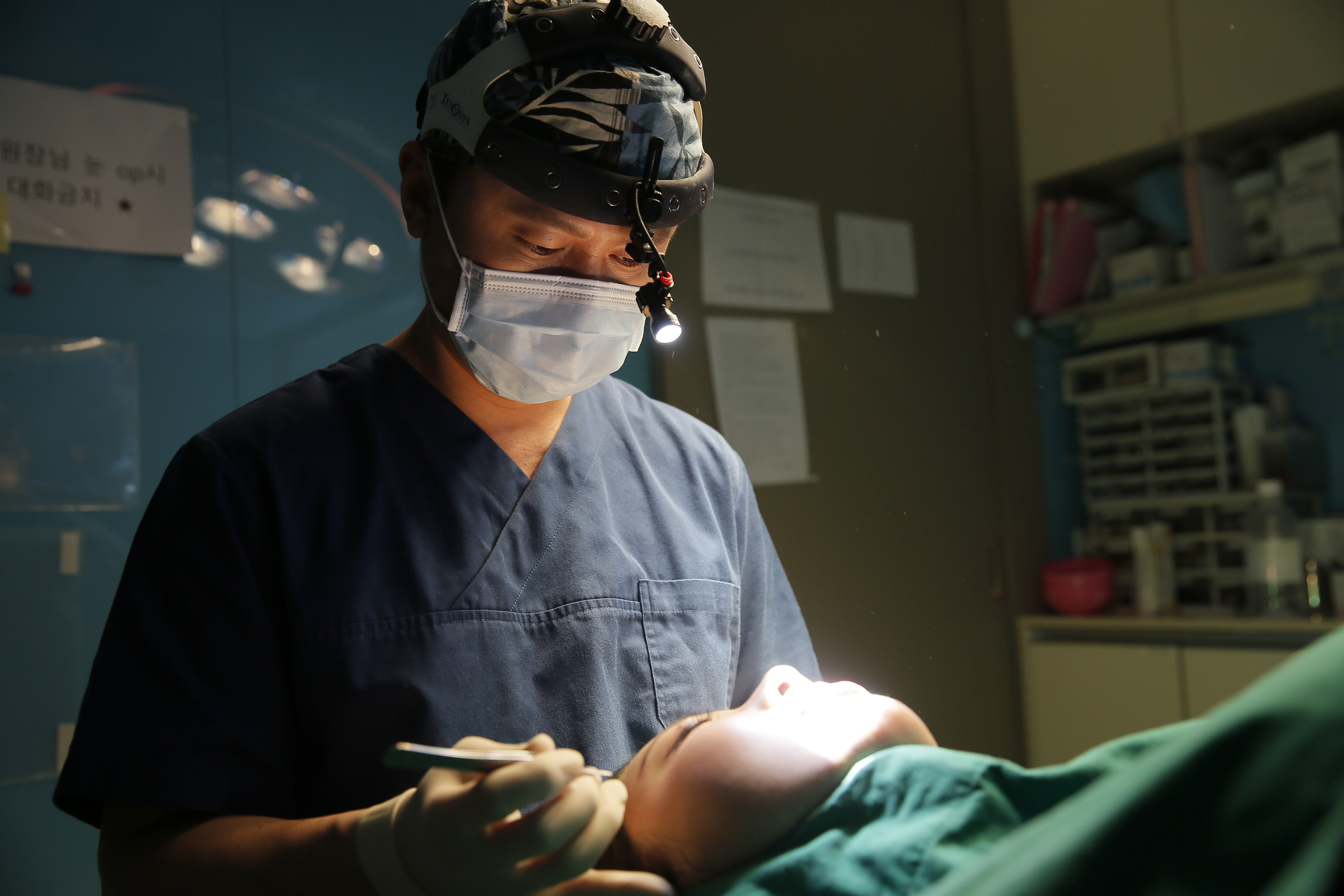
How to Compare international patient plastic surgery clinics in Gangnam
International patients often need to make decisions before arriving in Seoul, so a useful comparison starts with clear information rather than promotional photographs. Consider whether a clinic offers the procedure you are seeking, how the medical staff will assess your needs, and what support you will need during recovery. A consultation should help you understand the proposed procedure, its alternatives, and the practical requirements of care. Verygood plastic surgery offers plastic surgery procedures across several areas, including the eyes, nose, breasts, face, and body.
Start With Your Treatment Goals
Describe the feature or concern you want to discuss without assuming that a particular procedure is necessary. For example, someone interested in eyelid surgery might want to discuss eyelid shape, while a person considering nose surgery may be focused on the bridge, tip, or a previous result. These goals call for different assessments. Bring a concise description of your priorities, including anything you want to preserve, so the attending doctor can explain which options are relevant to your circumstances.
It is also useful to distinguish your desired appearance from the technique used to pursue it. A procedure name alone does not explain where incisions are made, whether tissue is added or reshaped, or how recovery may affect your plans. Ask the medical staff to describe the proposed approach in plain language and explain why it is appropriate for you. If you have undergone a previous procedure, share the details you know, including any records that could help the assessment. Prior treatment can influence the discussion, but the right approach depends on an individual examination. Take time to consider the explanation before deciding whether to proceed.
A productive consultation begins with your goals, not a procedure name. Ask for an explanation of the proposed approach and how it relates to your individual circumstances.
Assess the Consultation Process
Before scheduling treatment, ask how the clinic assesses patients and when you will be able to speak with the attending doctor. A useful consultation covers your medical history, the procedure being considered, possible risks, and the expected recovery process. If you prefer to communicate in a language other than English, ask what language assistance can be arranged. Do not assume interpretation is included; clear communication is important when discussing consent and postoperative instructions.
Prepare questions that require specific answers. You might ask what the procedure involves, whether more than one approach is appropriate, and what findings could change the recommendation. Discuss current medications, allergies, health conditions, and previous operations with the medical staff. If a proposed plan includes more than one procedure, ask how the procedures relate to one another and what the combined recovery would involve. You should also know whom to contact if a concern arises after treatment, particularly if you expect to return home soon afterward. A clear explanation does not replace your own decision-making; it gives you a basis for weighing the options.
Review Safety and Follow-Up Arrangements
Verygood plastic surgery identifies a Safe Plastic Surgery System as part of its approach. When discussing a procedure, ask the medical staff what that system includes for your care. Relevant questions can cover the planned anesthesia, monitoring, emergency arrangements, and instructions for responding to complications. The answers should be specific to the procedure and your health history. A safety discussion is most useful when it explains what happens before, during, and after treatment.
Follow-up deserves attention before you book travel. Ask how postoperative checks are scheduled, what symptoms should prompt a call, and how the clinic handles questions after an international patient returns home. If in-person care is needed after departure, discuss how to arrange it locally. Recovery plans differ by procedure and patient, so avoid setting a departure date solely on the basis of someone else’s experience. Make sure you understand the instructions before agreeing to the proposed schedule.
| Consultation topic | Question to ask |
|---|---|
| Treatment plan | What procedure are you recommending, and why? |
| Communication | What language assistance can be arranged? |
| Safety | How will anesthesia and monitoring be handled? |
| Follow-up | How should I contact the clinic after returning home? |
Use these questions to compare the clarity of each consultation, not to assume that every patient needs the same plan. Write down the answers and review them alongside your travel commitments and personal priorities. If an explanation is unfamiliar, ask the medical staff to define the term or describe the steps again. Informed consent depends on understanding the proposed care, including its limitations and risks, rather than simply agreeing to a procedure name.
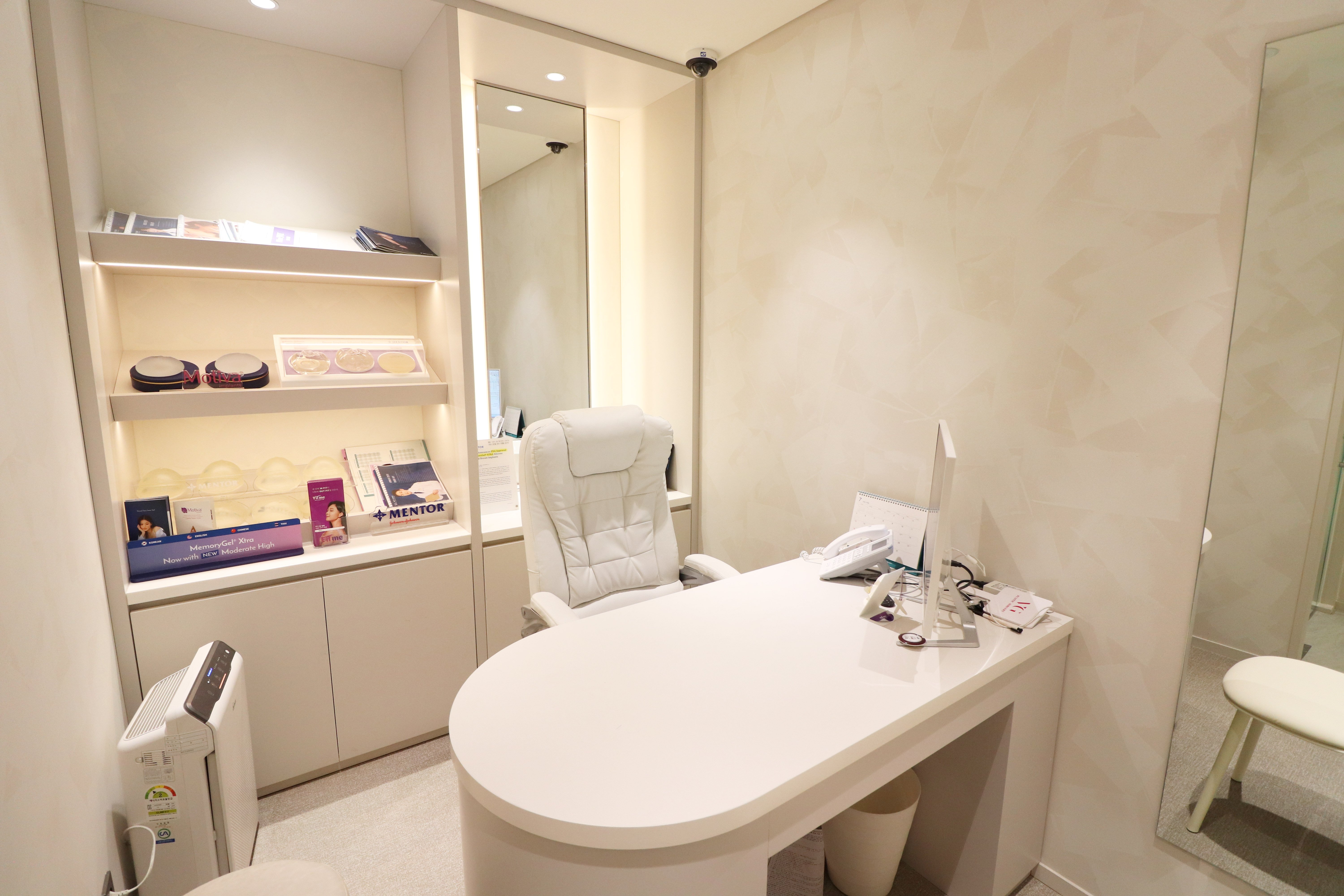
Procedures at international patient plastic surgery clinics in Gangnam
Procedure availability is an important starting point, but it should not determine the treatment on its own. Verygood plastic surgery offers eye and nose surgery, breast procedures, facial contouring, facial rejuvenation, and body liposuction. Each category includes different techniques intended to address different concerns. The medical staff can assess which procedure, if any, fits your goals and health history. Ask for a description of the specific technique under consideration rather than relying on a broad category such as “eye surgery” or “facial contouring.”
Eye and Nose Surgery
Eye procedures at Verygood plastic surgery include double eyelid surgery, canthoplasty, under-eye fat transfer, and corrective eyelid surgery. The listed techniques also include nonincisional ptosis correction and natural adhesion. Nose procedures include rhinoplasty, tip plasty, alar reduction, and revision rhinoplasty. Costal cartilage, also known as rib cartilage, is among the materials listed for rhinoplasty. These names describe distinct approaches, so ask what each proposed procedure would address and how it would be performed.
For eyelid surgery, a consultation can clarify whether the discussion concerns the eyelid crease, eye shape, eyelid position, or correction of a previous procedure. For rhinoplasty, ask whether the plan involves the bridge, tip, nostrils, or another part of the nose. Some approaches may involve an osteotomy, a surgical cut in bone; others may involve cartilage. If revision surgery is being considered, explain what was done previously and what concerns remain. Revision describes surgery after an earlier procedure, but it does not imply that a particular outcome is assured. The attending doctor should explain the proposed technique, relevant risks, and expected care after surgery.
Eye and nose procedures are not interchangeable, even when their names sound similar. Ask the attending doctor to connect each proposed technique to the concern you want to address.
Breast, Facial, and Body Procedures
Breast procedures at Verygood plastic surgery include augmentation, reduction, nipple and areola surgery, and surgery for gynecomastia. Facial contouring options include cheekbone reduction, square jaw reduction, and chin surgery. The clinic also lists facial liposuction, fat grafting, face lifting, and an endoscopic forehead lift. Body procedures include liposuction and mini liposuction. Each procedure has its own considerations, so a treatment plan should explain the intended area and technique.
When discussing breast surgery, ask the medical staff what the recommended procedure involves and what follow-up it requires. For facial contouring, ask which structures would be treated and how the proposed changes relate to your priorities. If you are considering fat grafting or liposuction, clarify where fat would be removed and, when relevant, where it would be transferred. For lifting procedures, ask how the proposed approach differs from the alternatives discussed during your consultation. No procedure should be chosen on its name alone. An individual assessment is needed to determine suitability and to discuss possible complications, scarring, recovery, and the limits of what surgery can achieve.
Points to Consider Before Treatment
All surgery involves risks, and the relevant risks depend on the procedure and the individual. Ask about anesthesia, bleeding, infection, scarring, and any procedure-specific concerns the attending doctor considers important. Discuss your health history openly, including previous surgery and medications. If you are considering a revision, ask how existing tissue or earlier treatment may affect the plan. Understanding these points helps you make a decision with a realistic view of both the intended change and the uncertainty involved.
Recovery also deserves a procedure-specific discussion. Ask what activities you may need to avoid, what postoperative visits are expected, and when it may be appropriate to travel. Changes may take time depending on individual condition, and the appearance immediately after surgery is not necessarily the final appearance. Ask the medical staff how healing will be monitored and which symptoms require prompt attention. If you are weighing multiple procedures, discuss how combining them could affect the care plan.
| Procedure area | Examples offered by Verygood plastic surgery |
|---|---|
| Eyes | Double eyelid surgery, canthoplasty, under-eye fat transfer |
| Nose | Rhinoplasty, tip plasty, revision rhinoplasty |
| Breasts | Augmentation, reduction, nipple and areola surgery |
| Face | Cheekbone reduction, fat grafting, face lifting |
| Body | Liposuction and mini liposuction |
The procedure examples above can help you prepare questions, but they are not a recommendation for treatment. During consultation, ask the medical staff to explain the proposed procedure in relation to your anatomy, medical history, and goals. You can also ask whether a different approach or no surgery should be considered. A clear discussion of alternatives and limitations is an important part of deciding whether the proposed plan is right for you.
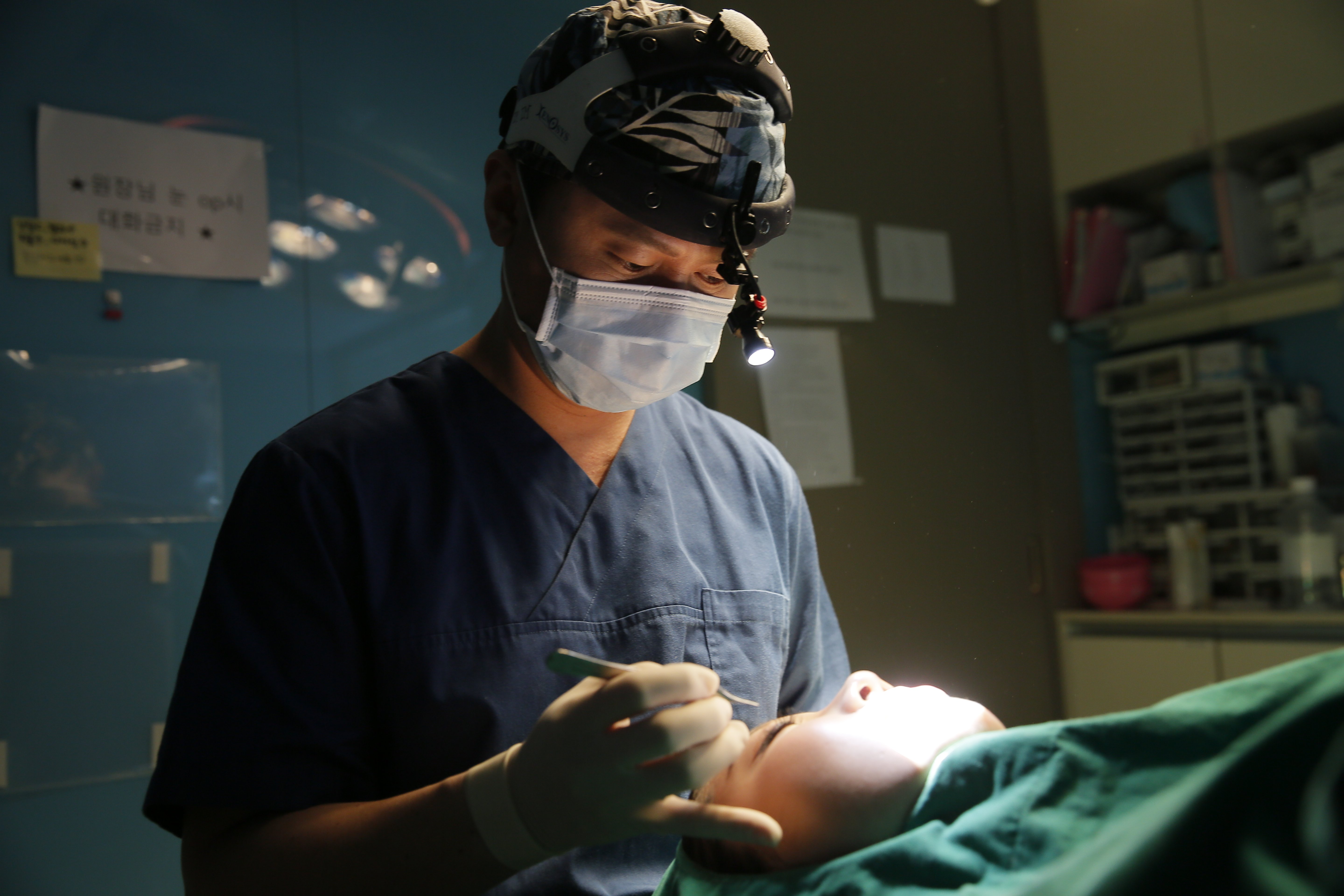
Planning Your Visit to international patient plastic surgery clinics in Gangnam
Travel planning should leave room for consultation, treatment if appropriate, and any recommended follow-up. Before making arrangements that are difficult to change, discuss the proposed schedule with the medical staff. Ask what preparation is needed, whether a companion is advisable, and how postoperative care will be handled. Your travel dates should be guided by the procedure and your individual recovery plan, rather than by a fixed assumption about how quickly you will be ready to leave.
Prepare for Your Consultation
Bring a list of your questions and a summary of your medical history. Include medications, allergies, relevant health conditions, and details of previous procedures. If you have records from earlier surgery, ask whether the medical staff would find them useful. You may also want to note your preferred language and ask how communication will work throughout the visit. These preparations can help you discuss your goals and understand the recommendations without relying on memory alone.
Consider which questions matter most to you before the appointment. You might want to know how a procedure is performed, what type of anesthesia is planned, or what postoperative care is required. If you have reference images, use them to communicate a preference rather than as a promise of a particular result. Ask the attending doctor to explain what is realistic for your individual features and what uncertainties remain. It can also help to write down the proposed procedure and any alternatives so you can review them afterward. You do not need to make a treatment decision before you understand the plan. Take the time needed to consider the information and ask follow-up questions.
Good preparation makes a consultation more useful: bring your medical history, your priorities, and your questions. Leave enough time to understand the plan before committing to treatment or travel dates.
Discuss Costs and Scheduling
Before agreeing to treatment, ask for a clear explanation of the proposed costs and what they cover. Discuss whether the estimate includes anesthesia, postoperative visits, medication, or other elements of the planned care. If the treatment plan changes after assessment, ask how that would affect the estimate. Costs depend on the proposed procedure and individual circumstances, so request an estimate that matches your own plan rather than relying on an unrelated example.
Scheduling questions are equally important for international patients. Ask when the consultation and any recommended follow-up appointments would take place, and whether the medical staff anticipate any restrictions on travel or daily activities. Avoid assuming that a procedure can be completed within a particular itinerary before your assessment. If you need to coordinate work, accommodation, or support from a companion, explain those constraints during the consultation. Ask what would happen if recovery required additional attention before departure. Understanding these practical details can help you make arrangements that are flexible enough for your care. Keep a copy of the treatment plan and postoperative instructions in a form you can refer to during your stay and after returning home.
Plan for Care After Your Visit
Before leaving the clinic, make sure you understand the instructions for caring for the treated area, taking any prescribed medication, and attending follow-up appointments. Ask which changes are expected during recovery and which symptoms require prompt medical attention. If instructions are unclear, request an explanation in language you understand. A written copy can be useful when you are managing travel and recovery at the same time.
Discuss your departure plans with the medical staff and ask how to contact Verygood plastic surgery with postoperative questions. You can also consider how you would obtain medical care near home if an in-person assessment became necessary after travel. Keep relevant records and instructions accessible. Postoperative planning is part of the treatment decision, not an afterthought: the appropriate arrangements depend on the procedure performed and your individual condition.
| Stage | Practical preparation |
|---|---|
| Before consultation | Prepare medical history, prior procedure details, and questions. |
| Before treatment | Review the proposed procedure, costs, risks, and schedule. |
| Before departure | Understand follow-up instructions and how to raise concerns. |
Choosing a clinic is ultimately a decision about the proposed care and your ability to follow the recovery plan. Compare the information you receive, ask for clarification when needed, and allow yourself time to decide. At Verygood plastic surgery, you can discuss the relevant procedure with the medical staff and ask how consultation, treatment, and follow-up would fit your circumstances. A well-informed plan begins with questions that are specific to you.





Frequently Asked Questions
Q.What does Verygood plastic surgery offer?
A.Verygood plastic surgery offers plastic surgery procedures for the eyes, nose, breasts, face, and body.
Q.Who might consider a consultation?
A.A consultation may be useful if you are considering a procedure for your eyes, nose, breasts, face, or body, or want to discuss corrective surgery after an earlier procedure.
Q.What eye and nose procedures are available?
A.Eye procedures include double eyelid surgery, canthoplasty, and under-eye fat transfer. Nose procedures include rhinoplasty, tip plasty, and revision rhinoplasty.
Q.What should I prepare before a consultation?
A.Prepare a summary of your medical history, medications, allergies, and any previous procedures, along with questions about your treatment goals.
Q.Where is Verygood plastic surgery, and how can I contact the clinic?
A.Verygood plastic surgery is at 635 Nonhyeon-ro, Gangnam-gu, Seoul, Republic of Korea. The phone number is 02-596-9006.
 Verygood plastic surgery