
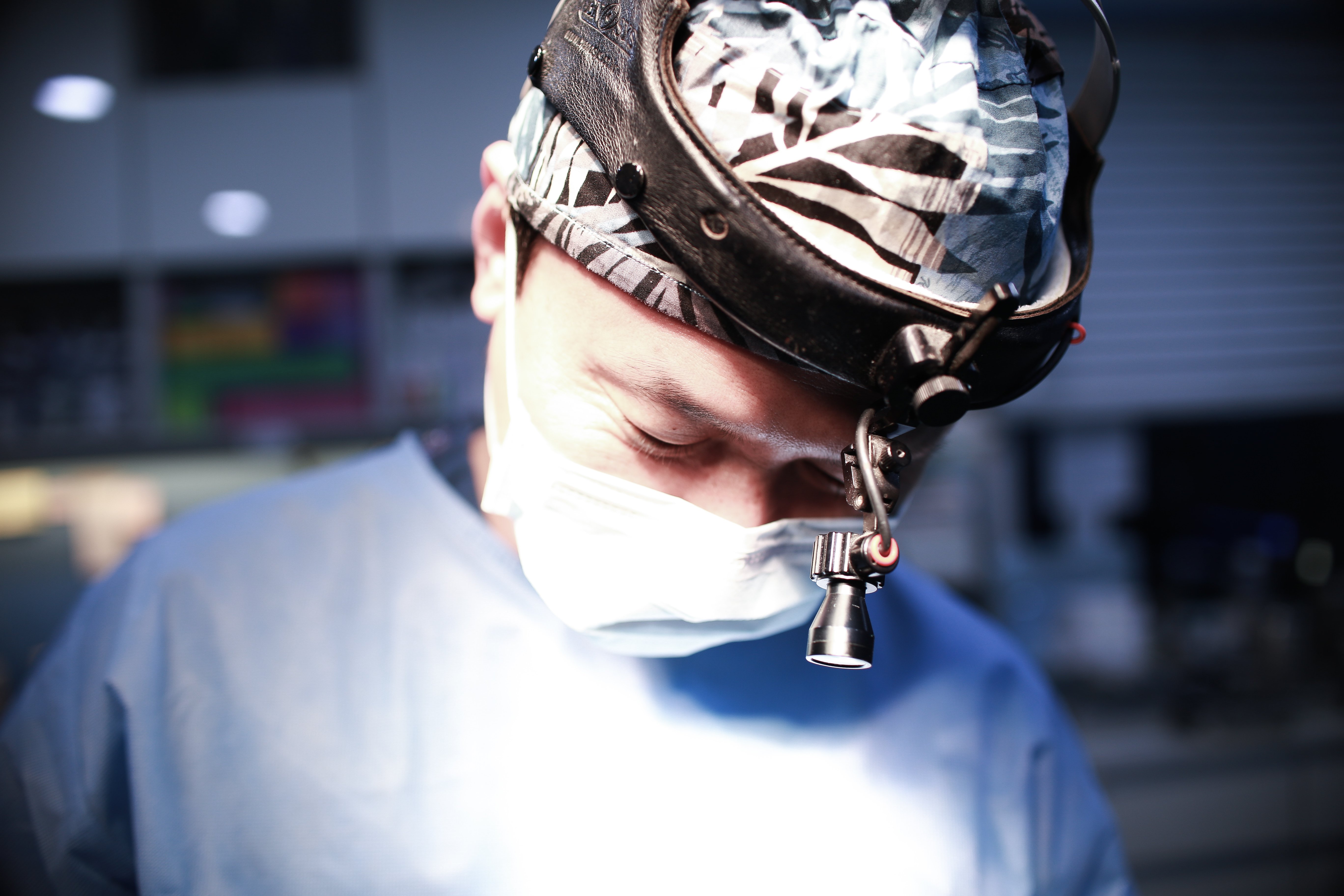
Finding the best rhinoplasty clinics in Korea: understanding the services
People searching for the best rhinoplasty clinics in Korea often want to understand more than the appearance of a surgical result. The procedures offered, the materials used and the approach to planning are important considerations. Verygood plastic surgery provides nose surgery, including primary rhinoplasty and corrective procedures. Options include work on the nasal tip, bridge and nostrils, as well as surgery involving the nasal bones. A useful first step is to identify the specific feature you want to discuss rather than assuming that one procedure will suit every concern.
What rhinoplasty can address
Rhinoplasty can involve different parts of the nose, depending on a patient’s anatomy and goals. At Verygood plastic surgery, listed procedures include tip plasty, augmentation rhinoplasty, alar reduction and osteotomy. These terms describe different kinds of surgical work: tip plasty focuses on the nasal tip, while augmentation addresses nasal shape by adding support or volume. Alar reduction concerns the sides of the nostrils, and osteotomy involves controlled work on nasal bone. A consultation helps determine which, if any, of these approaches is appropriate.
Some concerns involve more than one part of the nose. For example, a patient may wish to discuss both the height of the bridge and the shape of the tip. Verygood plastic surgery lists augmentation rhinoplasty combined with tip plasty among its procedures. The clinic also lists approaches for a hump, a bulbous tip and a deviated nose. These descriptions are useful starting points for a conversation, not a substitute for an examination. The appropriate plan depends on the individual’s nasal structure and medical history. When discussing a desired change, explain which features matter to you and ask the attending doctor how a proposed procedure would address them. It is also reasonable to ask what the operation would not change, so that the scope of treatment is clear before making a decision.
Rhinoplasty is not a single uniform operation. Understanding which part of the nose a procedure addresses makes it easier to have a focused conversation about the proposed plan.
Primary and corrective rhinoplasty
Primary rhinoplasty is performed on a nose that has not previously undergone rhinoplasty. Corrective, or revision, rhinoplasty addresses concerns after an earlier nasal operation. Verygood plastic surgery lists both rhinoplasty and corrective rhinoplasty among its services. A revision consultation should include a discussion of the earlier procedure, any continuing concerns and the changes being considered. Previous surgery can alter the nasal tissues, so the medical staff needs to assess the individual situation before discussing a suitable approach.
If you have undergone nasal surgery before, bring any available records and be ready to explain what changed afterward. Details about previous materials or complications can also help the attending doctor understand your history. Verygood plastic surgery lists revision rhinoplasty using a patient’s own rib cartilage as well as revision rhinoplasty using donated rib cartilage. These are material options, not interchangeable recommendations for every patient. Ask why a particular option is being considered, where the material would be used and what the operation would involve. Revision planning can be different from planning a first procedure because existing tissue and structural support must be considered. The medical staff can explain the proposed scope after an assessment, including whether the concern you describe is suitable for surgical correction.
Rhinoplasty for men
Verygood plastic surgery also lists rhinoplasty for men. The practical considerations remain individual: facial proportions, nasal structure, medical history and the patient’s own goals all matter. Rather than relying on a general idea of a masculine or feminine nose, describe the features you would like to preserve and the changes you are considering. The attending doctor can then discuss how the available procedures relate to your anatomy.
Photographs can help communicate a preference, but they should be used as conversation aids rather than promises of a particular outcome. A photograph shows one person’s facial structure and does not establish what is appropriate for someone else. If a reference image is useful to you, explain the specific feature you like, such as the profile or the tip. This gives the medical staff a clearer basis for discussing realistic surgical goals.
| Procedure | Area or concern discussed |
|---|---|
| Tip plasty | Shape of the nasal tip |
| Augmentation rhinoplasty | Adding support or volume to the nose |
| Alar reduction | Sides of the nostrils |
| Osteotomy | Surgical work involving nasal bone |
| Corrective rhinoplasty | Concerns following previous nasal surgery |
These procedure names describe different parts of a treatment plan. Some patients may discuss a combination, while others may need a different approach or decide against surgery. The table is a guide to terminology, not a recommendation. Ask the attending doctor to explain the proposed steps in plain language, including the areas that would be treated and the reason for each step. That discussion is more informative than choosing a procedure by name alone.
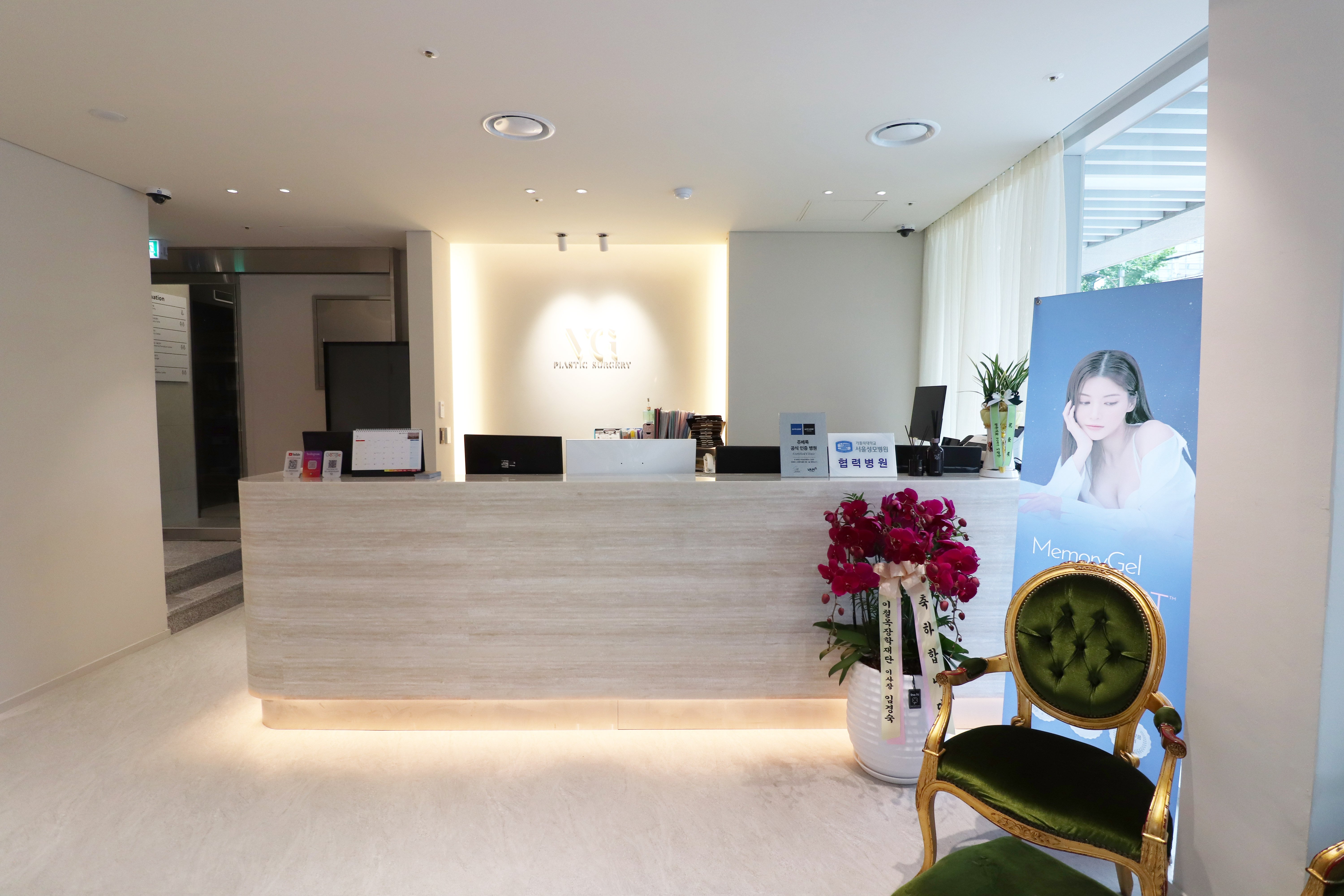
Comparing the best rhinoplasty clinics in Korea: techniques and materials
When comparing the best rhinoplasty clinics in Korea, examine how each proposed technique relates to your particular concern. Verygood plastic surgery lists procedures involving the nasal tip, bridge, nostrils and bones, along with cartilage-based approaches. Technique selection should follow an individual assessment rather than a preference for a procedure name or material. Ask the medical staff to explain the intended purpose of each part of the plan, the expected recovery and any alternatives worth considering.
Tip, bridge and bone procedures
Tip plasty focuses on the shape or support of the nasal tip. Augmentation rhinoplasty can be discussed when a patient wants to change the contour or support of the nose, and Verygood plastic surgery lists augmentation combined with tip plasty. Osteotomy is another listed technique and involves surgical work on nasal bone. The clinic also lists procedures for a nasal hump and a deviated nose. Whether any of these techniques is appropriate depends on an examination and the goals discussed.
It is helpful to separate the change you want from the method used to achieve it. For example, you may be concerned about the appearance of a hump without knowing whether bone work would be appropriate. Similarly, a concern about the tip does not automatically mean that tip plasty alone is the right plan. Ask the attending doctor which structures contribute to the feature you have identified and how the proposed operation would address them. If augmentation and tip plasty are discussed together, ask why both are included. For a deviated nose, describe any appearance or breathing concerns separately, so the consultation addresses what matters to you. A clear explanation of the surgical plan is an important part of informed consent. You should understand the proposed treatment before deciding whether to proceed.
The same visible concern can lead to different surgical discussions. A careful consultation connects the patient’s goals with the structures involved and explains why a technique is being considered.
Rib cartilage in rhinoplasty
Verygood plastic surgery lists rhinoplasty using costal cartilage, another term for rib cartilage. The listed revision options include a patient’s own rib cartilage and donated rib cartilage. Cartilage may be considered when additional structural material is needed, but the choice depends on the individual case. The attending doctor can explain where the material would be used and why it is proposed. Neither source should be assumed to be suitable for every patient.
When discussing a patient’s own rib cartilage, ask what obtaining the cartilage would involve and how the additional surgical site would affect recovery. When donated rib cartilage is proposed, ask how it would be used in the planned operation and what considerations apply. It is also useful to ask whether other approaches are relevant to your circumstances. A material choice is only one part of rhinoplasty planning; the condition of the nose, previous operations and the intended structural changes also matter. Discuss the benefits and risks of the recommended option before consenting to treatment. If you have records from a previous nasal procedure, share them with the medical staff so the material discussion can take your history into account.
Alar reduction and nasal shape
Alar reduction is listed among the nose procedures at Verygood plastic surgery. It concerns the alar area, the outer sides of the nostrils. A patient considering this procedure may want to discuss nostril width or shape, as well as how the area relates to the rest of the nose. The medical staff can assess the anatomy and explain whether alar reduction is relevant to the concern. As with other procedures, the decision should be made individually.
During the consultation, ask where incisions would be placed, how scars may heal and what care is required afterward. Scarring and healing differ between individuals, so an exact appearance cannot be promised. If you are also considering changes to the bridge or tip, explain how you hope the features will work together. This helps the attending doctor discuss the relationship between proposed procedures rather than treating each feature in isolation.
| Material option listed | Consultation question |
|---|---|
| Patient’s own rib cartilage | What would obtaining the cartilage involve? |
| Donated rib cartilage | How would the cartilage be used in the proposed revision? |
Technique and material decisions should be understandable before surgery is scheduled. Ask for an explanation of the planned incisions, the structures involved and the reason for using any cartilage. You can also ask how the plan might change if the attending doctor identifies a concern during the assessment. Taking time to review these details helps you compare options on the basis of the proposed care rather than terminology alone.
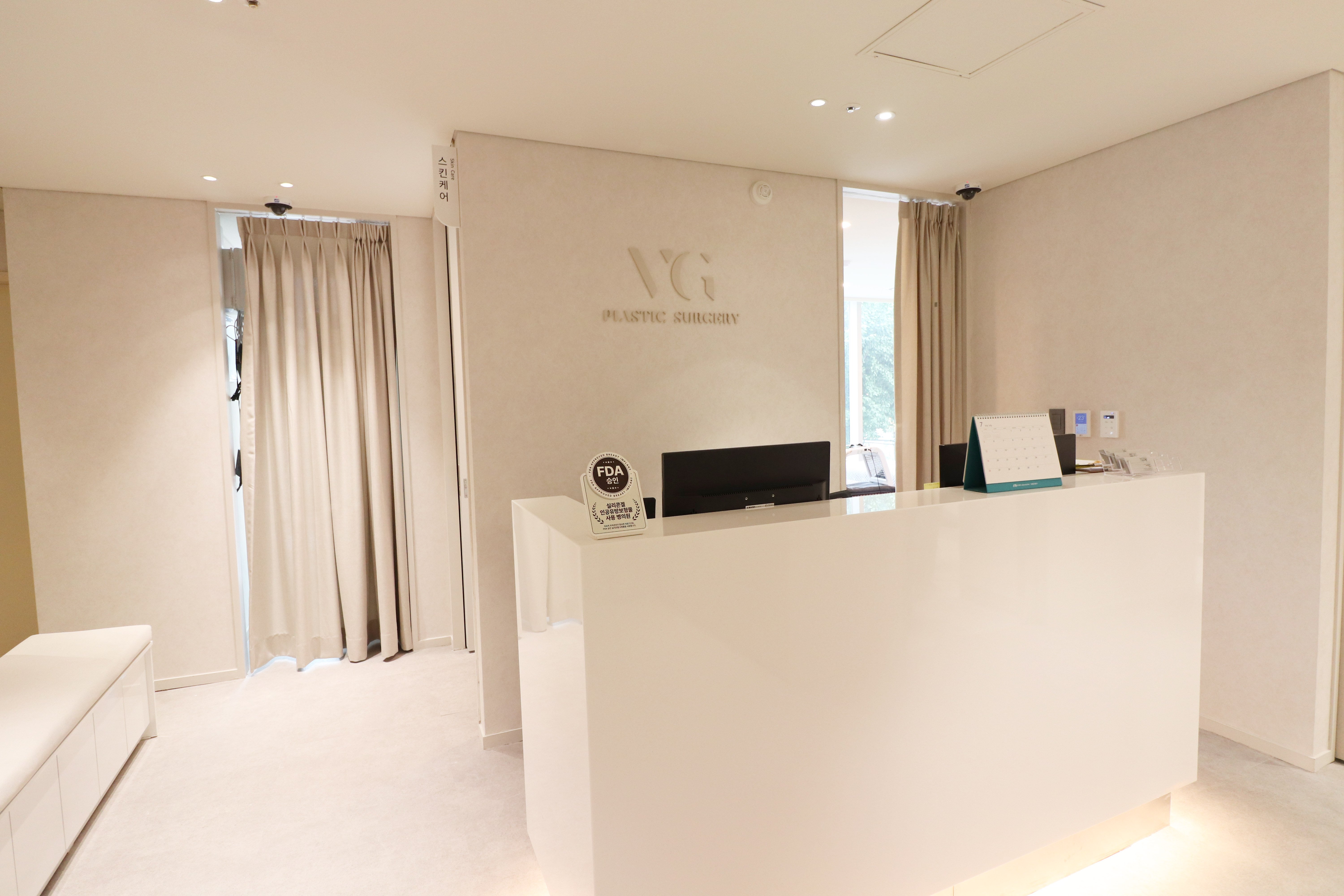
Preparing to visit the best rhinoplasty clinics in Korea
A productive consultation starts with a clear account of your goals and medical history. For people exploring the best rhinoplasty clinics in Korea, it is useful to prepare questions about the operation, recovery and follow-up rather than focusing only on the procedure name. Verygood plastic surgery describes a Safe Plastic Surgery System as a feature of its practice. You can ask the medical staff how safety and postoperative care are addressed for your proposed treatment.
What to bring to a consultation
Prepare a concise description of the features you want to discuss and any symptoms that concern you. Bring available records of previous nasal surgery, particularly if you are considering a revision. A list of current medications, supplements, allergies and relevant medical conditions can also support the discussion. If you use photographs to explain your preferences, be specific about the feature you are showing. The attending doctor can assess those goals in the context of your own anatomy.
It can be useful to write down questions before the appointment. Ask what procedure is proposed, whether more than one technique is involved and what alternatives are appropriate. If cartilage is part of the plan, ask about its source and role. You can also ask how the medical staff evaluates your medical history and what preparation is needed before surgery. For revision treatment, explain what you hoped to change with the earlier operation and what concerns remain. Mention any issues with healing or previous complications if applicable. A consultation is also an opportunity to decide whether you have enough information to make a considered choice. If an explanation is unclear, ask the attending doctor to describe it again in everyday language.
Preparation helps make a consultation more specific and useful. A clear history, focused questions and an explanation of your goals give the medical staff a basis for discussing an individual plan.
Points to consider before treatment
Rhinoplasty is surgery, and informed consent includes understanding potential complications. Depending on the procedure, risks can include bleeding, infection, scarring, changes in sensation and dissatisfaction with the appearance. Further treatment may sometimes be needed. Ask the attending doctor which risks are relevant to your proposed operation and medical history, and what signs should prompt you to contact the clinic. The risks and recovery associated with cartilage collection should also be discussed if your own rib cartilage is proposed.
Recovery instructions depend on the operation performed and your individual circumstances. Before proceeding, ask about expected swelling, activity restrictions, medication instructions and follow-up arrangements. Changes may take time depending on individual condition, and the nose can continue to change as healing progresses. Ask how the medical staff will monitor healing and when you should seek advice about an unexpected symptom. It is also sensible to discuss the practical demands of recovery, including time away from work and assistance you may need. Follow the instructions given for your specific procedure rather than assuming that another patient’s experience will apply to you. If you are unsure about any instruction, ask for clarification before leaving the consultation.
Discussing fees and next steps
The cost of rhinoplasty depends on the proposed treatment and individual circumstances. During consultation, ask for a clear explanation of the fees associated with your plan and what those fees cover. If additional procedures or follow-up care are discussed, ask how those would be handled. An itemized explanation can help you understand the proposed care without assuming that every rhinoplasty involves the same steps.
Before making a decision, review the treatment plan alongside the recovery guidance and the information about risks. You may also want to ask how to contact the clinic if questions arise after your appointment. A decision about surgery should allow time to consider your options, understand the consent process and discuss any remaining concerns with the attending doctor. There is no need to choose a procedure solely because it appears on a service list.
| Consultation topic | Question to consider |
|---|---|
| Treatment plan | Which areas of the nose would be treated, and why? |
| Materials | Is cartilage proposed, and where would it come from? |
| Recovery | What care and activity restrictions would apply? |
| Fees | What does the quoted fee cover? |
Verygood plastic surgery also lists eye surgery, breast surgery, facial contouring and other plastic surgery services. If you are considering more than one procedure, raise each goal during the consultation and ask how the proposed care would be planned. For rhinoplasty specifically, keep the discussion centered on your anatomy, the intended changes and the information you need to make an informed decision.




Frequently Asked Questions
Q.What services does Verygood plastic surgery offer for the nose?
A.Verygood plastic surgery offers rhinoplasty, including tip plasty, augmentation rhinoplasty, alar reduction and corrective rhinoplasty.
Q.Who might consider a rhinoplasty consultation?
A.A consultation can be useful for someone considering a change to the nasal tip, bridge or nostrils, or seeking advice about concerns after previous nasal surgery.
Q.What cartilage options are used for revision rhinoplasty?
A.Verygood plastic surgery lists revision rhinoplasty using a patient’s own rib cartilage and revision rhinoplasty using donated rib cartilage. The attending doctor can discuss the options in relation to the individual case.
Q.What should I prepare before a consultation?
A.Prepare a description of your goals and bring any available records of previous nasal surgery. A list of medications, allergies and relevant medical conditions is also helpful.
Q.Where is Verygood plastic surgery, and how can I get in touch?
A.Verygood plastic surgery is at 635 Nonhyeon-ro, Gangnam-gu, Seoul, Republic of Korea. The phone number is 02-596-9006.
 Verygood plastic surgery