

Rhinoplasty Clinics with Board Certified Plastic Surgeons: Checking Qualifications
When comparing rhinoplasty clinics with board certified plastic surgeons, start by identifying who would assess you and who would perform the operation. Ask about the attending surgeon’s professional qualifications, training, and experience with the type of rhinoplasty you are considering. Verify any board certification independently with the relevant certifying organization. Certification requirements differ by jurisdiction, so ask what a particular credential means and whether it is current. A clear conversation about qualifications can help you make an informed choice without relying on promotional language alone.
Questions to ask about the surgeon
Rhinoplasty can involve the nasal tip, bridge, bones, or internal structures. Ask the attending doctor which aspects of your case require attention and how often the doctor performs comparable procedures. If you have had nasal surgery before, explain what was done and what concerns remain. Relevant experience is more useful to discuss in relation to your own needs than as a general claim of expertise. You can also ask who will be involved in anesthesia and postoperative care.
Prepare questions before your appointment so you can compare answers across consultations. Ask the doctor to explain the proposed changes, the techniques involved, and any reasonable alternatives. If you are considering revision surgery, ask how prior surgery affects the examination and treatment options. Bring available surgical records or a list of procedures you remember having; previous operations can influence tissue condition and the choice of materials. It is also reasonable to ask how the clinic handles complications and who will be your contact after surgery. A useful consultation should give you enough information to understand the recommendation, not just the name of the procedure. Take time to consider the explanation before deciding whether to proceed.
Credentials are an important starting point, but they should be considered alongside the surgeon’s experience with your particular concerns. Ask for a clear explanation of the proposed approach and the care available afterward.
Assessing the consultation
A consultation should address both appearance and nasal function. Describe concerns in practical terms, such as a prominent hump, the shape of the tip, asymmetry, or difficulty breathing through the nose. Explain when breathing symptoms occur and whether you have experienced injury or previous surgery. The attending doctor can then examine the nose and discuss which concerns might be addressed surgically. An honest assessment may also identify limits to what surgery can reasonably achieve.
Consider how clearly the proposed plan relates to your goals. For example, changing the bridge and reshaping the tip are distinct steps, even when included in the same operation. Ask why each recommended step is relevant, whether it is necessary for your priorities, and what alternatives exist. If a procedure involves an implant or cartilage, ask about the proposed material and the reason for choosing it. You should also understand that images can help communicate preferences but cannot promise a particular result. Individual anatomy, healing, and previous treatment all matter. If anything is unclear, ask the medical staff to explain it in plain language before you make a decision.
Reviewing safety and follow-up
Verygood plastic surgery describes a safe plastic surgery system. During consultation, ask the medical staff how safety is addressed for your proposed operation, including anesthesia, assessment before surgery, and monitoring afterward. You can also discuss your medical history, current medicines, allergies, and any previous reactions to anesthesia. These details help the attending doctor assess factors that could affect your care. Do not stop prescribed medication without advice from the clinician responsible for it.
Follow-up is another part of the decision. Ask when you should expect to return, whom to contact with concerns, and what instructions apply to your procedure. The details of postoperative care depend on the operation and your circumstances. Understanding the follow-up plan before surgery makes it easier to prepare for recovery. If you are traveling for treatment, discuss how follow-up will work before arranging your trip.
It is also sensible to ask for a written explanation of the proposed operation and consent process. Review the information at your own pace, including the expected recovery, possible complications, and any restrictions. Ask how urgent concerns are handled outside scheduled appointments. These questions do not predict an outcome; they help you understand the responsibilities involved in treatment and what support to seek if a problem arises.
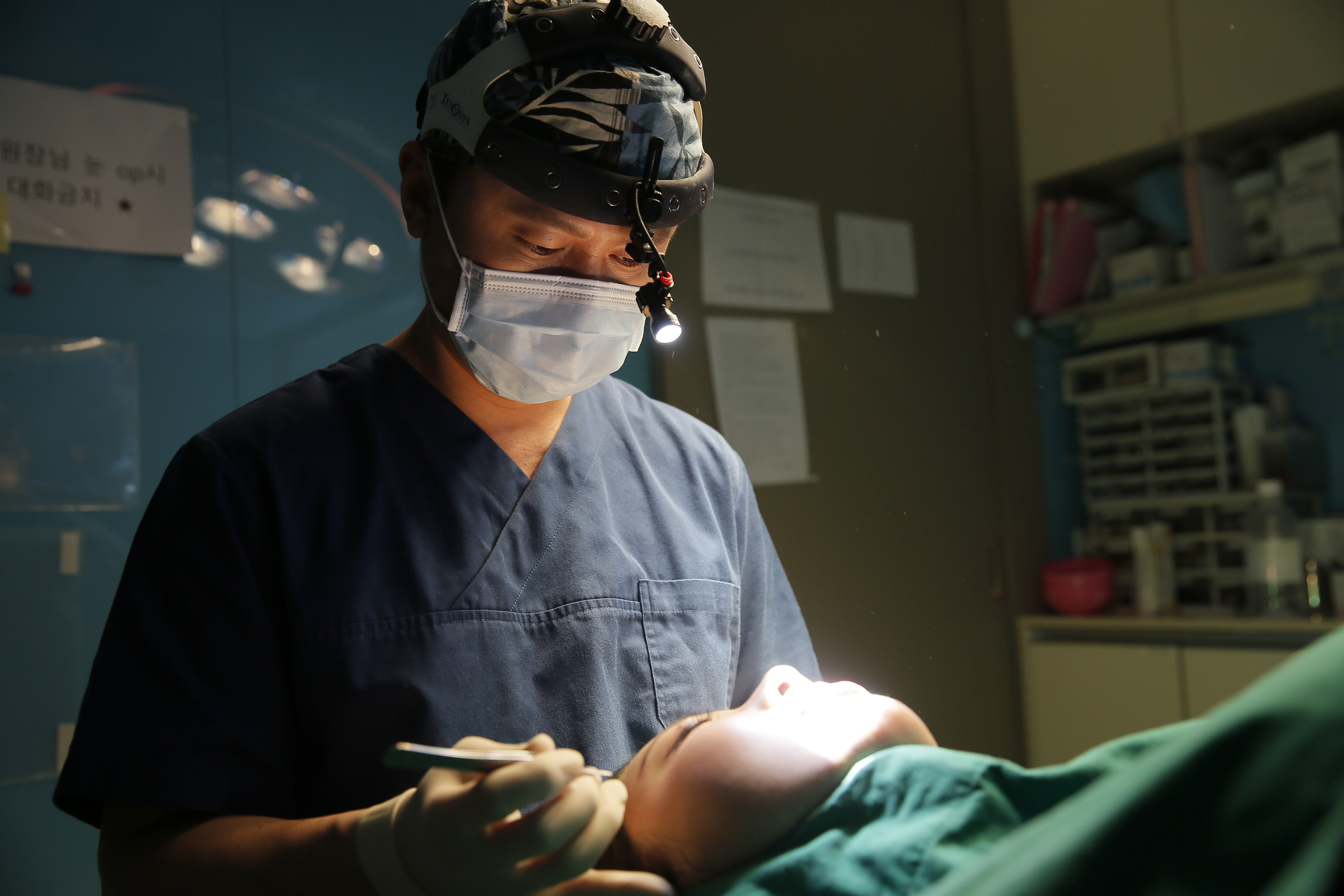
Rhinoplasty Clinics with Board Certified Plastic Surgeons: Comparing Procedures
The right procedure depends on the structures involved and your goals, rather than on a procedure name alone. Verygood plastic surgery offers nose surgery options including augmentation rhinoplasty, tip plasty, osteotomy, alar reduction, and revision rhinoplasty. A consultation can establish whether one approach or a combination is appropriate. Ask the attending doctor to explain which part of the nose each proposed step addresses and how it relates to your concerns.
Bridge, tip, and nasal bones
Augmentation rhinoplasty is intended to add support or height to areas of the nose. Tip plasty focuses on reshaping or supporting the nasal tip, while osteotomy involves controlled changes to nasal bone. These techniques address different structures and can be discussed together when appropriate. Verygood plastic surgery lists augmentation rhinoplasty with tip plasty, as well as osteotomy among its procedures. The attending doctor should explain the purpose of each recommended step in your individual plan.
If your main concern is a nasal hump, a wide-looking bridge, or a tip you consider bulbous, describe the specific change you hope to see. Ask the doctor to examine your nasal structure and explain which techniques might address that concern. A plan may involve more than one area of the nose, but an additional step should have a clear rationale. It is equally important to discuss breathing: structural changes should be considered in the context of nasal function as well as appearance. Ask what the examination suggests about your individual anatomy and whether any functional concerns need further assessment. The goal of this discussion is to understand the proposed approach and its limits, rather than assume that a named technique will suit everyone.
Rhinoplasty techniques serve different purposes, and a combination is not automatically appropriate for every patient. The attending doctor should connect each proposed step to your anatomy and priorities.
Cartilage and revision rhinoplasty
Verygood plastic surgery offers rhinoplasty using rib cartilage and lists revision rhinoplasty using a patient’s own rib cartilage or donated rib cartilage. Cartilage can be used in reconstructing or supporting nasal structures, depending on the treatment plan. If cartilage is recommended, ask where it would come from, why it is suitable for your case, and what the operation would involve. A patient’s own rib cartilage and donated rib cartilage are distinct options, with different considerations to discuss.
Revision rhinoplasty is surgery performed after an earlier nasal operation. Previous changes, scar tissue, and the available support structures can affect how a further procedure is planned. Bring records if you have them, including details of any implant or cartilage used, and describe both persistent concerns and changes since the earlier operation. Ask the attending doctor what can be assessed during the consultation and whether additional information is needed before a plan can be made. If your own rib cartilage is proposed, discuss the additional surgical site and its recovery. If donated cartilage is proposed, ask about its use in the planned procedure. The choice of material should be explained in relation to your individual anatomy and surgical history.
Other concerns to discuss
Alar reduction addresses the width or shape of the nostril area. Verygood plastic surgery also lists procedures for a deviated nose. If you are concerned about nostril shape or nasal deviation, point out what you notice and explain whether the concern is cosmetic, functional, or both. The doctor can assess the area and discuss whether surgery is appropriate. Ask how a proposed change would relate to the rest of your nose and face.
The table below summarizes procedures listed by Verygood plastic surgery and the general topic to discuss at consultation. It is a starting point for questions, not a treatment recommendation. The attending doctor’s assessment is needed to determine which procedure, if any, fits your circumstances.
| Procedure | Consultation topic |
|---|---|
| Augmentation rhinoplasty | Adding height or support to the nose |
| Tip plasty | Shape and support of the nasal tip |
| Osteotomy | Changes involving nasal bone |
| Alar reduction | Shape or width of the nostril area |
| Revision rhinoplasty | Concerns following previous nasal surgery |
Before agreeing to a combination of procedures, ask how the steps fit together and whether each one is necessary to address your priorities. Discuss alternatives, including choosing not to have surgery. If breathing is a concern, explain it even if your primary reason for consultation is appearance. A detailed discussion gives the attending doctor a fuller picture and helps you weigh the proposed operation against your own goals.

Rhinoplasty Clinics with Board Certified Plastic Surgeons: Planning Your Visit
Once you have identified a clinic and a proposed surgeon, prepare for a consultation that covers the full treatment process. Gather relevant health information, write down your concerns, and decide what you need to know before making a decision. At Verygood plastic surgery, you can discuss the rhinoplasty procedures offered and ask how a proposed plan would apply to you. Preparation is especially useful if you have breathing concerns or have undergone nasal surgery before.
What to bring and discuss
Bring a list of current medications and supplements, known allergies, and relevant medical conditions. If you have had nasal surgery or an injury, note what happened and when. Previous operative records can be helpful if available, particularly for revision consultations. You can also bring photographs to illustrate your preferences, while recognizing that another person’s nose may not be achievable or appropriate for your anatomy.
Organize your questions around the decisions you need to make. Ask what the examination shows, which changes are recommended, and what alternatives are available. Discuss the type of anesthesia proposed, the expected recovery process, and any restrictions on work, exercise, or travel. If you have nasal obstruction, describe its pattern and ask how it will be evaluated. The doctor should also know about any previous complications or concerns related to healing. Consider writing down the answers or asking for written instructions to review later. A consultation is not a commitment to surgery: it is a chance to understand the options, consider the information, and decide whether you are comfortable proceeding.
Good preparation helps make the consultation more specific to your needs. Bring your medical history and questions, and allow yourself time to review the proposed plan.
Points to consider before treatment
All surgery carries risks. With rhinoplasty, possible complications include bleeding, infection, scarring, changes in sensation, breathing difficulties, or dissatisfaction with the appearance. Additional treatment may be needed in some cases. Ask the attending doctor which risks are most relevant to the proposed procedure and your health history. The discussion should also cover anesthesia and what symptoms require prompt medical attention after surgery.
Recovery and visible changes depend on the procedure and the individual. Swelling can affect the appearance of the nose during healing, and changes may take time depending on individual condition. Ask when you can expect follow-up assessments and what activities to avoid during recovery. If rib cartilage is used from your own body, discuss care for the additional surgical site as well. Make practical arrangements for assistance and travel based on the medical staff’s instructions, rather than assuming you will feel ready for normal activities immediately. No consultation can guarantee a particular appearance or outcome. Understanding the potential benefits, limits, and risks helps you decide whether the proposed treatment is right for you.
Costs and practical arrangements
Before scheduling surgery, ask for a clear breakdown of the proposed charges. Check which parts of the plan are included, such as the procedure, anesthesia, postoperative visits, and any materials. If revision surgery or rib cartilage is being considered, ask how those choices affect the estimate. Costs depend on the proposed treatment, so the most useful figure is one tied to your individual plan.
Ask about the expected sequence of appointments and how to contact the medical staff if questions arise after your visit. If you are traveling, allow for the follow-up recommended for your procedure and discuss what to do if concerns develop after you return home. Keep copies of your treatment information and postoperative instructions where you can access them easily.
Finally, compare clinics on the quality of the explanation as well as the proposed procedure. Verify the surgeon’s stated qualifications, consider whether your questions were answered, and review the follow-up arrangements. Take the time you need to understand consent and the practical commitments involved. A decision grounded in your own priorities and a clear medical assessment is more useful than choosing solely on the basis of a photograph or a procedure label.





Frequently Asked Questions
Q.What does Verygood plastic surgery offer for the nose?
A.Verygood plastic surgery offers rhinoplasty procedures including augmentation rhinoplasty, tip plasty, osteotomy, alar reduction, and revision rhinoplasty.
Q.Who might consider a rhinoplasty consultation?
A.A consultation may be useful for someone concerned about the nasal bridge, tip, nostrils, or a deviated nose, or someone considering surgery after a previous nasal operation. The attending doctor can assess whether a procedure is appropriate.
Q.What options are available for revision rhinoplasty?
A.Verygood plastic surgery lists revision rhinoplasty using a patient’s own rib cartilage or donated rib cartilage. The choice of material should be discussed in relation to the individual treatment plan.
Q.What should I prepare before a consultation?
A.Bring a list of medications, allergies, and relevant medical conditions. If you have had nasal surgery before, bring any available records and details of the earlier procedure.
Q.How can I contact Verygood plastic surgery?
A.Verygood plastic surgery is at 635 Nonhyeon-ro, Gangnam-gu, Seoul, Republic of Korea. For consultation inquiries, call 02-596-9006.
 Verygood plastic surgery