

How to assess top rhinoplasty clinics in Gangnam-gu Seoul
Choosing a rhinoplasty clinic starts with understanding your concerns and the procedures that may address them. Verygood plastic surgery offers nose surgery options that include augmentation rhinoplasty, tip plasty, corrective rhinoplasty, and revision rhinoplasty. The clinic also lists procedures using rib cartilage and rhinoplasty for men. A useful consultation should connect your goals with an assessment of your nasal structure and a clear explanation of the proposed approach. Rather than focusing on a single procedure name, ask how each recommendation relates to your individual situation.
Start with the concern you want to address
Rhinoplasty can involve different parts of the nose, so it helps to describe your concern as precisely as you can. You might want to discuss the nasal tip, a hump, the width of the nostrils, or a deviation. Verygood plastic surgery lists procedures addressing these concerns, including tip plasty, alar reduction, and approaches involving osteotomy. If you have had previous nasal surgery, tell the medical staff early in the consultation: revision rhinoplasty requires consideration of the existing surgical history.
Bring a short list of the features you would like to discuss, along with any questions about breathing or previous treatment. A photograph can help communicate an aesthetic preference, but it should serve as a starting point rather than a promise of a particular result. Nasal anatomy, skin, and previous surgery can affect what an attending doctor recommends. Ask which part of the nose each proposed step would address and whether more than one technique is being considered. For example, Verygood plastic surgery lists augmentation rhinoplasty combined with tip plasty, as well as procedures involving osteotomy. Understanding the role of each step makes it easier to discuss the plan and decide whether it aligns with your priorities.
A clear description of your concerns gives the consultation a useful starting point. Ask how the recommended techniques relate to your anatomy and whether any previous nasal surgery affects the plan.
Understand the clinic’s range of procedures
Verygood plastic surgery lists both primary and corrective nose surgery, including rhinoplasty using costal cartilage, another term for rib cartilage. The clinic also lists revision rhinoplasty using a patient’s own rib cartilage or donated rib cartilage. These options are not interchangeable decisions to make from a procedure list alone. The choice depends on an individual assessment and a discussion with the attending doctor about the intended surgical plan.
Other listed procedures include alar reduction, tip plasty, and osteotomy. Alar reduction addresses the nasal alae, the outer portions of the nostrils, while tip plasty focuses on the nasal tip. Osteotomy refers to a controlled surgical cut in bone and may be included in a nasal surgery plan when appropriate. These descriptions help distinguish the terms, but they do not establish which procedure you need. Ask the medical staff to explain the purpose of each proposed technique in your case. If cartilage is discussed, ask where it would come from, why it is being considered, and what the choice means for the operation and recovery. You can also ask whether an alternative approach is suitable and how the expected course of care differs.
Discuss safety and expectations
Verygood plastic surgery identifies a Safe Plastic Surgery System as part of its approach. During a consultation, you can ask the medical staff how safety is addressed before, during, and after the proposed operation. Useful topics include your medical history, anesthesia, medications, follow-up, and the instructions you would receive after surgery. A safety discussion should be specific to your circumstances and the procedure being considered.
Rhinoplasty is surgery, and the consultation should include a discussion of potential complications as well as the intended changes. Ask about swelling, healing, scarring, and any risks that are particularly relevant to your health or surgical history. Changes may take time depending on individual condition, so it is also useful to ask what to expect during recovery and when follow-up assessments are planned. This helps distinguish the immediate postoperative appearance from the longer healing process.
Before deciding, make sure you understand the proposed procedure and have had an opportunity to ask questions. Write down the answers or bring a trusted person if that helps you review the information afterward. A careful decision is based on the details of your own plan, not simply on the name of a technique or another person’s photographs. Ask the attending doctor to clarify anything that remains unclear before you consent to surgery.
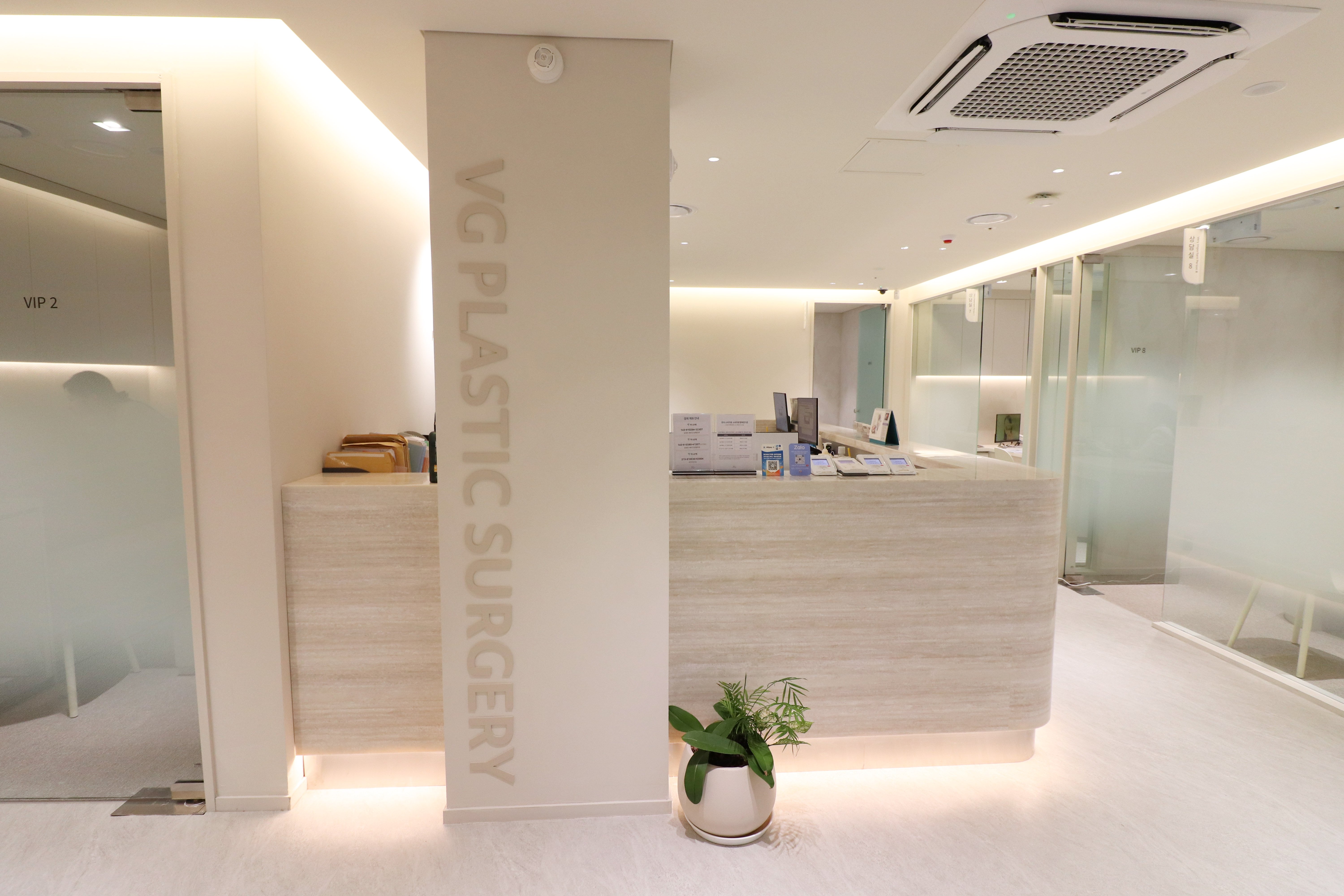
Procedures at top rhinoplasty clinics in Gangnam-gu Seoul
Rhinoplasty plans can focus on the nasal bridge, tip, nostrils, or a combination of areas. Verygood plastic surgery lists augmentation rhinoplasty with tip plasty, procedures involving osteotomy, and corrective approaches for concerns such as a hump or deviated nose. The clinic also offers revision rhinoplasty and rhinoplasty using rib cartilage. The procedure names describe possible approaches; an examination and consultation are needed to determine which, if any, is appropriate for an individual.
Augmentation rhinoplasty and tip plasty
Augmentation rhinoplasty aims to add height or support to the nose. Tip plasty focuses on reshaping the nasal tip. Verygood plastic surgery lists these procedures together, as well as tip plasty as a procedure in its own right. Combining techniques may be discussed when more than one area is involved, but the surgical plan should follow the individual assessment rather than a fixed formula.
At a consultation, describe what you hope to change about the bridge and tip separately. This makes it easier to ask which proposed step addresses each concern. If augmentation is recommended, ask the attending doctor what material is proposed and why it is suitable for your situation. If tip plasty is discussed, ask how the planned changes relate to the rest of your nose and face. It is also reasonable to discuss how the nose functions, including any breathing concerns you have noticed. Aesthetic goals and functional concerns deserve a clear conversation before surgery. The medical staff can explain the intended scope of the operation and whether additional assessment is needed.
Augmentation and tip plasty address different parts of a rhinoplasty plan, and they can be discussed together when appropriate. Ask for an explanation of each step and the materials proposed for your individual case.
Humps, deviation, and nostril concerns
Verygood plastic surgery lists procedures for a hump nose and a deviated nose, along with alar reduction and osteotomy. A hump may be a concern in the side profile, while a deviation may affect the appearance of the nasal alignment. Alar reduction concerns the outer portions of the nostrils. These terms refer to distinct features, so describing your concern helps the attending doctor explain the relevant options.
Osteotomy may be part of a surgical plan that involves the nasal bones, but it is not automatically necessary for every rhinoplasty. Ask whether bone work is proposed, what it is intended to address, and how it affects postoperative care. If nasal alignment is a concern, mention any breathing difficulties rather than assuming they will be addressed by an aesthetic procedure. The attending doctor can explain the scope of the proposed operation and whether your concerns call for further assessment. For nostril-width concerns, ask how alar reduction would be planned and what scarring or healing considerations are relevant. The aim of these questions is to understand the procedure before deciding, not to select a technique without an examination.
Revision rhinoplasty and rib cartilage
Revision rhinoplasty is nasal surgery performed after an earlier rhinoplasty. Verygood plastic surgery lists revision procedures using a patient’s own rib cartilage and donated rib cartilage. The clinic also lists rhinoplasty using costal cartilage more broadly. If you are considering revision, explain what was done previously, what concerns remain, and whether you have experienced changes in breathing or healing.
Previous operations can affect the tissue and available options, so a revision plan requires an individual discussion. Bring any records you have, including details of materials used and the earlier surgical procedure. Ask the attending doctor how the existing anatomy affects the proposed plan, why a particular cartilage source is being considered, and what additional considerations come with that choice. If your own rib cartilage is proposed, ask about the separate donor area and its care.
| Listed procedure | Area or purpose to discuss |
|---|---|
| Tip plasty | Changes involving the nasal tip |
| Augmentation rhinoplasty | Adding height or support to the nose |
| Alar reduction | The outer portions of the nostrils |
| Osteotomy | Bone work within a nasal surgery plan |
| Revision rhinoplasty | Further nasal surgery after an earlier operation |
Use the procedure list as a conversation aid rather than a way to diagnose your own needs. More than one feature can be discussed during a consultation, and the attending doctor can explain whether a combined approach is appropriate. Ask which concerns the proposed operation is intended to address and which are outside its scope. That distinction is especially important when aesthetic goals, breathing concerns, and previous surgery are all part of the discussion.
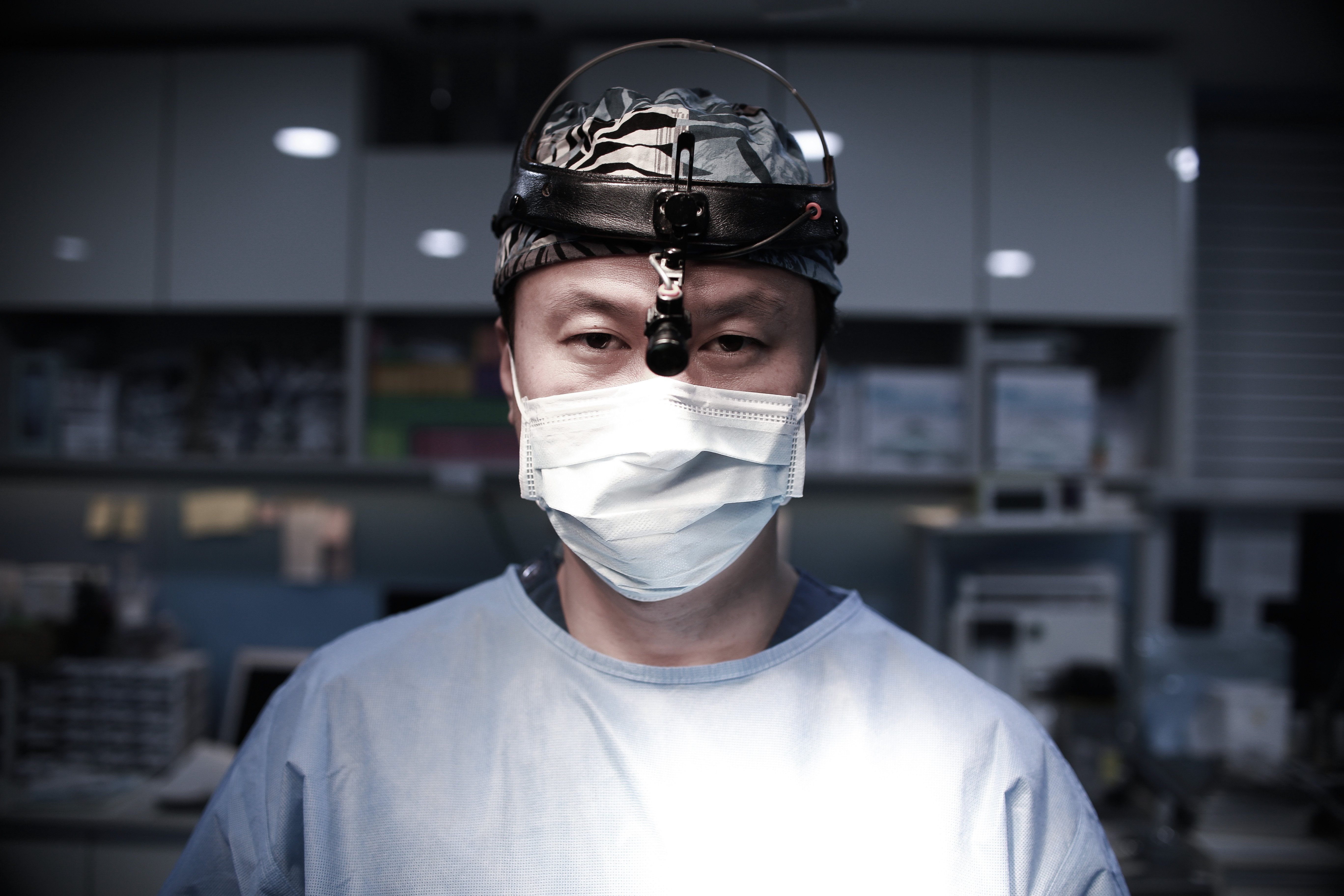
Planning a visit to top rhinoplasty clinics in Gangnam-gu Seoul
Preparation can make a rhinoplasty consultation more productive. Gather relevant medical information, identify your main questions, and be ready to describe both your goals and any concerns about nasal function. Verygood plastic surgery offers consultations for its plastic surgery services, including nose surgery. A practical goal for the visit is to leave with an understanding of the proposed procedure, its considerations, and the next steps. You do not need to choose a technique before speaking with the medical staff.
What to bring to your consultation
Prepare a list of medications, supplements, allergies, and relevant health conditions to discuss with the medical staff. If you have had nasal surgery or an injury, bring any records available to you. Note any breathing concerns and when you notice them. You may also find it helpful to bring photographs that illustrate the features you want to discuss, while remaining open to an assessment based on your own anatomy.
Organize your questions around the decisions you may need to make. Ask what the recommended procedure involves, whether cartilage or bone work is anticipated, and what preparation is appropriate for you. If you are considering revision surgery, ask how the prior operation affects the assessment. You can also discuss anesthesia, the expected healing process, follow-up, and when you might be able to return to usual activities. Recovery instructions depend on the operation and individual circumstances, so request guidance tailored to your plan. Finally, ask for a clear explanation of fees and what they cover before making a decision. Costs depend on the proposed treatment and should be discussed during consultation.
Bring your medical history and a concise list of concerns so the consultation can focus on your needs. Understanding the operation, recovery instructions, and fees is part of making an informed decision.
Points to consider before treatment
Before agreeing to surgery, discuss the potential risks and the expected course of recovery with the attending doctor. Swelling and bruising can occur after rhinoplasty, and healing is individual. Ask how to care for the surgical area, which activities to avoid, and what symptoms should prompt you to contact the clinic. Follow the instructions given for your specific procedure, including any guidance about medications and follow-up appointments.
It is also worth discussing how long changes may take to become apparent. The nose can continue to change as swelling settles, and the course of healing depends on the individual and the operation performed. If revision surgery or rib cartilage is involved, ask whether the proposed plan includes additional care considerations. Do not hesitate to ask the medical staff to explain a recommendation again or describe an alternative if one is suitable. An informed discussion should cover the intended benefit of each step, potential complications, and the limits of what surgery can accomplish. If you have questions after reviewing the plan, contact our clinic before proceeding rather than relying on assumptions about the operation or recovery.
Questions to ask about your plan
Ask the attending doctor to explain the procedure in terms you understand. Which nasal features will be addressed? Is osteotomy or cartilage planned? What type of anesthesia is proposed? How will previous surgery affect the operation? These questions help you connect the procedure name with the actual steps being considered. You can also ask how your breathing concerns fit into the assessment and the proposed scope of care.
Practical questions matter as well. Discuss preparation, aftercare, follow-up, and the anticipated cost of your individual plan. Ask what support is available if you have a concern during recovery and how to contact our clinic. If you are comparing approaches, request an explanation of why one is being recommended for your circumstances. Understanding the reasoning behind a recommendation is more useful than choosing a procedure solely by its name.
Verygood plastic surgery also lists eye surgery, facial contouring, anti-aging procedures, breast surgery, and body surgery. If you are considering more than one procedure, raise that during consultation so the medical staff can discuss your goals and the proposed scope of care. For rhinoplasty specifically, focus on the plan for your nose, the materials and techniques involved, and the recovery guidance you would need before deciding how to proceed.





Frequently Asked Questions
Q.What rhinoplasty services does Verygood plastic surgery offer?
A.Verygood plastic surgery offers nose surgery options including augmentation rhinoplasty, tip plasty, corrective rhinoplasty, and revision rhinoplasty. The clinic also lists rhinoplasty using rib cartilage.
Q.Who might consider a rhinoplasty consultation?
A.A consultation may be useful for someone concerned about the nasal tip, a hump, nasal deviation, or the nostrils. People considering further surgery after an earlier rhinoplasty can also discuss revision options.
Q.What can be discussed for revision rhinoplasty?
A.Verygood plastic surgery lists revision rhinoplasty using a patient’s own rib cartilage or donated rib cartilage. The attending doctor can discuss the proposed approach in light of previous surgery and individual anatomy.
Q.What should I prepare before a consultation?
A.Bring a list of relevant medications, allergies, health conditions, and any previous nasal surgery. Records from earlier procedures and questions about your goals or breathing concerns can also be helpful.
Q.Where is Verygood plastic surgery, and how can I contact the clinic?
A.Verygood plastic surgery is at 635 Nonhyeon-ro, Gangnam-gu, Seoul, Republic of Korea. For consultation inquiries, call 02-596-9006.
 Verygood plastic surgery