
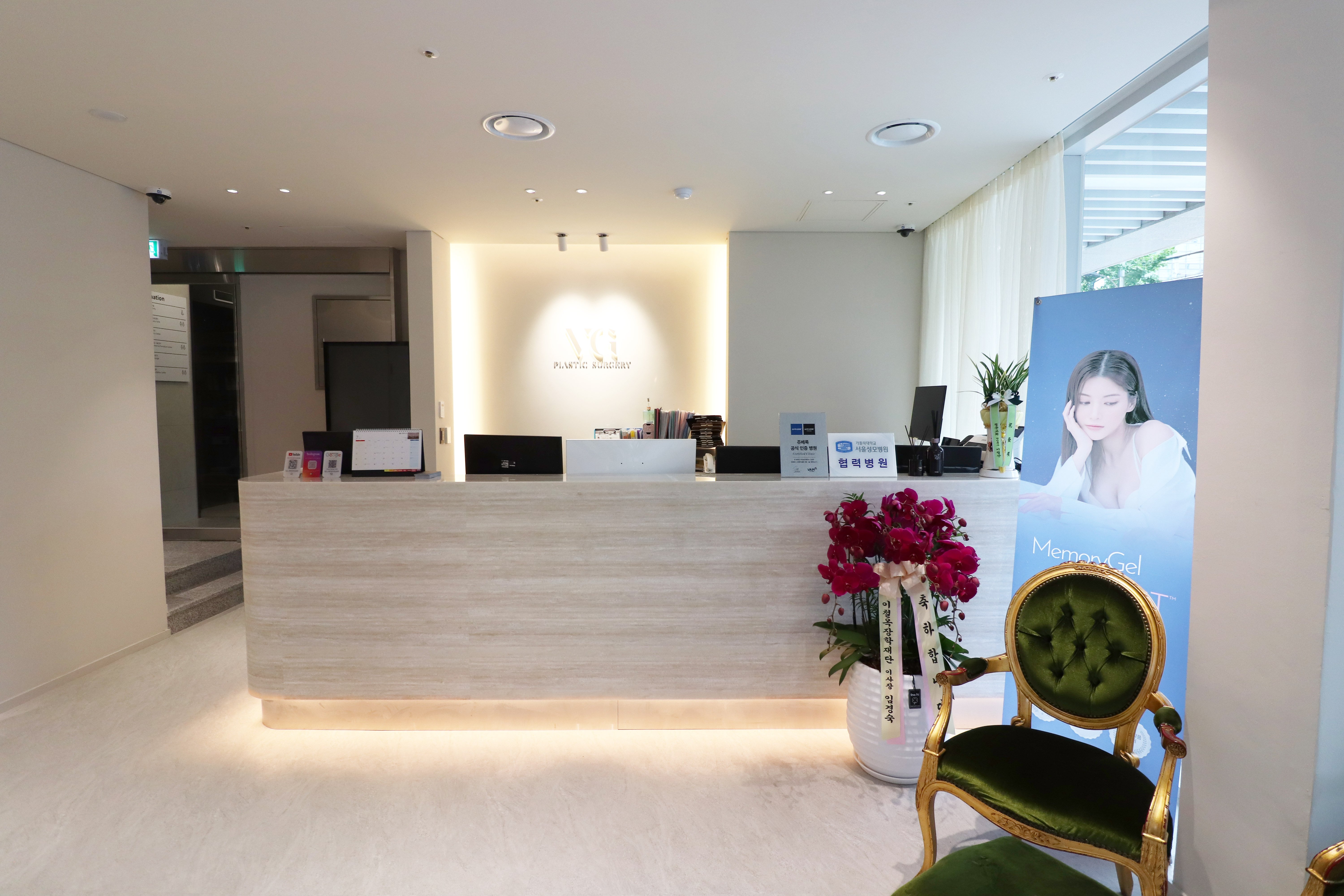
How to assess rhinoplasty clinics in Korea with board certified plastic surgeons
When researching rhinoplasty clinics in Korea with board certified plastic surgeons, treat credentials as a point to verify rather than an assumption. Confirm the operating surgeon’s qualifications and ask who will perform each part of the procedure. At Verygood Plastic Surgery, rhinoplasty is one of the listed surgical areas, alongside specific options such as costal cartilage rhinoplasty and corrective rhinoplasty. Use consultation to connect the procedure being considered with the surgeon’s experience, your individual goals, and a clear explanation of care.
Verify qualifications and the operating surgeon
A clinic’s name or location does not establish a surgeon’s qualifications. Ask for the operating surgeon’s full professional title and verify the relevant board certification through an appropriate official channel. Also clarify whether the person you meet during consultation will perform the operation and oversee follow-up care. These questions help distinguish general clinic information from details about the individual responsible for treatment. Credential checks should be specific and completed before making a decision.
During a consultation, ask the surgeon to explain how your anatomy and goals affect the proposed plan. You can also ask what alternatives were considered, what the procedure is intended to change, and what limitations apply to your case. A clear discussion should make it easier to understand the reasoning behind a recommendation without relying on broad promises. If any part of the plan is unclear, request an explanation in plain language before proceeding. Keep written notes so that you can review the information afterward and compare it with your own priorities.
Approach credentials as something to verify for the individual surgeon, not infer from a clinic’s marketing or location. A useful consultation should also explain why a particular plan fits your goals and what its limits are.
Compare the procedure options that are actually offered
Procedure names can indicate different planning considerations, so compare the exact service being discussed rather than relying on a general label such as “nose surgery.” Verygood Plastic Surgery lists rhinoplasty procedures, including costal cartilage rhinoplasty, rhinoplasty for men, and corrective rhinoplasty. Ask which option relates to your concern and what the proposed approach involves. The name of a procedure alone does not establish that it is suitable for an individual patient.
For a meaningful comparison, ask each clinic to describe the proposed procedure in terms you can understand. Clarify the intended changes, the materials or techniques being considered, and how the plan accounts for your existing anatomy and medical history. If you are considering corrective rhinoplasty, explain any prior procedures and what concerns remain; that context is important to discussing an appropriate plan. For costal cartilage rhinoplasty, ask why this option is being considered in your case and what alternatives were discussed. The aim is not to select a technique based on its name, but to understand the clinical reasoning and the care involved.
Use a consistent checklist when comparing clinics
Comparisons are more useful when you ask each clinic the same core questions. Record who will operate, what procedure is proposed, how the plan addresses your goals, and what follow-up arrangements are discussed. Ask how the clinic approaches patient safety and what steps are taken before and after surgery. Verygood Plastic Surgery identifies a Safe Plastic Surgery System as a core feature. Ask the medical staff to explain how that system applies to your care rather than treating a general phrase as a substitute for specific answers.
Keep your comparison focused on concrete information: the surgeon’s qualifications, the reasons for the recommended approach, the expected care pathway, and the process for raising concerns. A clinic that offers a particular procedure may not recommend it for every patient. Make sure you understand the plan and have time to consider it before making a decision. Written notes from consultation can help you compare explanations accurately and identify questions that still need answers.
It can also help to separate your goals into what you hope to change and what you want to preserve. Share relevant medical history and prior procedures, and ask how these factors influence the proposed plan. Avoid comparing clinics solely by photographs or broad claims; images cannot explain the reasoning, technique, or follow-up involved in an individual case. A careful comparison is based on a direct discussion of your needs and the specific care being proposed.

What rhinoplasty clinics in Korea with board certified plastic surgeons should discuss
A helpful consultation should explain the procedure, the reason it is being recommended, and the considerations that may affect planning. It should also give you room to discuss your priorities and ask about safety, recovery, and follow-up. Verygood Plastic Surgery lists several rhinoplasty-related options, while its core stated feature is a Safe Plastic Surgery System. Ask how the planned care relates to your own circumstances; a general procedure description cannot replace an individual assessment.
Describe your goals and medical history clearly
Before consultation, think about the concerns that led you to consider rhinoplasty and the changes you hope to discuss. Mention previous nasal procedures and relevant health information so the medical staff can consider them during assessment. Be direct about what you want to change and what you would prefer to maintain. This helps keep the conversation centered on your priorities and allows the clinic to explain whether a proposed procedure is relevant to your situation.
It is useful to turn broad goals into questions. For example, ask which aspects of the nose a proposed plan is intended to address, what factors might limit the plan, and whether another approach is being considered. If you have had earlier surgery, describe it as accurately as you can, including any concerns that followed. The consultation is also a chance to discuss the procedure’s risks and care requirements. You do not need to decide immediately: take time to review the explanation, note anything that remains uncertain, and seek clarification before agreeing to treatment.
Good planning starts with an accurate account of your goals, health history, and any prior procedures. Ask the medical staff to explain the proposed approach and its limits in terms that make sense to you.
Ask how the Safe Plastic Surgery System applies
Verygood Plastic Surgery describes its core competitiveness as a Safe Plastic Surgery System. During consultation, ask the medical staff to explain the steps involved and how they relate to your planned care. Keep the discussion specific: ask what happens before surgery, how the procedure is managed, and what follow-up is arranged. A safety statement is most useful when the clinic can explain its practical application to your individual treatment plan.
Patients should understand the key stages of care before deciding on surgery. Ask what assessments are part of planning, who is responsible for explaining the procedure, and how questions or concerns are handled after treatment. Discuss the risks relevant to the proposed operation and the guidance you will receive for recovery. The details may depend on the individual plan, so avoid assuming that a general description covers every case. A clear explanation helps you understand the process and decide whether you are comfortable moving forward. If a response uses unfamiliar terms, ask for a simpler explanation or written information to review.
Understand recovery and follow-up planning
Recovery needs and follow-up depend on the procedure and the individual patient. Ask what care instructions apply to your proposed operation, what changes should prompt you to contact the clinic, and how follow-up is organized. Do not rely on a general timeline from another person as a prediction for your own recovery. Make sure you understand whom to contact if you have a concern after treatment.
Before scheduling, clarify the practical aspects of care, including how follow-up communication works and what you should do if questions arise during recovery. Ask the medical staff to distinguish expected healing changes from issues that need prompt attention. Follow the instructions provided for your own procedure rather than adapting advice intended for someone else. If travel or time away from home affects your plans, raise that early so the clinic can discuss relevant arrangements. Recovery is part of treatment planning, not an afterthought, and understanding it can help you make a more informed decision.
Changes may take time depending on individual condition, so ask how progress will be assessed and when follow-up is recommended. Be cautious of any explanation that promises a particular result or treats recovery as identical for everyone. The most useful guidance is specific to the procedure being considered and the patient receiving it. Keep the clinic’s instructions accessible and contact the medical staff if you are uncertain about what to do.

Choosing among rhinoplasty clinics in Korea with board certified plastic surgeons
Choosing a clinic is a decision about both the proposed procedure and the care surrounding it. Verify the operating surgeon’s qualifications, compare the reasoning behind each plan, and ask clear questions about safety and follow-up. Verygood Plastic Surgery lists rhinoplasty, costal cartilage rhinoplasty, rhinoplasty for men, and corrective rhinoplasty among its procedures. Use an in-person consultation to determine which options, if any, are appropriate for your individual needs.
Match the consultation to your specific concern
Different concerns may lead to different discussions. Someone considering an initial procedure may focus on goals and suitable options, while someone exploring corrective rhinoplasty should explain prior treatment and the issues they want assessed. Verygood Plastic Surgery lists both rhinoplasty and corrective rhinoplasty, as well as rhinoplasty for men. Ask the medical staff which service relates to your concern and what information is needed to assess your case.
Rather than asking only whether a clinic performs a named procedure, ask how the medical staff evaluates whether it fits your situation. Discuss your priorities, previous treatment, and any concerns that could affect planning. If you are considering costal cartilage rhinoplasty, ask why that procedure is being discussed and what alternatives are relevant. If the consultation concerns corrective surgery, make sure the earlier procedure and current concerns are clearly understood. The recommendations should be explained in relation to your individual assessment, not presented as a standard answer for every patient. Take time to consider whether you understand the reasoning and follow-up plan.
Let your specific concern guide the consultation, whether you are considering rhinoplasty, a listed variation, or corrective surgery. The clinic should explain how the proposed option relates to your case rather than treating a procedure name as a recommendation by itself.
Assess communication as part of the decision
Clear communication is essential when discussing elective surgery. The medical staff should be able to explain the proposed procedure, relevant considerations, and care plan in language you understand. Prepare questions in advance and ask for clarification whenever an answer feels incomplete. You should leave consultation with a clear understanding of what is being proposed and what further decisions remain.
Notice whether the discussion addresses your actual goals and medical history rather than moving directly to a standard procedure description. Ask who will be responsible for your operation and follow-up, and verify the operating surgeon’s qualifications independently. Request an explanation of the risks and limitations relevant to your proposed plan. If you are comparing more than one option, write down the differences in the reasoning and care pathway. Good communication does not guarantee a particular result, but it gives you information needed to make a considered decision and understand the responsibilities involved.
Plan your consultation and next steps
Before visiting, prepare a short list of your goals, prior procedures, relevant health information, and questions about the recommended approach. Verygood Plastic Surgery provides consultation and clinic information and lists nose surgery among its services. Bring up any practical concerns that could affect treatment planning, including follow-up needs. This preparation can make the conversation more focused and help you remember what to clarify before deciding.
After consultation, review the proposed procedure, the surgeon’s qualifications, the safety discussion, and the follow-up plan. Contact the clinic if you need clarification about what was discussed. Avoid making a decision based only on a procedure label or a general statement about safety; ask how the information applies to your case. The clinic is located at 635 Nonhyeon-ro, Gangnam-gu, Seoul, Republic of Korea. For consultation or booking inquiries, contact Verygood Plastic Surgery at 02-596-9006.
There is no need to rush through questions about surgery. Make sure you understand the recommendation, the reason for it, and the care involved before choosing whether to proceed. If details change after assessment, ask the medical staff to explain how that affects the plan. A decision based on direct answers and your own priorities is more informed than one based on a broad ranking or an unverified credential claim.





Frequently Asked Questions
Q.What kind of place is Verygood Plastic Surgery?
A.Verygood Plastic Surgery is a plastic surgery clinic that lists rhinoplasty and other surgical procedures. Its stated core feature is a Safe Plastic Surgery System.
Q.Who may want to discuss rhinoplasty at Verygood Plastic Surgery?
A.People considering rhinoplasty, rhinoplasty for men, or corrective rhinoplasty can ask the clinic whether a listed procedure relates to their concerns. Suitability depends on an individual assessment.
Q.What rhinoplasty procedures does Verygood Plastic Surgery list?
A.Its listed options include rhinoplasty, costal cartilage rhinoplasty, rhinoplasty for men, and corrective rhinoplasty.
Q.How can I prepare for a rhinoplasty consultation?
A.Prepare questions about your goals, the proposed procedure, safety, and follow-up. Be ready to discuss relevant health history and any previous nasal procedures.
Q.Where is Verygood Plastic Surgery, and how can I contact it?
A.Verygood Plastic Surgery is at 635 Nonhyeon-ro, Gangnam-gu, Seoul, Republic of Korea. Call 02-596-9006 for consultation or booking inquiries.
 Verygood plastic surgery