
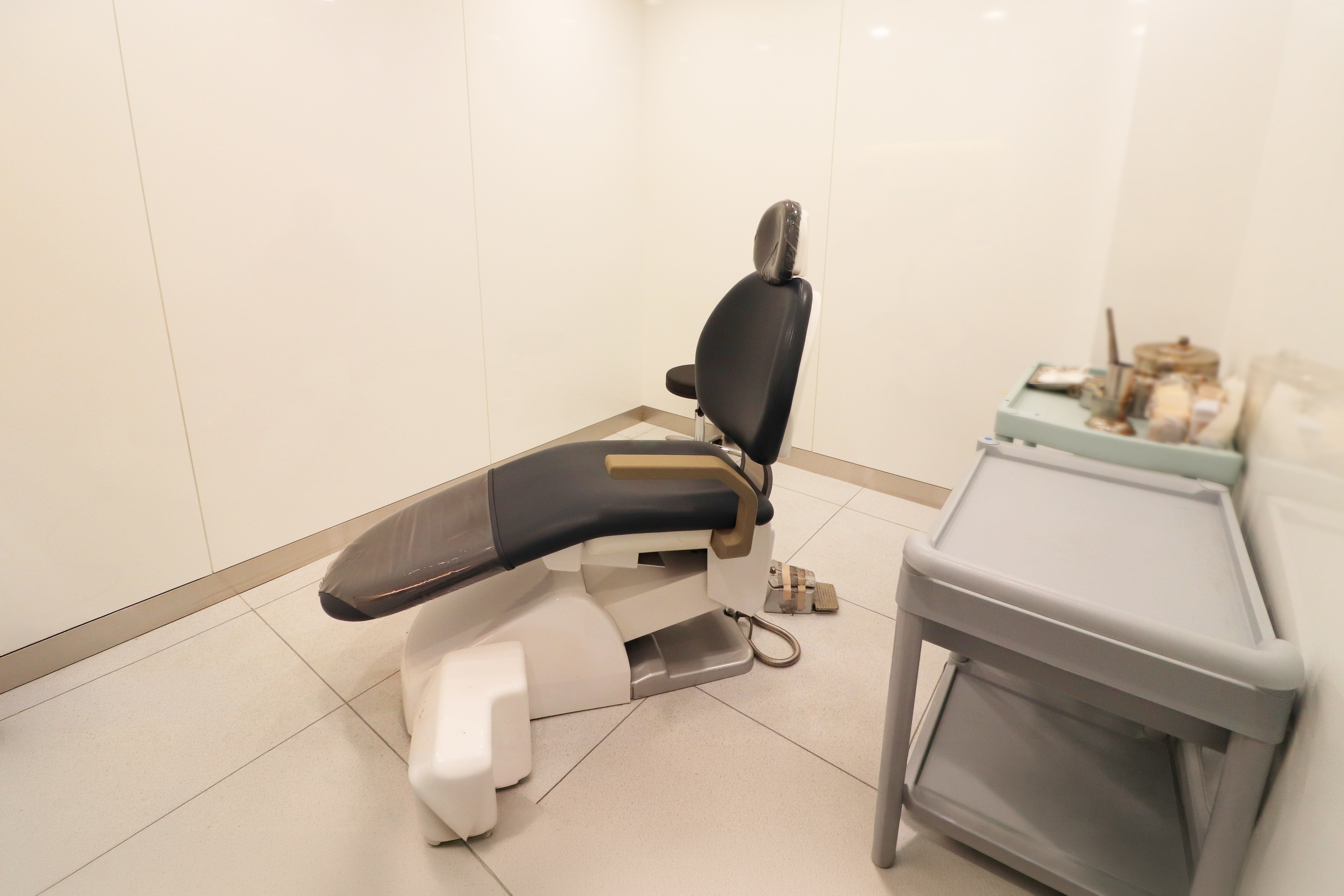
Searching for best deep plane facelift clinics in Gangnam
A search for facelift options can raise questions about technique, suitability, and what a consultation should cover. A deep plane facelift is one approach to repositioning facial tissues; it is not automatically the right choice for every patient. The useful starting point is an individual assessment, not a procedure name. At Verygood plastic surgery, prospective patients can discuss their concerns with the medical staff and ask whether a deep plane facelift is available.
What a deep plane facelift involves
In a deep plane facelift, the surgeon works beneath a layer of facial tissue called the superficial musculoaponeurotic system, often abbreviated as SMAS. The aim is to reposition deeper tissues rather than relying on skin tension alone. The incision pattern and surgical plan depend on the patient and the surgeon’s assessment. A consultation should explain which areas the proposed operation is intended to address and how the technique relates to the patient’s concerns.
Facelift terminology can be confusing because procedure names do not always describe every detail of an operation. When discussing a deep plane approach, ask the attending doctor to explain the planned tissue repositioning, likely incision placement, and whether the neck is included. It is also reasonable to ask how the proposed approach differs from other facelift techniques for your particular facial anatomy. A clear explanation is more useful than choosing a procedure solely because of its name. Results and recovery differ between individuals, and surgery cannot stop the natural aging process.
A deep plane facelift describes how facial tissues are approached during surgery, not a universal solution for every concern. The most productive consultation connects the technique to your anatomy, goals, and understanding of recovery.
Concerns to bring to a consultation
People considering facial surgery may want to discuss looseness around the lower face, changes along the jawline, or concerns about the neck. Explain which areas matter most and whether your concerns are present at rest, in photographs, or both. These details help the attending doctor understand your priorities. Ask what the proposed operation can address and what it cannot reasonably change.
It can help to describe the change you are seeking without assuming that a particular procedure is necessary. For example, a concern centered on the forehead calls for a different discussion from one centered on the lower face. Verygood plastic surgery lists an endoscopic forehead lift among its procedures; whether it is relevant depends on the concern and the medical assessment. A forehead lift should not be treated as another name for a facelift. Ask the medical staff to explain the purpose of any suggested procedure and whether it addresses the areas you have identified.
How to compare surgical approaches
When comparing options, focus on the proposed surgical plan rather than promotional labels. Ask which tissue layers will be addressed, where scars are expected, and what recovery requires. The answers should be specific to your examination and health history. You can also ask whether a different approach would be more appropriate and why. Clear expectations are an important part of an informed decision.
A procedure that suits one person may not suit another. Skin quality, facial structure, previous surgery, health conditions, and personal goals can all influence the discussion. If you have undergone facial procedures before, tell the attending doctor what was done and when, if you know. Bring relevant records or photographs when available, so the medical staff can consider them during the assessment.
| Consultation topic | Question to ask |
|---|---|
| Technique | Which tissues would the operation address? |
| Treatment area | Would the plan address the lower face, neck, or another area? |
| Incisions | Where would scars be expected? |
| Recovery | What restrictions and follow-up care should I anticipate? |
Use these questions to compare explanations, not to look for identical answers. Surgical plans should reflect individual circumstances, and a responsible discussion includes limitations as well as potential benefits. Before proceeding, make sure you understand the proposed procedure, its alternatives, and the steps involved in recovery. If a term is unfamiliar, ask the medical staff to explain it in plain language.
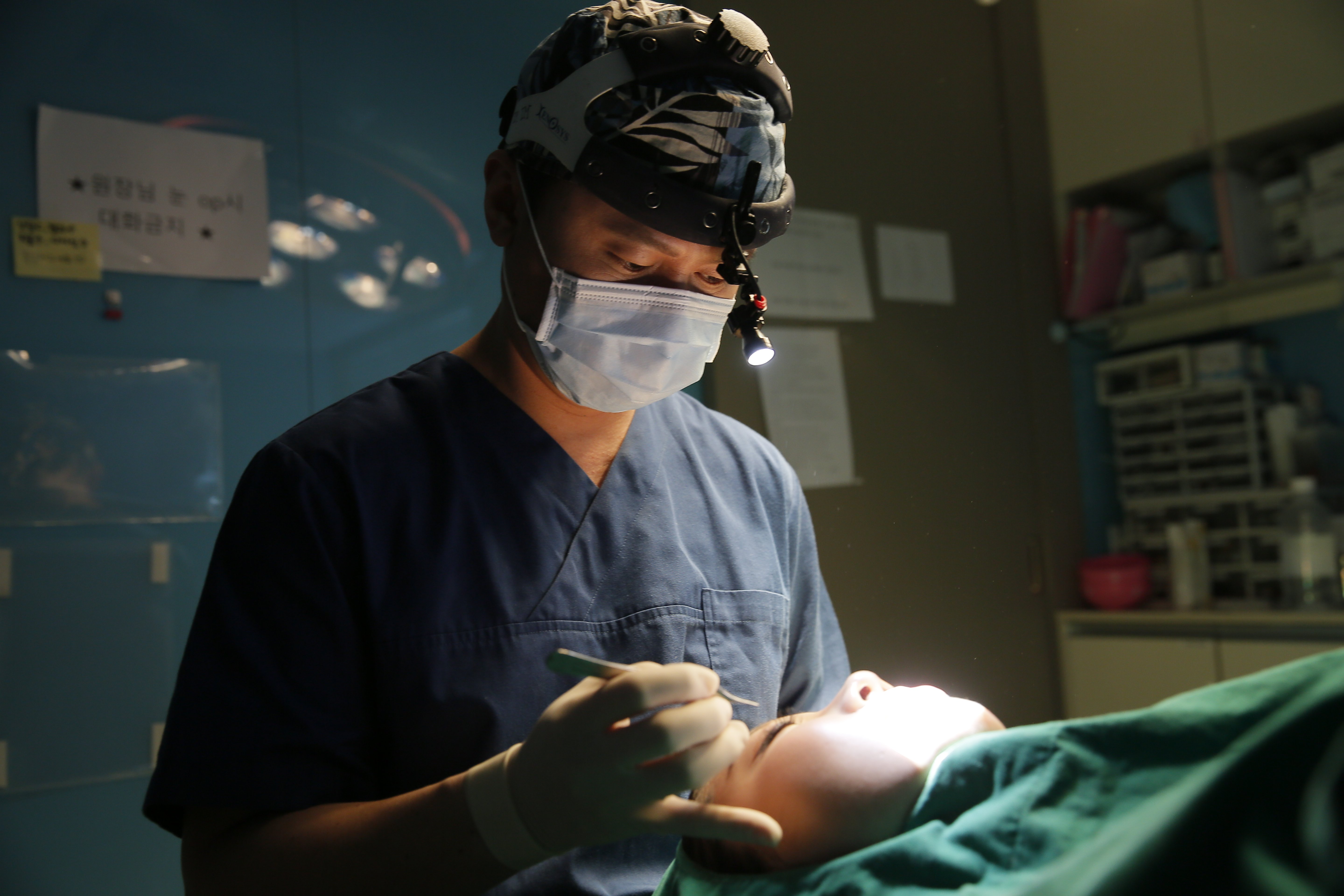
Consultations for best deep plane facelift clinics in Gangnam
A consultation is an opportunity to establish whether surgery is appropriate and whether a particular technique is available. At Verygood plastic surgery, begin by describing the areas you want assessed, then ask the medical staff about relevant options. Do not assume that a deep plane facelift is offered or recommended without discussing it with the clinic. The discussion should also cover your medical history, expectations, and any questions about anesthesia and aftercare.
Preparing your medical history
Tell the attending doctor about medical conditions, previous operations, allergies, and medications or supplements you take. Include any history of problems with anesthesia or wound healing. If you smoke or use nicotine, mention this as well, because nicotine can affect healing. The medical staff can advise you on any changes needed before surgery. Do not stop prescribed medication without guidance from the clinician responsible for it.
Preparation also means being specific about your goals. Consider which concerns you would most like to address and whether you have questions about visible scars or time away from daily activities. If you have had previous facial surgery, bring records when you can and explain any changes or complications you experienced. The attending doctor may need to consider prior incisions and tissue changes when assessing a surgical plan. If you are uncertain about a detail, say so rather than guessing. An accurate history helps the medical staff discuss whether surgery is appropriate and what further information may be needed.
A useful consultation covers both your goals and the medical factors that can affect surgery and healing. Ask directly about availability, the proposed technique, and the reasons for any recommendation.
Discussing treatment options
Verygood plastic surgery lists procedures including an endoscopic forehead lift, rhinoplasty, eyelid procedures, and facial fat grafting. These address different concerns and should not be assumed to substitute for a deep plane facelift. Ask the attending doctor which, if any, are relevant to your assessment. The discussion should distinguish a procedure’s intended treatment area from the result you personally hope to achieve.
If more than one concern is raised, ask whether the proposed plan addresses each concern and whether procedures would be considered separately or together. Combining procedures is not automatically appropriate, and the decision depends on the individual assessment. Ask how any proposed combination could affect anesthesia, recovery, and follow-up care. It is also reasonable to discuss the option of postponing surgery while you consider the information. Understanding the rationale for a recommendation matters as much as knowing the procedure’s name. Before agreeing to treatment, make sure you know which procedures are included in the plan.
Questions about the surgical plan
Ask who will perform the operation, how anesthesia will be managed, and what monitoring and follow-up are planned. You can also ask how the medical staff responds to concerns during recovery. Verygood plastic surgery describes a safe plastic surgery system; a consultation is the appropriate time to ask how that system applies to the procedure being considered.
For any proposed operation, request an explanation of the expected incision pattern and the main risks. Ask what changes are realistic for your facial features and whether further treatment might ever be needed. No surgical technique can promise a particular appearance. A clear conversation about uncertainty helps you decide whether the proposed treatment aligns with your priorities.
Take time to review the information after the consultation. You may find it useful to write down the procedure name, the areas it is intended to treat, and any instructions you need to follow. If something remains unclear, ask a follow-up question before making a decision. A well-informed decision includes understanding the option not to proceed.
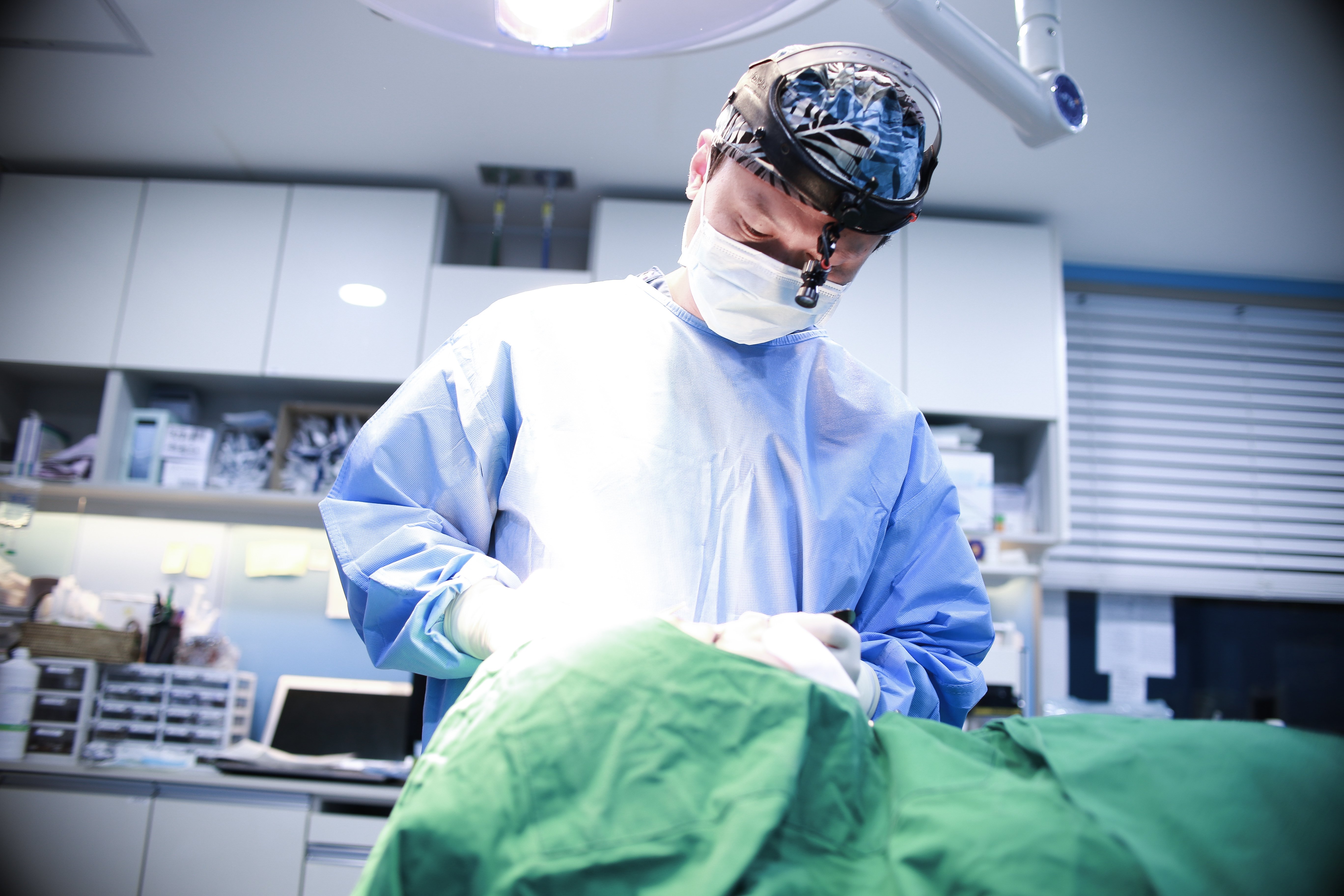
Planning for best deep plane facelift clinics in Gangnam
Planning for facial surgery involves more than choosing an operation. Patients should understand the possible benefits, the risks, the practical demands of recovery, and the cost of the proposed plan. A deep plane facelift may be discussed as an option for repositioning facial tissues, but suitability depends on an individual assessment. At Verygood plastic surgery, ask the medical staff to explain any recommendation in relation to your concerns and health history.
Potential benefits and realistic expectations
A facelift is intended to address selected changes in facial tissues. Depending on the assessment and surgical plan, the goal may involve improving the appearance of looseness in the lower face or jawline. The precise changes depend on the technique and the individual. Ask the attending doctor which areas are expected to change and whether your goals are achievable through the proposed operation.
It is equally important to discuss what surgery will not address. A facelift does not stop aging, and it should not be assumed to resolve every concern involving skin texture, the forehead, or the area around the eyes. The medical staff can explain the intended scope of any procedure under consideration. Healing also affects when changes can be assessed: swelling and bruising can temporarily obscure the appearance, and changes may take time depending on individual condition. Ask when the clinic would normally review progress and what signs should prompt you to contact the medical staff.
Potential benefits should be discussed alongside the limits of the proposed operation. An individualized plan and a clear understanding of healing make expectations more practical.
Points to consider before treatment
Facial surgery carries risks. These can include bleeding, infection, scarring, changes in sensation, unfavorable healing, and injury to facial nerves. Anesthesia also has risks, and some patients may need additional treatment if a complication occurs. The attending doctor should explain the risks relevant to your health and proposed procedure, along with the steps involved in recognizing and managing complications.
Recovery instructions depend on the operation and the patient. Before scheduling surgery, ask how much assistance you may need immediately afterward, when you can return to work or exercise, and how follow-up appointments are arranged. Discuss any practical responsibilities that could make rest or travel difficult. You should also understand which symptoms require prompt medical attention and how to contact the clinic if concerns arise. Follow the individualized instructions provided by the medical staff, and ask before taking medication or using products that were not included in your postoperative plan.
Cost and practical planning
The cost of facial surgery depends on the proposed treatment plan. Ask for a written explanation of the charges associated with the recommended procedure, including anesthesia, facility use, medications, and follow-up where applicable. Also ask how any additional treatment would be handled financially. This makes it easier to understand what is included before deciding whether to proceed.
When arranging a consultation, have a short list of questions ready and allow time to discuss your medical history. Ask whether you should bring records from previous procedures and whether photographs would help explain your concerns. If a deep plane facelift is your main interest, ask about its availability when contacting the clinic so you can plan the conversation accordingly.
Verygood plastic surgery is located at 635 Nonhyeon-ro, Gangnam-gu, Seoul, Republic of Korea. For consultation inquiries, contact the clinic at 02-596-9006. Before making a decision, review the proposed procedure, its risks, the recovery plan, and the written cost information with the medical staff.





Frequently Asked Questions
Q.What kind of clinic is Verygood plastic surgery?
A.Verygood plastic surgery is a plastic surgery clinic in Gangnam, Seoul. Its listed procedures include an endoscopic forehead lift, rhinoplasty, eyelid procedures, and facial fat grafting.
Q.Who might consider a consultation at Verygood plastic surgery?
A.A consultation may be useful for someone who wants to discuss a facial concern and understand which surgical options may be appropriate. The medical staff can assess individual goals and health history.
Q.Does Verygood plastic surgery offer a deep plane facelift?
A.Ask the medical staff about availability and whether the procedure is appropriate for your concerns. The clinic lists an endoscopic forehead lift among its procedures, which addresses a different area.
Q.What should I prepare before a facial surgery consultation?
A.Prepare information about your medical conditions, medications, allergies, and previous procedures. Bring relevant records if available and note the questions you want to ask.
Q.How can I contact Verygood plastic surgery?
A.Contact the clinic to ask about arranging a consultation and discuss the procedure you are interested in.
 Verygood plastic surgery