
Searching for “best revision rhinoplasty clinics in Gangnam”
Revision rhinoplasty is a procedure considered after a previous nose surgery when a person wants to address an appearance concern, a functional concern, or both. Choosing a clinic involves more than comparing photographs: it requires a discussion of your surgical history, current concerns, and treatment options. The right decision depends on your individual anatomy and the details of your previous procedure. Verygood plastic surgery offers corrective rhinoplasty as part of its plastic surgery services.
Start with your reasons for seeking revision
Before arranging a consultation, identify what you would like to discuss. Your concern might relate to the shape of the nose, the appearance of the tip or bridge, or breathing after an earlier operation. Be as specific as you can, while remaining open to the attending doctor’s assessment. A clear description gives the medical staff a starting point for explaining which concerns may be addressed surgically and which require further evaluation.
It also helps to distinguish between a feature you want to change and the result you hope to achieve. For example, rather than asking for a particular technique immediately, explain how the current shape concerns you and what kind of change you have in mind. If breathing is part of the concern, describe when you notice the difficulty and whether it began before or after surgery. Bring any available operative records or information about implants or grafts used previously. Prior surgical details can be useful when planning a revision, although the attending doctor will also assess your current condition. Photographs can help communicate your preferences, but an example image should be treated as a discussion aid rather than a promise of an identical result.
Revision planning begins with a clear understanding of the previous operation and the concern you want to address. A consultation is an opportunity to discuss what is appropriate for your anatomy, rather than select a procedure by name alone.
Understand what makes revision surgery different
Previous surgery can change the tissue and structure of the nose. Scar tissue, altered cartilage, or an existing implant can influence how a later operation is planned. The medical staff will need to consider these factors alongside your goals. Not every revision uses the same approach, and the choice of technique should follow an individual assessment. Asking how your earlier surgery affects the proposed plan can make the consultation more useful.
A revision may involve different decisions from an initial rhinoplasty. Depending on the examination, the attending doctor may discuss whether existing material needs attention, whether structural support is a concern, and what changes are reasonable. These are questions to explore rather than assumptions to make before an assessment. It is also useful to ask which aspects of the nose are relevant to your concern and how a proposed change might affect its overall appearance. If you have experienced complications or unexpected changes after your previous surgery, describe them in detail. An open discussion helps establish the purpose of the operation and gives you a clearer basis for deciding whether to proceed.
Compare clinics through the consultation
A useful comparison focuses on the quality of the discussion, not on an advertising claim. Ask whether the medical staff can explain the proposed plan in terms you understand, including why a technique is being considered and what its limitations are. You should also have an opportunity to discuss your medical history, previous surgery, and expectations. Verygood plastic surgery describes a safe plastic surgery system as part of its approach.
Before-and-after images can help you discuss aesthetic preferences, but individual outcomes depend on individual circumstances. Ask how examples relate to your own starting point and avoid treating another patient’s result as a prediction. A thoughtful consultation should also leave room for questions about recovery and potential complications. A decision is easier to evaluate when you understand both the proposed procedure and the reasons behind it.
| Consultation topic | What to discuss |
|---|---|
| Previous surgery | Available records, implants, grafts, and past complications |
| Current concerns | Appearance, breathing, and when any changes began |
| Proposed plan | Recommended approach, its purpose, and limitations |
| Recovery | Expected follow-up, activity restrictions, and warning signs |
Use the table as a checklist rather than a test with a single correct answer. The most relevant questions will depend on your history and the findings of the examination. If an explanation is unclear, ask the attending doctor to describe it another way. Taking notes during the consultation can help you review the plan afterward and decide whether you are comfortable with the information you have received.
Evaluating “best revision rhinoplasty clinics in Gangnam” and treatment options
Revision rhinoplasty should be planned around the problem being addressed, not simply around a preferred procedure name. Verygood plastic surgery offers corrective rhinoplasty alongside other nose surgery procedures, including rhinoplasty using costal cartilage. These options provide a starting point for discussion; suitability depends on the examination and surgical history. A proposed technique should have a clear purpose in your individual treatment plan. Ask the attending doctor to explain that purpose before making a decision.
Discuss the corrective rhinoplasty plan
Corrective rhinoplasty is intended to address concerns following an earlier nose procedure. During a consultation, describe the result you currently have and the change you are considering. The attending doctor can discuss the nasal structures involved and whether surgery is an appropriate option. If you have both appearance and breathing concerns, raise both: each may be relevant to planning, even if your main reason for visiting is aesthetic.
Ask the medical staff what the proposed operation is intended to change and whether any parts of the result are less predictable because of your previous surgery. You can also ask how the plan accounts for scar tissue or any material used in the earlier procedure. A clear explanation should distinguish your goals from what the attending doctor considers achievable. It is reasonable to discuss alternatives, including whether more assessment or time is needed before deciding on surgery. A plan you understand is more useful than a procedure label on its own. Take time to consider the explanation and ask follow-up questions if the expected changes or limitations are unclear.
Corrective rhinoplasty is not a single, interchangeable procedure. The proposed approach should reflect the earlier surgery, the current examination, and the changes you want to discuss.
Ask about cartilage and other materials
Cartilage may be discussed when structural support or reshaping is part of a rhinoplasty plan. Costal cartilage, also known as rib cartilage, is among the nose surgery options offered at Verygood plastic surgery. That does not mean it is necessary or suitable for every revision. Ask the attending doctor why a particular material is being considered and how it relates to the structure of your nose.
If cartilage is proposed, discuss its intended role and the considerations associated with obtaining and using it. If your previous procedure involved an implant or graft, share any records you have and ask whether the earlier material affects the current plan. You can also ask what alternatives the attending doctor considers appropriate for your case. The aim is not to choose a material in isolation, but to understand how each decision fits the overall procedure. Material selection is an individual clinical decision, and no single option is appropriate for every patient. Make sure you understand the explanation before agreeing to a treatment plan.
Set realistic expectations
Revision surgery is a personal decision, and the expected degree of change should be discussed openly. Ask the attending doctor which concerns the proposed procedure aims to address and whether any features may remain unchanged. Your existing anatomy and surgical history can affect the options available. It is also reasonable to ask how the plan balances your aesthetic preferences with structural and functional considerations.
Recovery is another part of setting expectations. Swelling and healing can affect how the nose looks after surgery, and changes may take time depending on individual condition. Ask when follow-up appointments are expected and how the medical staff will assess healing. The attending doctor can explain what to expect for your proposed procedure and provide instructions tailored to your circumstances.
Photographs and descriptions can support a conversation about goals, but results are individual. If a proposed outcome sounds unclear, ask the attending doctor to explain the likely limits as well as the intended changes. You should feel able to discuss uncertainty before deciding whether to proceed. A considered decision includes understanding the procedure, the recovery process, and the possibility that your expectations may need adjustment.
Preparing to visit “best revision rhinoplasty clinics in Gangnam”
Preparation can make a consultation more productive. Gather information about your previous nose surgery, list your current concerns, and write down questions about the proposed treatment. If you have relevant medical records, bring them for the medical staff to review. Clear information about your history helps the attending doctor assess your concerns in context. You can also use the visit to discuss practical matters, including recovery, follow-up, and the cost of a proposed plan.
Bring the information you have
Useful records may include the name of the previous procedure, details of any implant or graft, and information about complications or additional treatments. If you do not have records, describe what you remember and tell the medical staff about any changes you have noticed. Bring a list of medications and relevant health conditions so the attending doctor can consider them during the consultation.
It may help to prepare a short timeline of your nose surgery and subsequent concerns. Note whether the issue was present immediately after the operation or appeared later, and explain any previous assessment or treatment you have received. If breathing is a concern, describe how it affects you rather than assuming the cause. You can also bring photographs that illustrate your preferences, provided you understand that another person’s result may not be achievable for your anatomy. Organizing these details before the appointment gives you more time to discuss the proposed plan and ask questions. If you are unsure whether a piece of information matters, mention it and let the medical staff decide how it relates to your assessment.
A useful consultation starts with an accurate account of your surgical and medical history. Bringing records and questions can help you understand the proposed plan and its limits.
Points to consider before treatment
As with any surgery, revision rhinoplasty involves risks. Potential complications can include bleeding, infection, scarring, and an outcome that differs from expectations. The attending doctor can explain the risks relevant to your health and proposed procedure, including any considerations related to anesthesia. Ask how concerns are assessed after surgery and what signs should prompt you to contact the medical staff.
Discuss recovery instructions before making arrangements for surgery. Ask about activity restrictions, follow-up visits, and any practical support you might need during the initial recovery period. Individual circumstances and the procedure performed will affect the advice you receive. If you have a medical condition or take medication, tell the medical staff rather than making changes to your treatment on your own. It is also worth asking how to contact the clinic if you have a concern after the procedure. Understanding the potential risks and the follow-up plan is part of informed decision-making. Take the time you need to consider the information and ask for clarification before proceeding.
Discuss practical arrangements
Cost depends on the treatment plan and the care involved. Ask for an explanation of what the proposed fee covers, including any relevant follow-up, so you understand the financial commitment before deciding. You can also ask how the clinic arranges consultations and what information to provide when making an appointment. The medical staff can explain the next steps after assessing your concerns.
Scheduling should take your recovery needs into account. Rather than relying on a general timeline, ask the attending doctor how the proposed procedure could affect work, exercise, and other commitments. The answer will depend on your condition and treatment plan. Discuss any upcoming obligations so you can make an informed decision about timing and follow the instructions provided for your care.
Finally, review your notes and consider whether the consultation addressed your main questions. You should understand the purpose of the proposed procedure, the material or technique being considered, the relevant risks, and the expected follow-up. If you need clarification, raise the question with the medical staff before making a decision. A clear, individualized discussion is a practical foundation for choosing care.





Frequently Asked Questions
Q.What services does Verygood plastic surgery offer?
A.Verygood plastic surgery offers plastic surgery services, including corrective rhinoplasty and other nose surgery procedures. Its services also include eye, breast, facial contouring, anti-aging, and body procedures.
Q.Who might consider corrective rhinoplasty?
A.Someone with concerns about the appearance or function of the nose after previous surgery may wish to discuss corrective rhinoplasty with the medical staff. Suitability depends on an individual assessment.
Q.What nose surgery options can I discuss?
A.Verygood plastic surgery offers corrective rhinoplasty and rhinoplasty using costal cartilage. The attending doctor can discuss which approach, if any, is appropriate for your circumstances.
Q.What should I prepare for a consultation?
A.Bring any available records from your previous nose surgery and a list of your concerns, medications, and relevant health conditions. Questions about the proposed procedure and recovery can also help guide the discussion.
Q.Where is Verygood plastic surgery, and how can I contact the clinic?
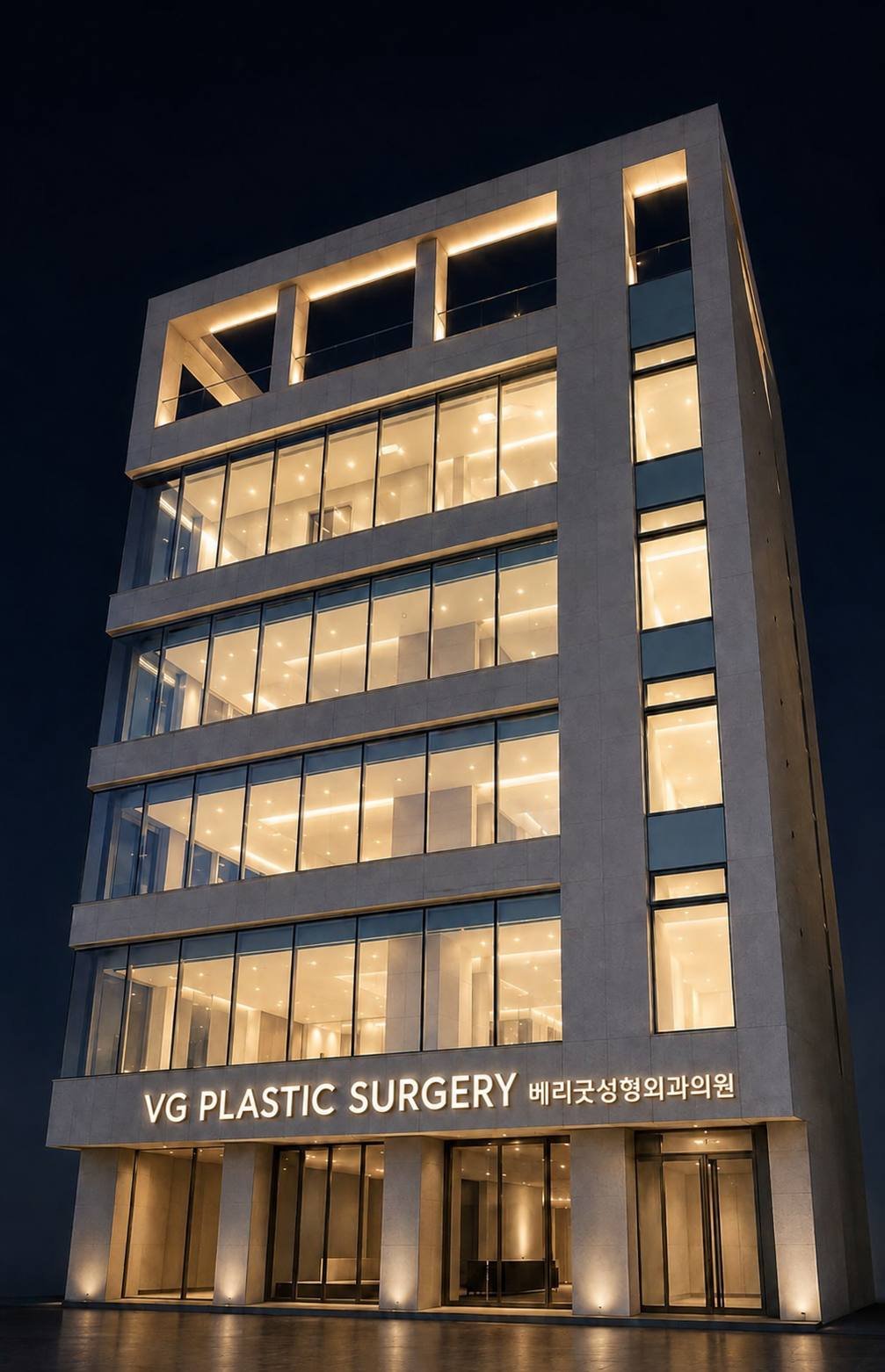
A.Verygood plastic surgery is at 635 Nonhyeon-ro, Gangnam-gu, Seoul, Republic of Korea. Call 02-596-9006 to ask about a consultation.
 Verygood plastic surgery