
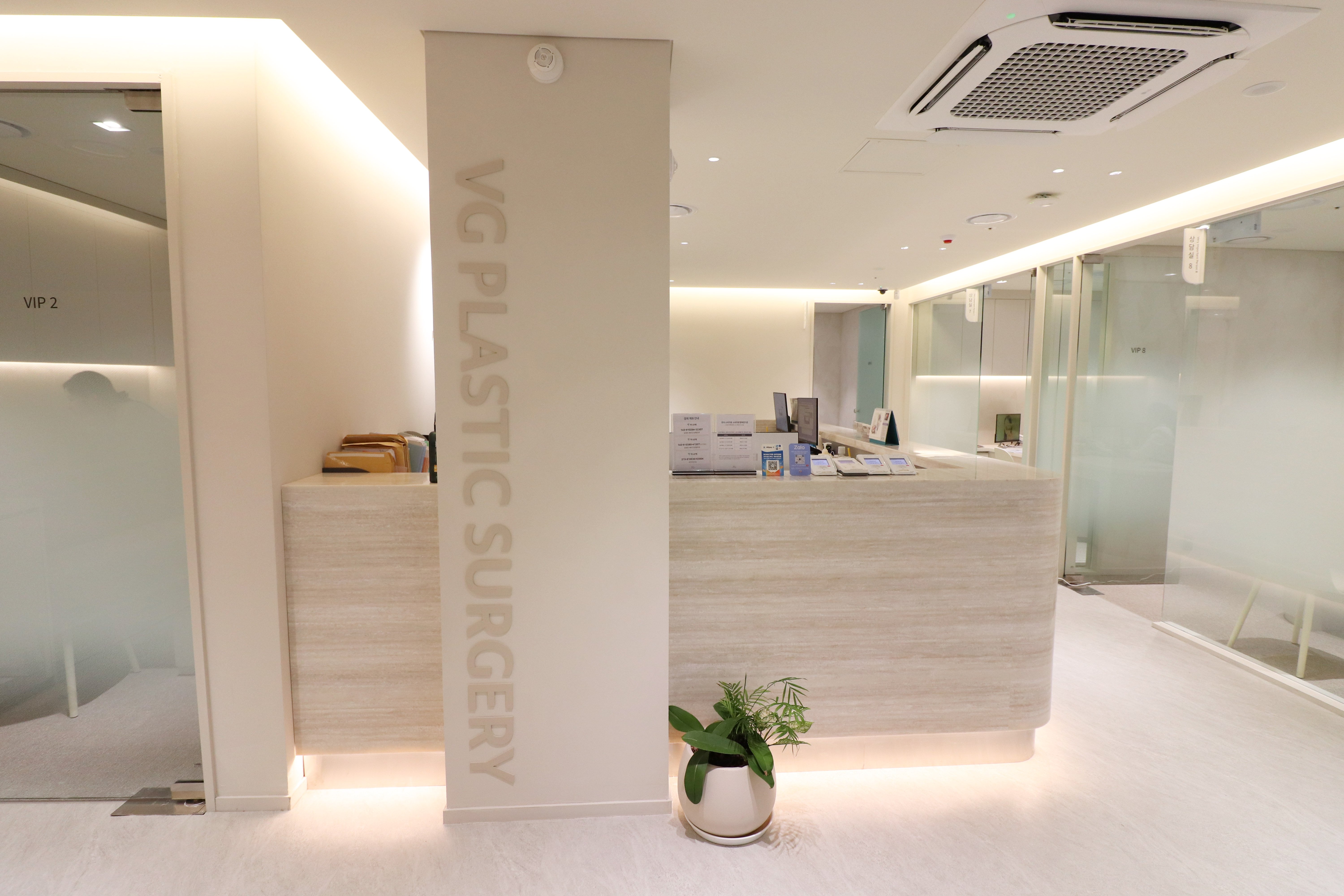
Korea plastic surgery clinics for international patients: Planning a consultation
Choosing a procedure abroad involves more than deciding what you would like to change. You also need to understand how the operation is performed, what recovery involves and whether your travel schedule allows enough time for follow-up. Verygood plastic surgery provides consultations for procedures including eye surgery, rhinoplasty, breast surgery, facial contouring and body liposuction. A consultation is an opportunity to discuss your goals and learn which options are appropriate for your circumstances. Prepare questions in advance so you can make an informed decision without feeling rushed.
Start with your goals and medical history
Describe the feature or concern you want to address in straightforward terms. For example, you might want to discuss the shape of your eyelids, a change to your nose or a facial contouring procedure. It can help to bring photographs that illustrate your preferences, while recognizing that another person’s result is not a prediction of your own. The medical staff can explain how your anatomy and health affect the options available to you.
Bring an accurate account of previous operations, medical conditions, allergies and medications, including supplements. If you have had surgery on the area before, share any records you can obtain and explain what was done and when. Previous treatment can affect the assessment, particularly when considering revision eyelid surgery or revision rhinoplasty. Be candid about smoking and other factors relevant to healing, and tell the medical staff about any upcoming commitments that could affect recovery. Your medical history is as important to the discussion as your aesthetic goals. A clear account helps the attending doctor assess your circumstances and explain what further information may be needed before a treatment plan is agreed.
A useful consultation starts with a clear description of your goals and a complete medical history. Both help the medical staff assess which procedures warrant discussion and what precautions may be relevant.
Compare procedures, not just photographs
Before-and-after photographs can help you describe the kind of change you are considering, but they should be interpreted alongside a medical assessment. Ask which procedure was performed and whether the starting anatomy resembles yours. Lighting, angles and the stage of recovery can affect how an image appears. Use photographs as a conversation aid, not as a promise of a particular outcome. The attending doctor can explain what a proposed procedure is intended to address.
It is also useful to ask how different techniques relate to your specific concern. An eyelid consultation, for example, may involve a discussion of double eyelid surgery, canthoplasty or correction of a previous eyelid procedure. A rhinoplasty consultation may cover the nasal bridge, tip or a previous operation. These are distinct concerns, and not every technique is suitable for every patient. Ask the medical staff to explain the proposed approach in plain language, including whether an incision or graft is involved and why the option is being considered. If more than one approach is discussed, ask how the expected recovery and limitations differ. You should understand the treatment plan before deciding whether to proceed.
Make practical arrangements before travelling
International travel adds logistical questions to the usual preparation for surgery. Before booking, discuss the proposed consultation and treatment schedule, the expected recovery period and any follow-up the attending doctor recommends. Avoid assuming that you can travel home immediately after a procedure. The appropriate timing depends on the operation and your individual condition, so build flexibility into your plans until the medical staff has assessed you.
Ask what records to bring, whether you need to stop or adjust any medication, and what assistance you might need during recovery. Do not change prescribed medication without guidance from the clinician responsible for it. You can also discuss how to communicate with the medical staff after returning home and what to do if a concern arises during travel. Understanding these arrangements before treatment can help you plan your stay more realistically.
| Preparation topic | What to discuss |
|---|---|
| Medical history | Conditions, allergies, medications and previous procedures |
| Treatment plan | Proposed technique, alternatives and relevant limitations |
| Recovery | Aftercare instructions, follow-up and suitable travel timing |
| Costs | What the quoted treatment plan includes |
Costs depend on the proposed treatment and individual circumstances. Rather than comparing a single figure in isolation, ask what is included in the quoted plan and whether follow-up or other care is addressed. This makes it easier to understand the financial commitment before scheduling treatment. Keep a written record of the answers alongside your travel arrangements and medical documents, and ask for clarification on anything you do not understand.
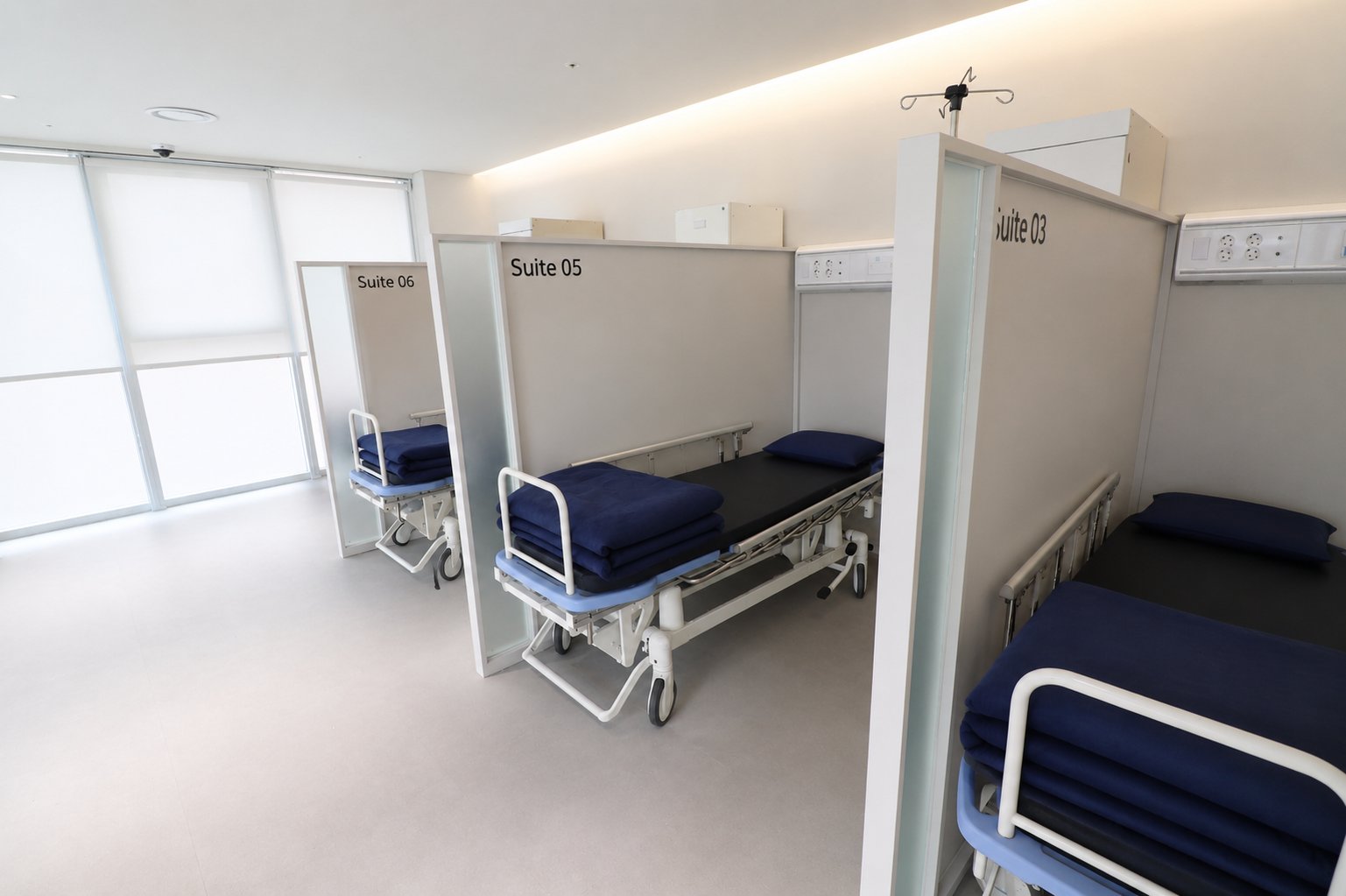
Korea plastic surgery clinics for international patients: Understanding procedure options
Verygood plastic surgery offers procedures across several areas of plastic surgery. The appropriate choice depends on the concern being assessed, your medical history and the attending doctor’s examination. Procedure names describe different techniques; they are not interchangeable. A consultation can help you distinguish an operation intended to change shape from one intended to revise an earlier procedure. The sections below introduce services available at Verygood plastic surgery and questions worth asking before choosing a treatment plan.
Eye and nose surgery
Eye surgery services include double eyelid surgery, canthoplasty, under-eye fat transfer and eyelid revision. The available techniques also include natural adhesion and nonincisional ptosis correction. Each addresses a different concern, so explain whether you are considering a first procedure or seeking a change after previous surgery. Ask how the proposed technique relates to your eyelid anatomy, what recovery involves and whether further assessment is needed before treatment.
Rhinoplasty options include augmentation, tip plasty, alar reduction and correction of concerns such as a hump or a deviated nose. Revision rhinoplasty is also offered, including procedures using rib cartilage. During a consultation, ask which parts of the nose the proposed plan addresses and whether cartilage or another material is involved. If you have had a prior operation, explain the previous technique and any ongoing concerns. The medical staff can discuss how that history affects planning. For both eye and nose surgery, ask about incision placement, potential complications and the expected course of healing. Changes may take time depending on your individual condition, and the appearance during early recovery should not be treated as the final result.
Eye and nose procedures are selected for different anatomical concerns. A clear explanation of the proposed technique, materials and recovery is more useful than choosing by procedure name alone.
Breast, facial contouring and body procedures
Breast surgery services include augmentation, reduction and procedures involving the nipple, areola or accessory breast tissue. Surgery for gynecomastia is also offered. Each consultation should begin with the concern you want to address and an assessment of your health. Ask the attending doctor to explain the proposed operation, its potential risks and the recovery requirements. If a material or implant is part of the plan, discuss its role and the considerations associated with it.
Facial contouring services include cheekbone reduction, square jaw reduction and chin surgery. Verygood plastic surgery also offers facial liposuction and body liposuction, including mini liposuction. These procedures involve different parts of the body and require individual assessment. Ask what the proposed operation is intended to change, where incisions would be made and what care is needed afterward. For facial contouring, discuss how the plan relates to your facial structure rather than relying solely on a desired image. For liposuction, ask which areas are being assessed and what recovery instructions apply. A detailed conversation about the scope of treatment can help you decide whether the proposed approach matches your goals and practical circumstances.
Facial rejuvenation and other options
Facial rejuvenation services include face lifting, endoscopic forehead lifting and thread lifting. Verygood plastic surgery also offers platelet-rich plasma treatment and micro fat grafting. These options differ in technique and scope, so ask what each proposed treatment is intended to address. The medical staff can explain whether a surgical or nonsurgical approach is relevant to your concern and what recovery considerations apply to the option being discussed.
When reviewing a plan, ask whether it involves one procedure or a combination, and how the treatments relate to your stated goals. A longer list of procedures does not automatically make a plan more suitable. Ask for a rationale for each proposed treatment, including its potential benefits, limitations and risks. Take time to consider the explanation and raise any concerns before giving consent.
It is reasonable to ask about alternatives, including whether you need more time to decide. The attending doctor should be able to explain the proposed approach in terms you understand. If you have questions about a prior operation or a particular technique, bring them to the consultation rather than relying on a procedure label. An informed decision rests on the details of your own assessment and treatment plan.
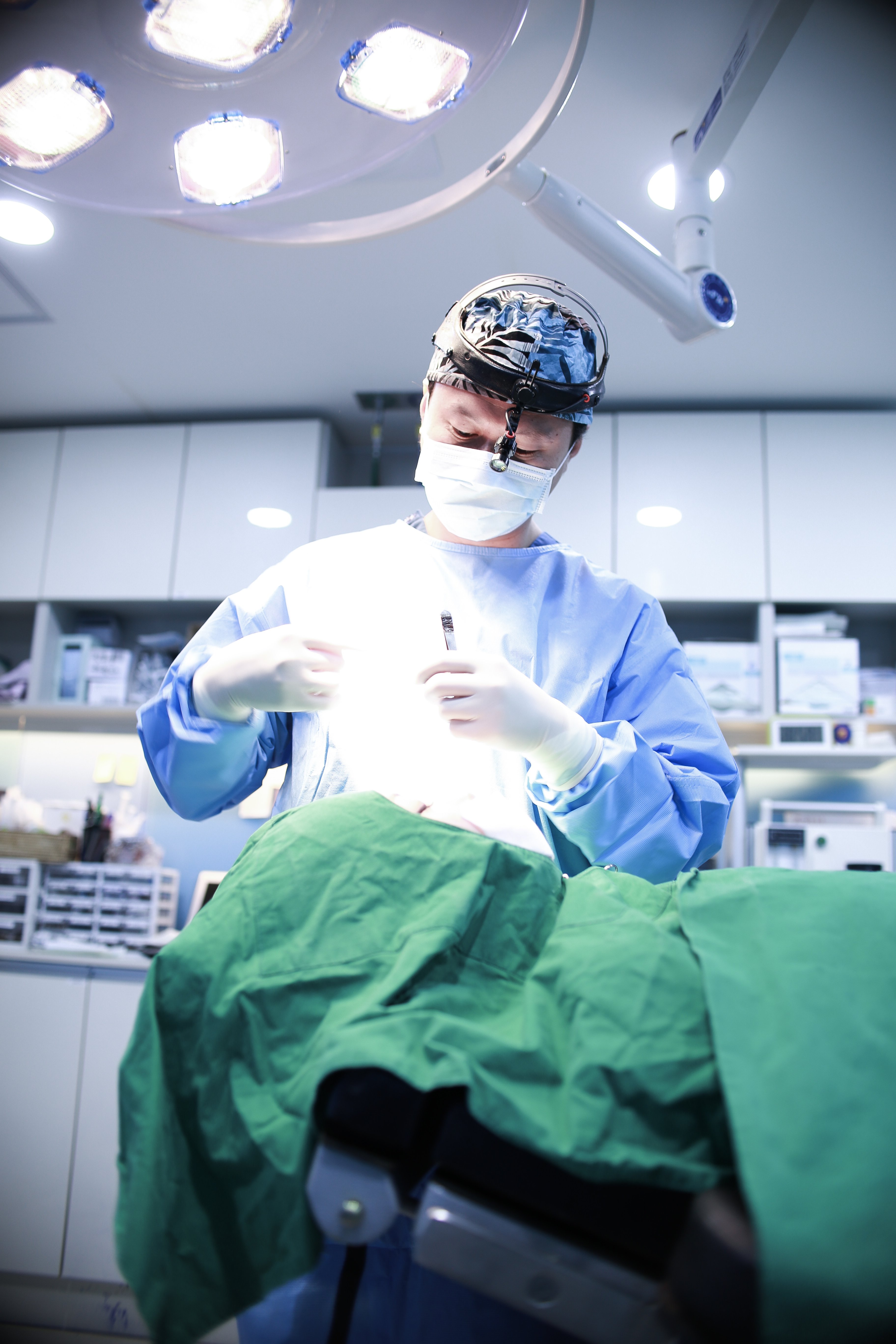
Korea plastic surgery clinics for international patients: Recovery and follow-up
Recovery planning should begin before treatment, especially when you are travelling from abroad. The instructions you receive will depend on the procedure and your health. Discuss how long you should remain available for recommended follow-up, what activities to avoid and when travel may be appropriate. Keep enough flexibility in your itinerary to respond to the medical staff’s advice. An operation, the journey home and any return to work should be considered as parts of the same plan.
Understand the expected recovery process
Ask the attending doctor what you can expect after the proposed procedure and which changes should prompt a call for advice. Swelling, bruising and discomfort can occur after surgery, although the experience and duration differ by procedure and individual. Discuss wound care, medication instructions and any restrictions on exercise or other activities. Make sure you understand when and how the medical staff wants to review your progress.
Before leaving the consultation, ask for aftercare instructions you can refer to during your stay and after returning home. Clarify how to care for incisions or dressings if relevant, which medicines to take and whom to contact with questions. You should also understand the signs that require urgent medical attention. If you develop severe symptoms or believe you are experiencing an emergency, seek immediate local medical care rather than waiting for a routine reply. Avoid making assumptions based on another patient’s recovery: your procedure, health and healing process may differ. Follow the instructions given for your own treatment and report concerns promptly.
Recovery guidance should be specific to your procedure and circumstances. Discuss follow-up and travel timing before treatment, and know how to seek help if an urgent concern develops.
Points to consider before treatment
Every operation carries potential risks, and the relevant considerations depend on the procedure. Ask about possible complications, scarring, anesthesia and the possibility that a result may not match your expectations. If revision surgery is being considered, discuss how previous treatment may affect the proposed plan. An honest conversation about uncertainty is part of informed consent. Give yourself time to weigh the information before committing to treatment.
Verygood plastic surgery describes a safe plastic surgery system as part of its approach. During your consultation, ask the medical staff to explain the safety measures relevant to your proposed procedure, including assessment, anesthesia and postoperative care. You can also ask what happens if additional care is needed after you return home. Do not assume that any procedure is risk-free or that a particular outcome can be assured. Instead, focus on understanding the recommended plan, the reasons for it and your responsibilities during recovery. If you are unsure about any part of the explanation, ask for clarification before signing consent forms or making travel commitments.
Prepare for follow-up and the journey home
Before scheduling your departure, ask whether follow-up visits are recommended and how your recovery will be assessed. If you need to travel soon after treatment, raise that constraint during the consultation rather than after surgery. The attending doctor can discuss whether your proposed itinerary is compatible with the planned care. Keep your aftercare instructions and relevant medical documents accessible throughout your journey.
Once home, follow the individualized instructions you received and contact the medical staff if you have questions about your recovery. If you require urgent attention locally, share the details of your procedure with the clinician treating you. Planning for communication in advance can make it easier to explain your situation. It is also useful to keep a copy of your treatment information with your other medical records.
Finally, take time to review the entire plan: your goals, the recommended procedure, its risks, the quoted costs and the practical requirements of recovery. A considered decision should fit both your medical circumstances and your ability to follow the aftercare advice. If an aspect of the plan remains unclear, bring it back to the medical staff for discussion before proceeding.




Frequently Asked Questions
Q.What services does Verygood plastic surgery offer?
A.Verygood plastic surgery offers eye and nose surgery, breast surgery, facial contouring, facial rejuvenation and body liposuction.
Q.Who might consider a consultation?
A.A consultation may be useful for someone considering a first procedure or a revision of previous eyelid or nose surgery. The attending doctor can assess the individual concern and discuss appropriate options.
Q.What kinds of rhinoplasty are available?
A.Services include augmentation rhinoplasty, tip plasty, alar reduction and revision rhinoplasty, including procedures using rib cartilage. The proposed technique depends on the individual assessment.
Q.What should I prepare for a consultation?
A.Bring details of your medical conditions, medications, allergies and any previous procedures. You can also prepare questions about the treatment plan, recovery and travel timing.
Q.Where is Verygood plastic surgery, and how can I contact the clinic?
A.Verygood plastic surgery is at 635 Nonhyeon-ro, Gangnam-gu, Seoul, Republic of Korea. Call 02-596-9006 for consultation enquiries.
 Verygood plastic surgery