
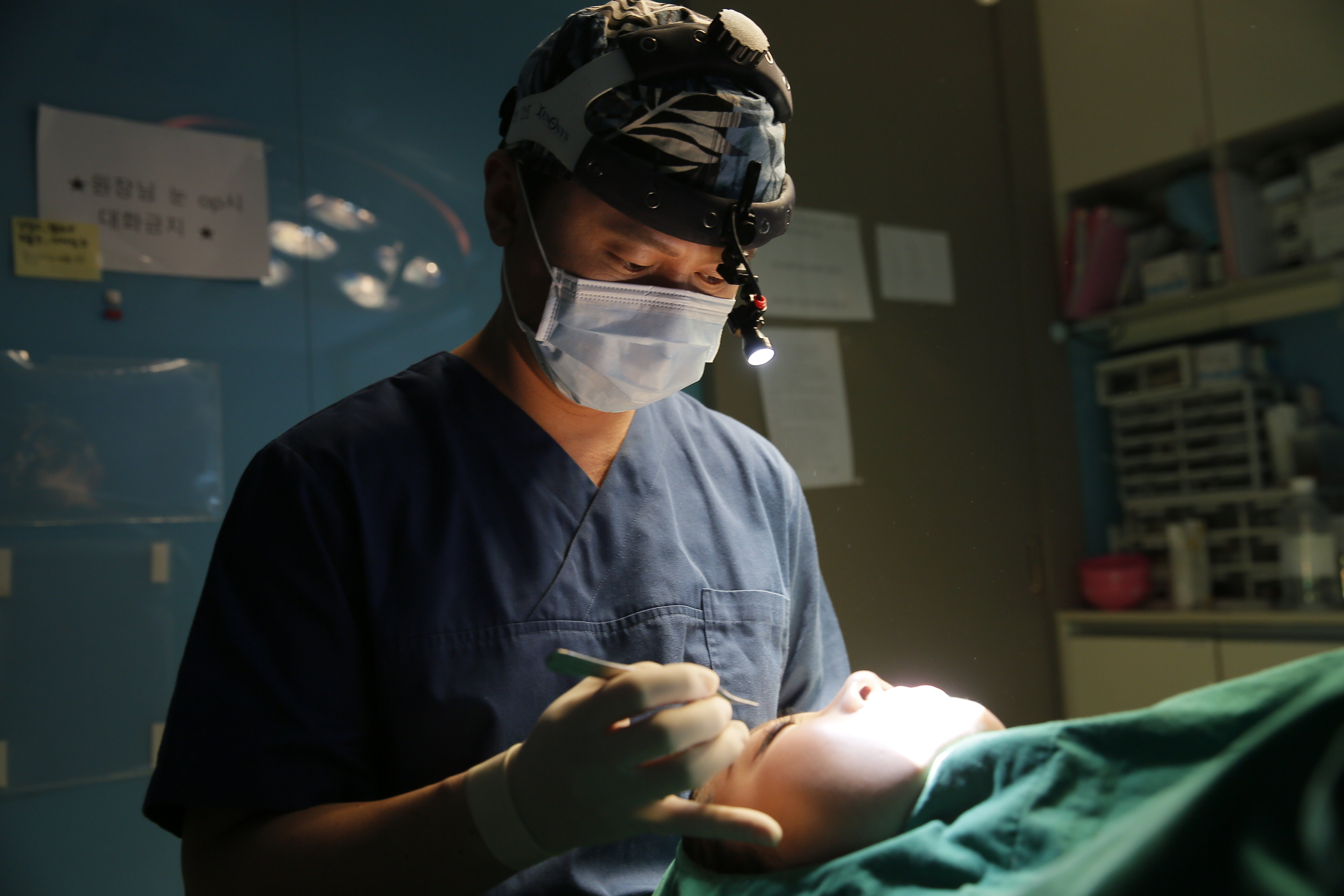
How to evaluate plastic surgery clinics with board certified surgeons
Board certification is one factor to check when considering plastic surgery, but it should not replace a detailed conversation about a surgeon’s training, experience with the planned procedure, and approach to patient safety. Ask who will assess you, who will perform the operation, and how care is coordinated before and after treatment. Verify credentials directly rather than relying on broad promotional language. At Verygood plastic surgery, medical staff information is identified among the clinic’s information resources. Review the details and discuss any questions during a consultation.
What board certification can tell you
Board certification indicates that a physician has met specific professional requirements set by a certifying body. Requirements and recognized certifications can differ by country and specialty, so patients should check the issuing organization and what the credential covers. The title alone does not tell you whether a surgeon’s experience matches your planned procedure. Ask about the credentials relevant to the exact surgery under consideration, and request a clear explanation of the surgeon’s role in your care.
When comparing plastic surgery clinics with board certified surgeons, look for precise, verifiable information rather than relying on a general claim. A useful consultation should make it clear who evaluates you, who performs the procedure, and who is responsible for follow-up. Ask how the surgeon approaches the specific concern you want addressed and what alternatives might be appropriate. These questions help you understand the basis of the treatment plan without treating certification as a promise of a particular result. Credential checks and procedure-specific questions are complementary parts of an informed decision. At Verygood plastic surgery, patients can consult the medical staff information and ask the attending doctor to explain relevant qualifications directly.
Certification is an important credential to verify, but it is only one part of choosing a surgeon. Pair that check with direct questions about the planned procedure, the surgeon’s role, and ongoing care.
Questions to ask during a consultation
Bring a concise list of questions so the consultation covers your priorities. Ask which procedure is being recommended and why, what other approaches may be considered, and what recovery typically involves for that procedure. Clarify who will perform each stage of care and how to contact the clinic with concerns. A clear explanation should connect your goals with the proposed plan, rather than treating a procedure as suitable for everyone.
It is also useful to ask how your medical history, current medications, and previous procedures could affect planning. For revision surgery, explain what was done previously and bring relevant records if available. Ask what risks and limitations apply to your case, how follow-up is arranged, and what signs after surgery require prompt attention. These details help you assess whether you understand the plan before making a decision. Take time to review the answers and ask for clarification where needed. A responsible discussion should allow you to weigh the expected changes, recovery commitments, and alternatives without pressure or a guarantee of results.
Looking beyond a credential
Safety is shaped by the whole care process, not by a credential in isolation. Ask how your suitability is assessed, what information is needed before surgery, and how follow-up is handled. The clinic identifies a Safe Plastic Surgery System as a core feature. During consultation, ask what this means for your assessment and care pathway, and request explanations that relate specifically to your planned procedure.
Before deciding, consider whether the consultation answers practical questions in plain language. You should know which procedure is proposed, what the operation is intended to address, and what factors could affect recovery. Discuss any prior surgery, health conditions, or medications openly so the medical staff can consider them in planning. If you are uncertain about a recommendation, ask for more detail before consenting. A careful decision depends on a combination of transparent communication, procedure-specific planning, and verified credentials. Changes may take time depending on individual condition, and no credential or clinic process can guarantee a particular outcome.
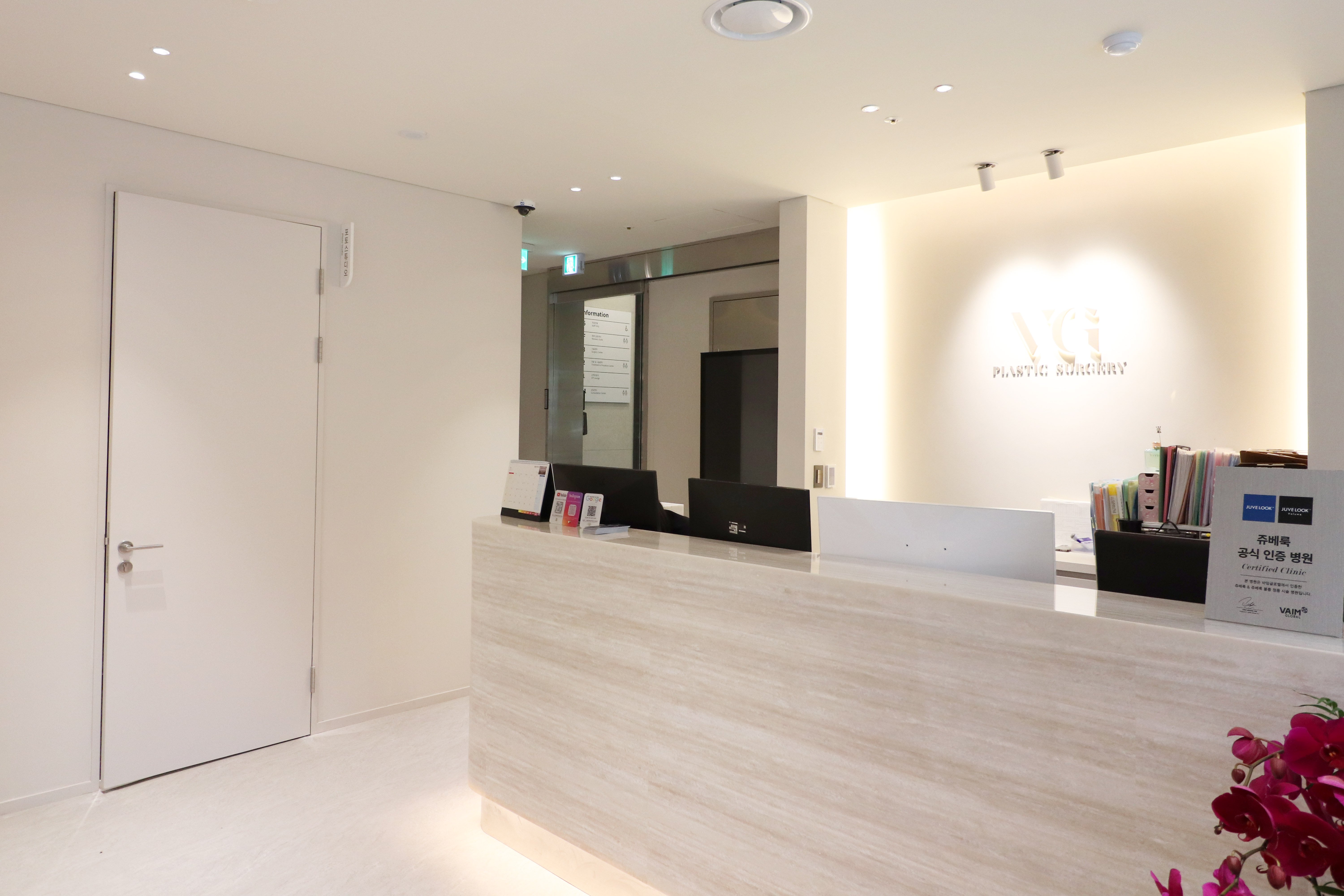
Procedures at plastic surgery clinics with board certified surgeons
Plastic surgery includes procedures addressing different areas and concerns, so the name of an operation alone does not determine whether it is right for you. Verygood plastic surgery lists nasal procedures, eyelid procedures, facial contouring, and fat grafting among its services. The appropriate option depends on an individual assessment and discussion of goals, medical history, and recovery. Ask the medical staff to explain what each proposed procedure involves and why it may be considered for your situation.
Nasal surgery options
Listed nasal procedures at Verygood plastic surgery include augmentation rhinoplasty with tip plasty, tip plasty, osteotomy, hump nose surgery, alar reduction, and treatment for a deviated nose. Revision rhinoplasty options include self rib cartilage and donated rib cartilage. These terms describe different approaches or components of nasal surgery; they are not interchangeable recommendations. The medical staff can explain which options relate to your anatomy and goals.
A consultation for nasal surgery should cover the concern being addressed, the proposed technique, and how the plan accounts for the shape and structure of the nose. If the discussion includes augmentation rhinoplasty with tip plasty, ask what each part is intended to address. For revision rhinoplasty, tell the attending doctor about previous operations and any graft material used, if known. Ask how the choice between self rib cartilage and donated rib cartilage is considered, and what that choice means for your individual plan. Do not assume a technique is suitable based on its name alone. Clarify recovery expectations, potential risks, and follow-up before deciding. The outcome and timeline can differ by individual condition, so a consultation should set realistic expectations rather than promise a specific appearance.
Nasal procedures may involve distinct techniques, materials, and goals, including approaches for revision cases. The right discussion is specific to your history and anatomy, not simply a choice from a procedure list.
Eyelid and eye-area procedures
Verygood plastic surgery lists revision eyelid surgery with incision, natural adhesion, nonincisional ptosis correction, epicanthoplasty, lateral canthoplasty, and vertical lengthening. These procedures address different features of the eye area and may be considered separately or in combination depending on the assessment. Ask the attending doctor to explain the purpose of each proposed step and how it relates to your concerns.
If you are considering eyelid or eye-area surgery, describe what you would like to change and whether you have had previous treatment. Ask what an incision-based revision involves compared with a nonincisional approach, when either is considered, and what limitations apply to your case. If the plan includes epicanthoplasty, lateral canthoplasty, or vertical lengthening, request a clear explanation of the area each procedure addresses. The consultation should also cover recovery, follow-up, and possible risks. Understanding the purpose of every component helps you make an informed choice. Do not rely on a procedure name to predict a result; individual anatomy and medical history shape planning and recovery.
Facial contouring and fat grafting
The clinic’s listed services also include cheekbone reduction, ACCU sculpt, and fat grafting, including full-face fat grafting. These procedures differ in their purpose and approach. Ask how the recommendation relates to your facial features, what areas are involved, and whether another approach could address your goals. The attending doctor can explain which options are relevant after assessment.
When discussing facial contouring, ask what the proposed treatment is intended to change and how the plan accounts for your overall facial structure. If fat grafting is suggested, clarify the areas under consideration and what the procedure entails in your case. Ask about recovery, follow-up, and factors that may affect the result. A consultation should address the balance between your goals and the limits of the procedure, rather than treating a listed service as automatically appropriate. Request a specific explanation of the plan before consenting, especially if more than one procedure is being discussed. Changes may take time depending on individual condition, and results cannot be guaranteed.
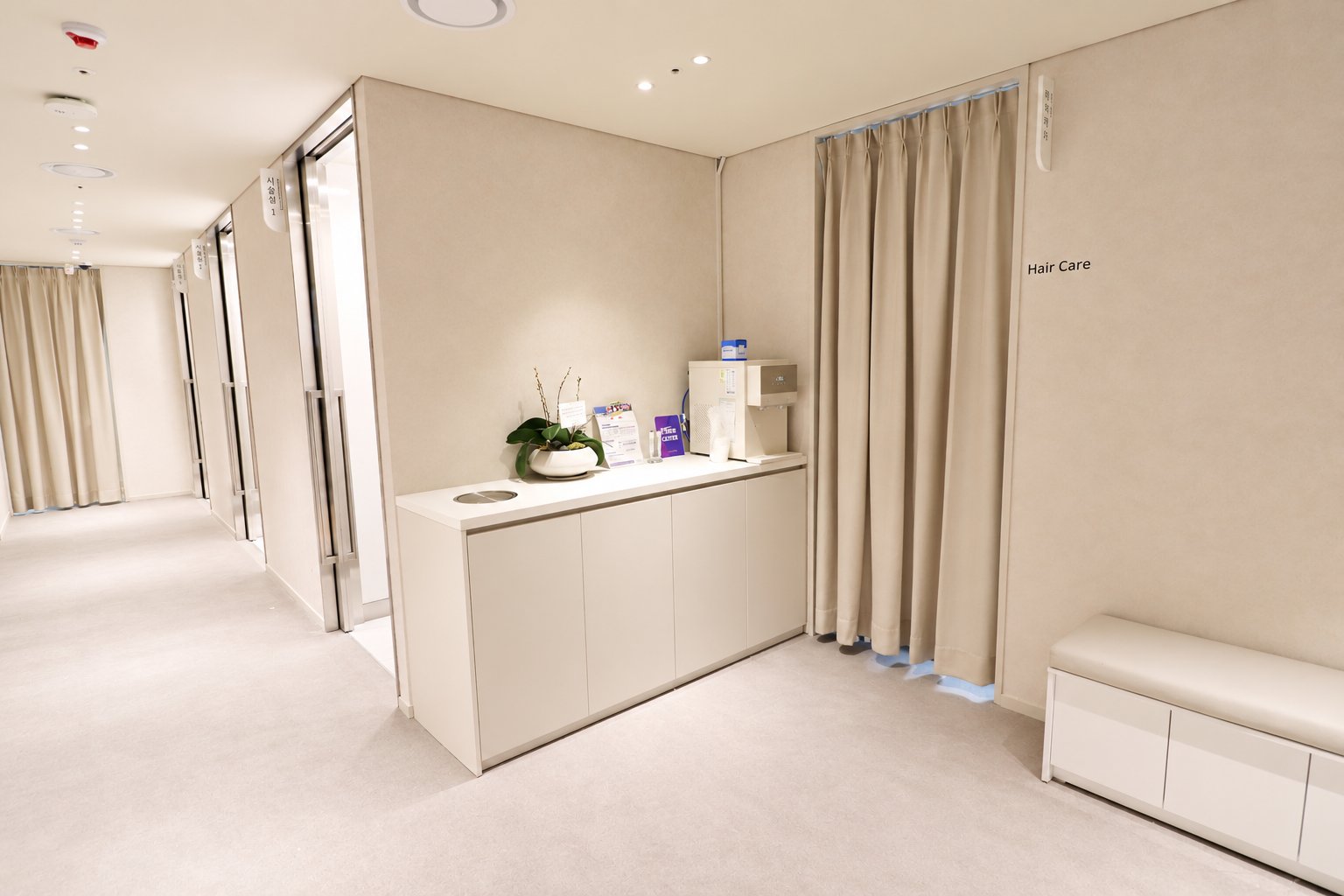
Planning a visit to plastic surgery clinics with board certified surgeons
Preparation helps make a consultation more focused. Think about the concern you want to discuss, your medical history, previous procedures, and any medications or supplements you take. Bring questions about credentials, the procedure, recovery, and follow-up. Verygood plastic surgery is located at 635 Nonhyeon-ro, Gangnam-gu, Seoul, Republic of Korea. A consultation is an opportunity to review your needs with the medical staff and understand whether a listed service is suitable for you.
Prepare your medical and treatment history
Before your appointment, write down relevant health conditions, allergies, medications, and previous surgeries or treatments. Include details about earlier plastic surgery, especially if you are considering revision rhinoplasty or revision eyelid surgery. If you have records from prior procedures, bring them when possible. Accurate history helps the medical staff consider safety and plan an appropriate assessment. Be prepared to explain what concerns you and what changes you hope to discuss.
It can help to organize your priorities into questions: what procedure is being considered, what alternatives exist, and how recovery may affect daily activities. Ask who will perform the operation and how you will receive follow-up care. If a recommendation includes multiple procedures, ask why each is proposed and whether they need to be considered together. Take notes so you can review the answers after the appointment. You do not need to make a decision immediately; understanding the plan comes first. Share your medical history openly and ask for clarification whenever a term or recommendation is unclear. Clear communication supports an informed discussion, but the final plan should follow an individual medical assessment.
A focused consultation starts with an accurate medical history and clear questions about the proposed care. Use the appointment to understand the recommendation, the surgeon’s role, and the recovery plan before deciding.
Discuss safety, recovery, and expectations
Ask what assessment is needed before the procedure, how recovery is expected to proceed, and what follow-up will involve. Discuss risks and limitations in relation to your health and the specific operation. If you have questions about the Safe Plastic Surgery System identified by Verygood plastic surgery, ask the medical staff to explain how it applies to the care being considered. A practical, individual explanation is more useful than a broad assurance.
Recovery planning should reflect the procedure and your personal circumstances. Ask what activities may need to be adjusted, what follow-up appointments are recommended, and how to contact the clinic if a concern arises. Make sure you understand which changes are expected during healing and which symptoms require prompt medical attention. Also discuss what results are realistic for your case; individual condition can affect both the recovery period and the changes that develop over time. A careful consultation should address uncertainty honestly and avoid guarantees. If something remains unclear, ask the attending doctor to explain it before you consent. These conversations help you plan practically and decide whether the proposed treatment aligns with your needs.
Confirm practical details before choosing
Before committing to surgery, confirm the recommended procedure, the role of the medical staff, the preparation instructions, and the follow-up plan. Ask how costs are determined for the specific procedure, since no price is stated here. Do not compare offers without checking that the planned treatment and care arrangements are equivalent. If you need clarification after the consultation, contact Verygood plastic surgery directly.
Verygood plastic surgery is at 635 Nonhyeon-ro, Gangnam-gu, Seoul, Republic of Korea, and can be reached at 02-596-9006. Prepare your questions and relevant medical history before contacting the clinic. If you are comparing plastic surgery clinics with board certified surgeons, verify each surgeon’s credentials and make sure you understand who will perform the procedure. Your decision should be based on a clear, individualized discussion rather than a general claim or a procedure name alone.





Frequently Asked Questions
Q.What kind of clinic is Verygood plastic surgery?
A.Verygood plastic surgery is a plastic surgery clinic offering services that include nasal surgery, eyelid procedures, facial contouring, and fat grafting. The clinic identifies a Safe Plastic Surgery System as a core feature.
Q.Who may consider a consultation at Verygood plastic surgery?
A.People considering one of the clinic’s listed plastic surgery procedures may arrange a consultation to discuss their goals and medical history. The medical staff can assess whether a procedure is appropriate for an individual.
Q.What procedures does Verygood plastic surgery offer?
A.Listed services include augmentation rhinoplasty with tip plasty, revision rhinoplasty, eyelid procedures, cheekbone reduction, ACCU sculpt, and fat grafting. The appropriate procedure depends on an individual assessment.
Q.What should I prepare before a consultation?
A.Prepare a record of relevant health conditions, medications, allergies, and previous procedures, along with questions about the proposed treatment, recovery, and follow-up. Ask for an explanation of any recommendation you do not understand.
Q.Where is Verygood plastic surgery, and how can I contact it?
A.Verygood plastic surgery is at 635 Nonhyeon-ro, Gangnam-gu, Seoul, Republic of Korea. Call 02-596-9006 to contact the clinic.
 Verygood plastic surgery